🚚 Free Worldwide Shipping on All Orders!Shop Now

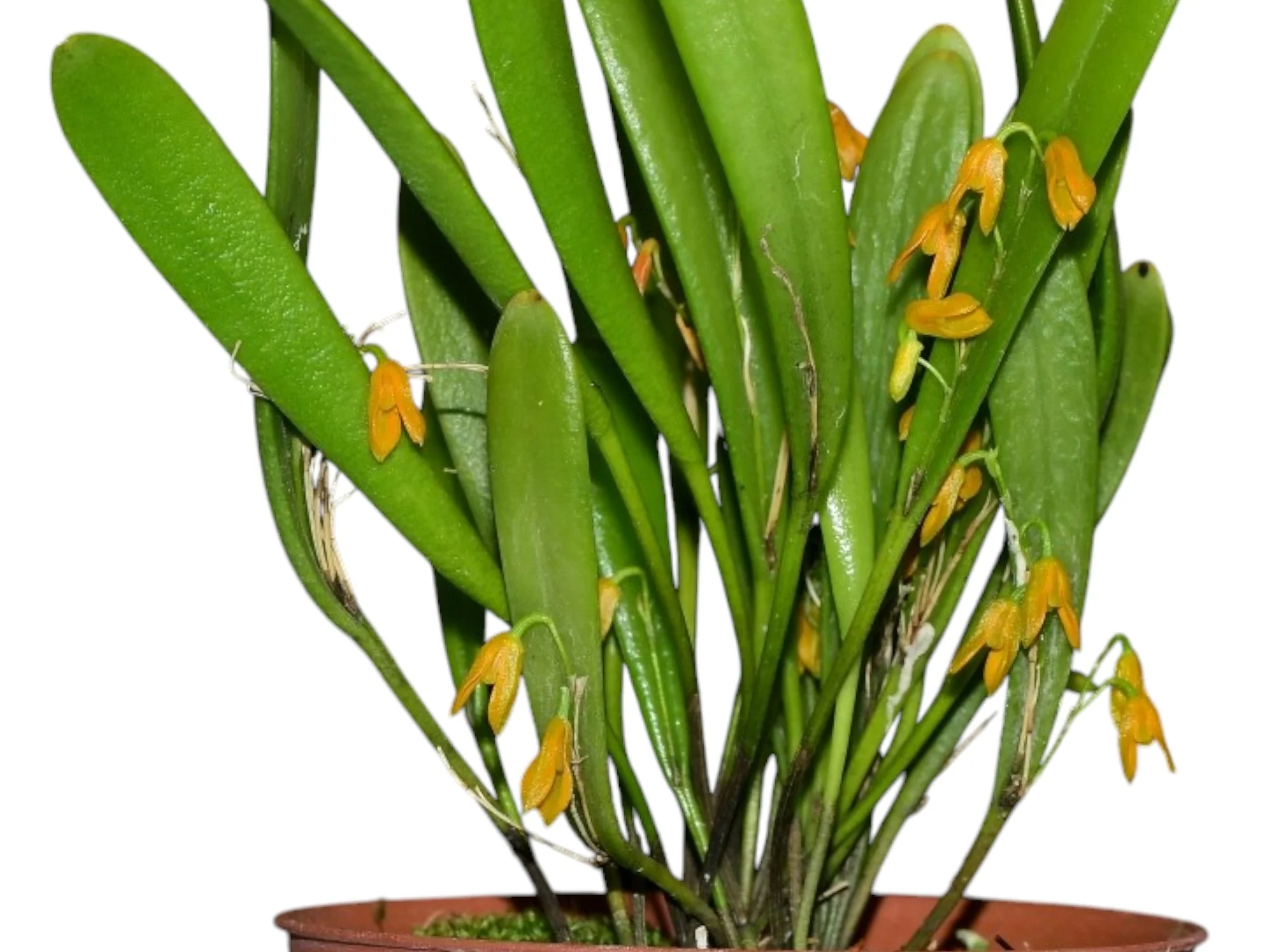
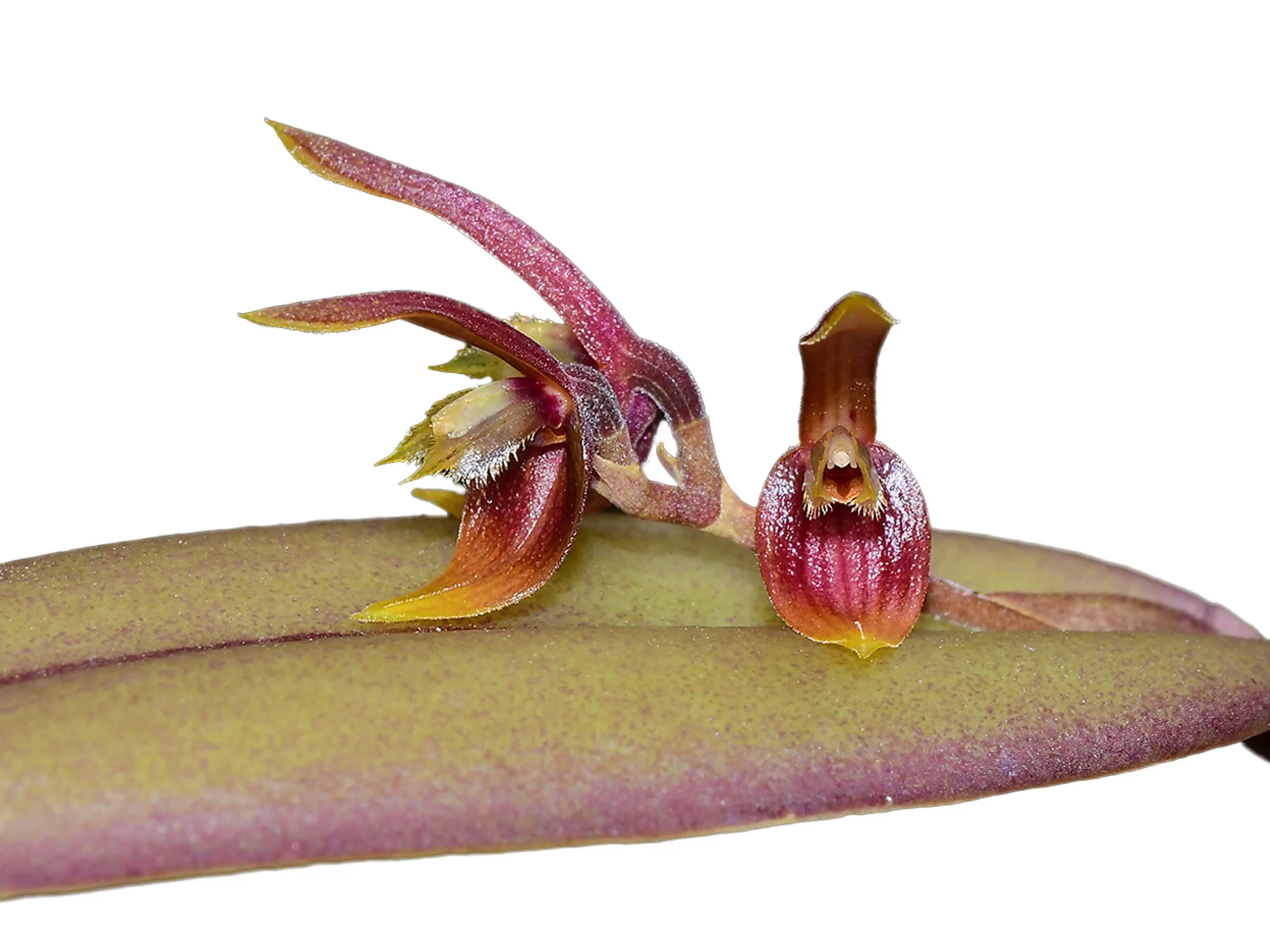
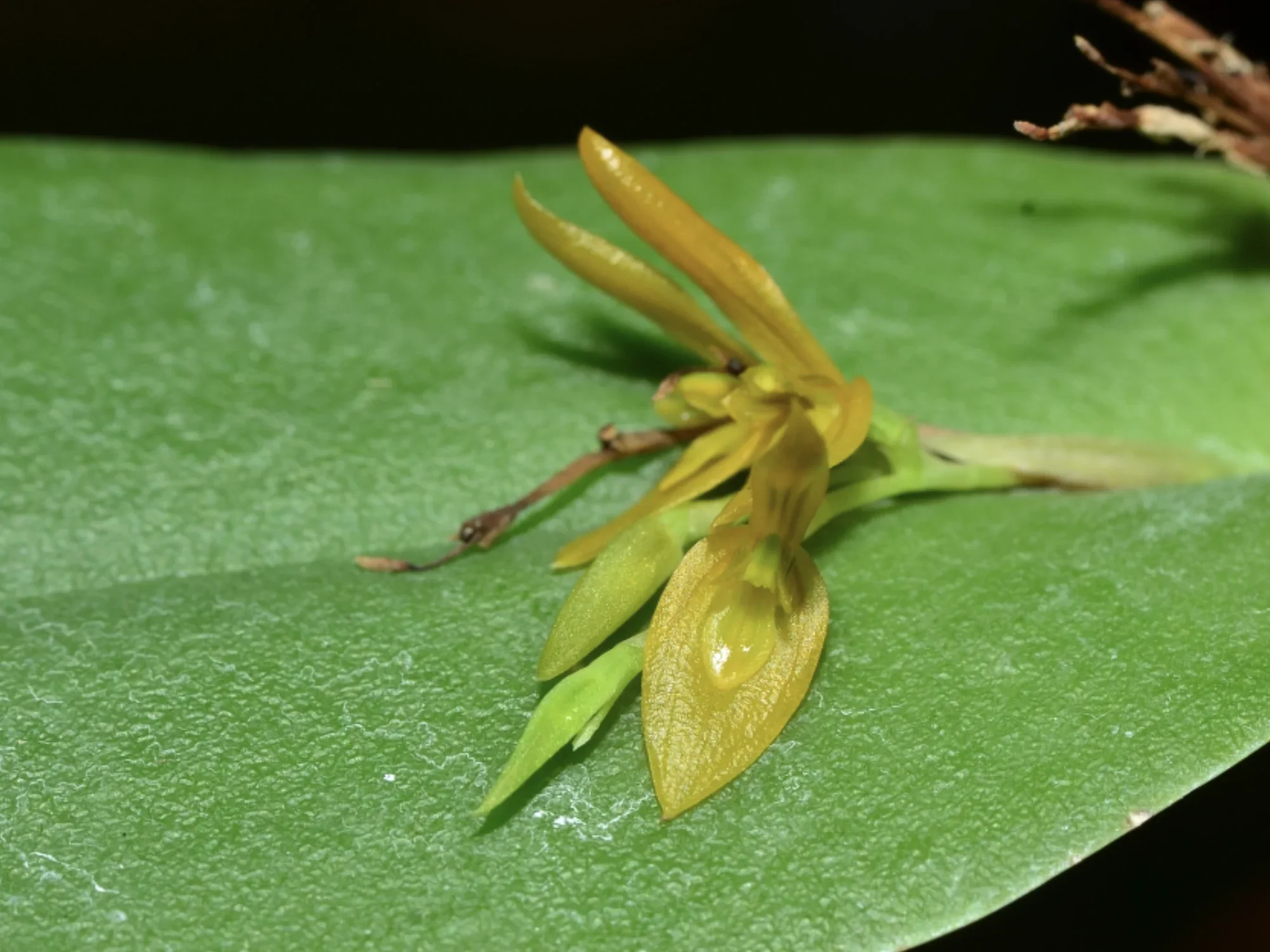
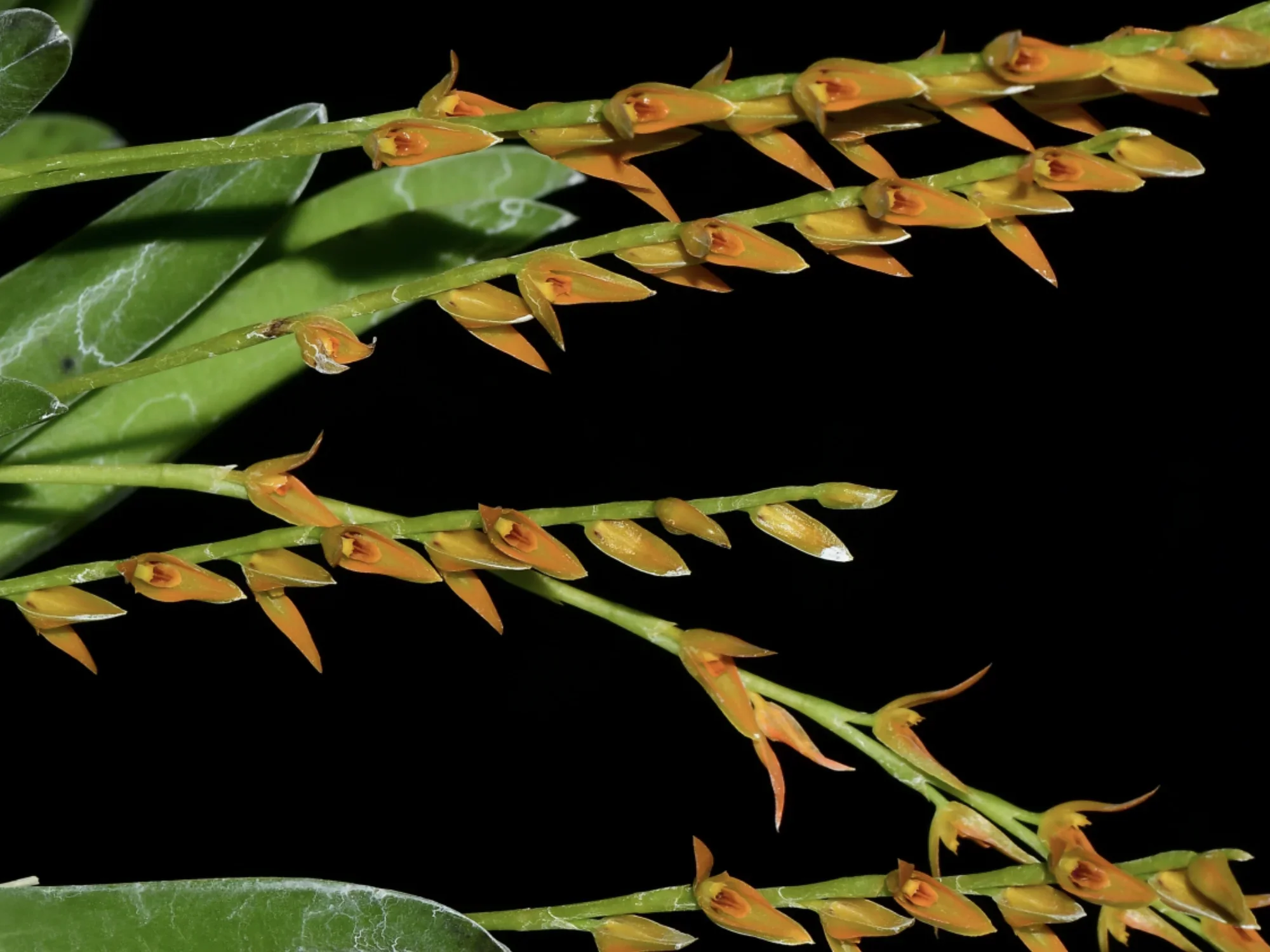
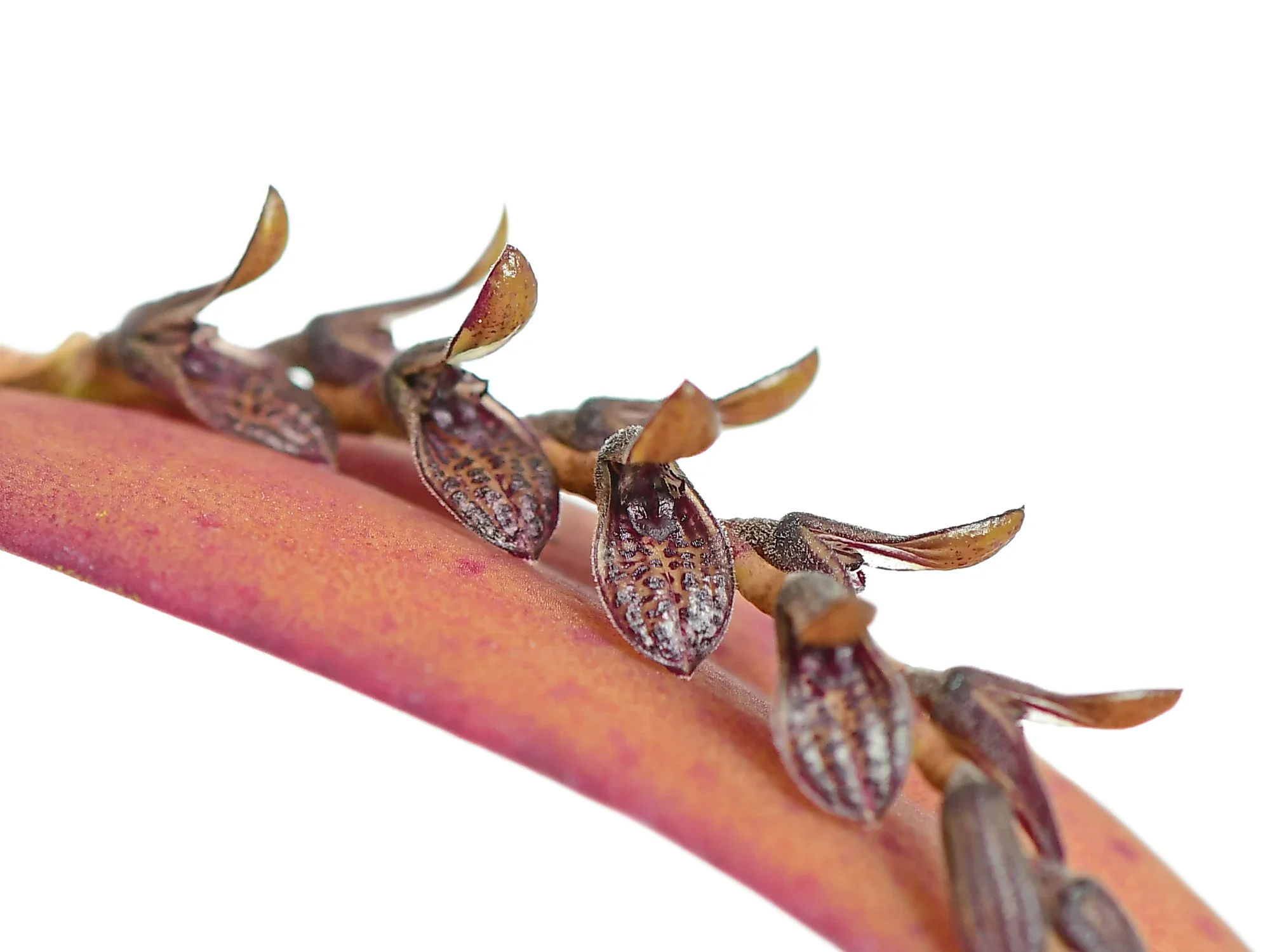
Acianthera pardipes
Acianthera pardipes Culture:
Successful cultivation of Acianthera pardipes requires attention to the following aspects:
- Light: Prefers shaded to semi-shaded conditions. Avoid direct sunlight.
- Temperature: Intermediate to cool growing. Aim for daytime temperatures around 18-24°C (64-75°F) and slightly cooler nighttime temperatures between 12-18°C (54-64°F).
- Humidity: Requires high humidity levels, ideally between 70-80%.
- Watering: Keep the substrate consistently moist, but avoid overwatering which can lead to root rot. Ensure the potting mix is well-draining. Allow the substrate to approach dryness between waterings.
- Substrate: Prefers a fine, well-draining substrate such as fine bark mix, sphagnum moss, or a mix designed for small epiphytes. It can also be grown mounted on cork or tree fern.
Additional Notes:
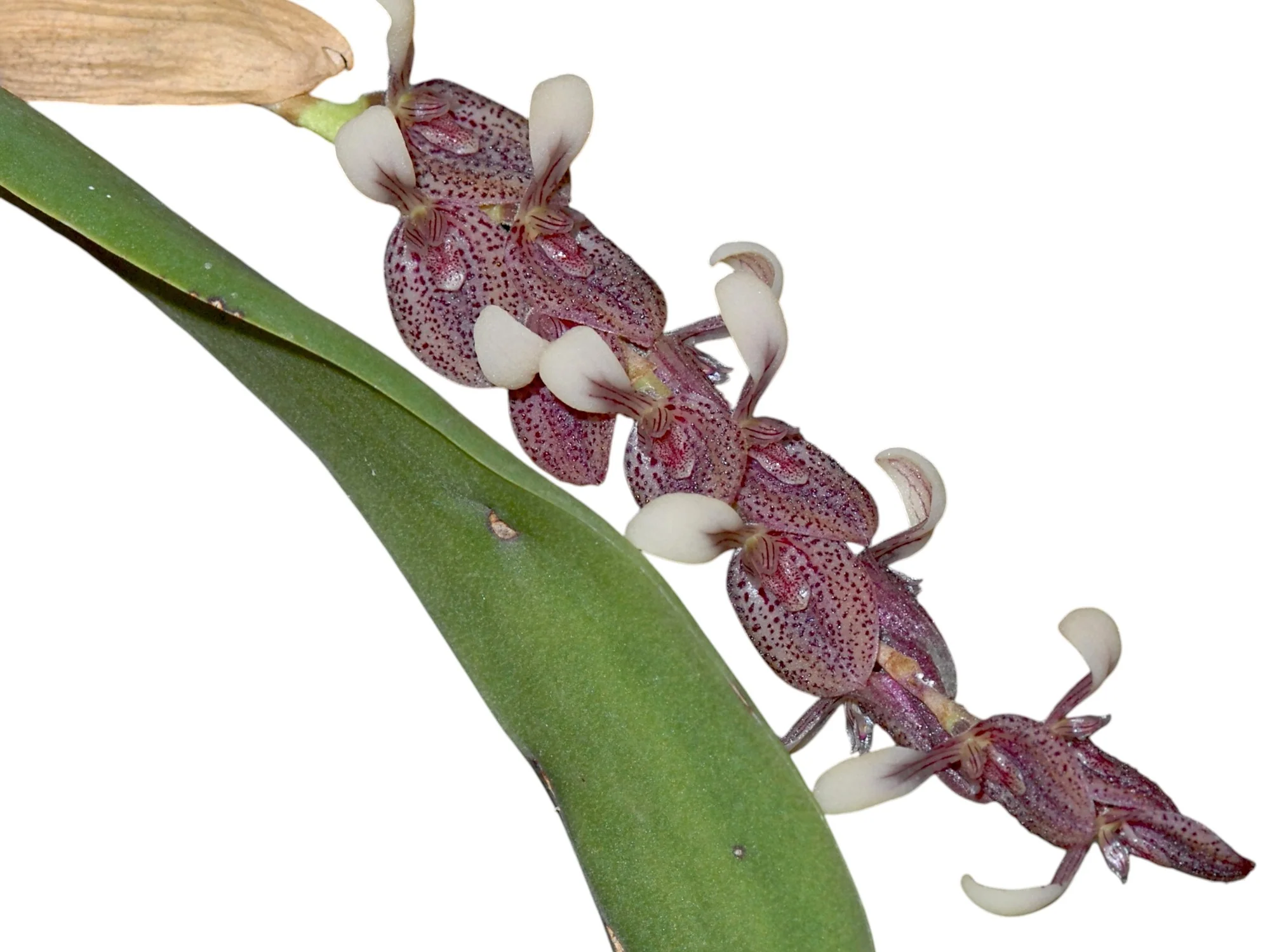
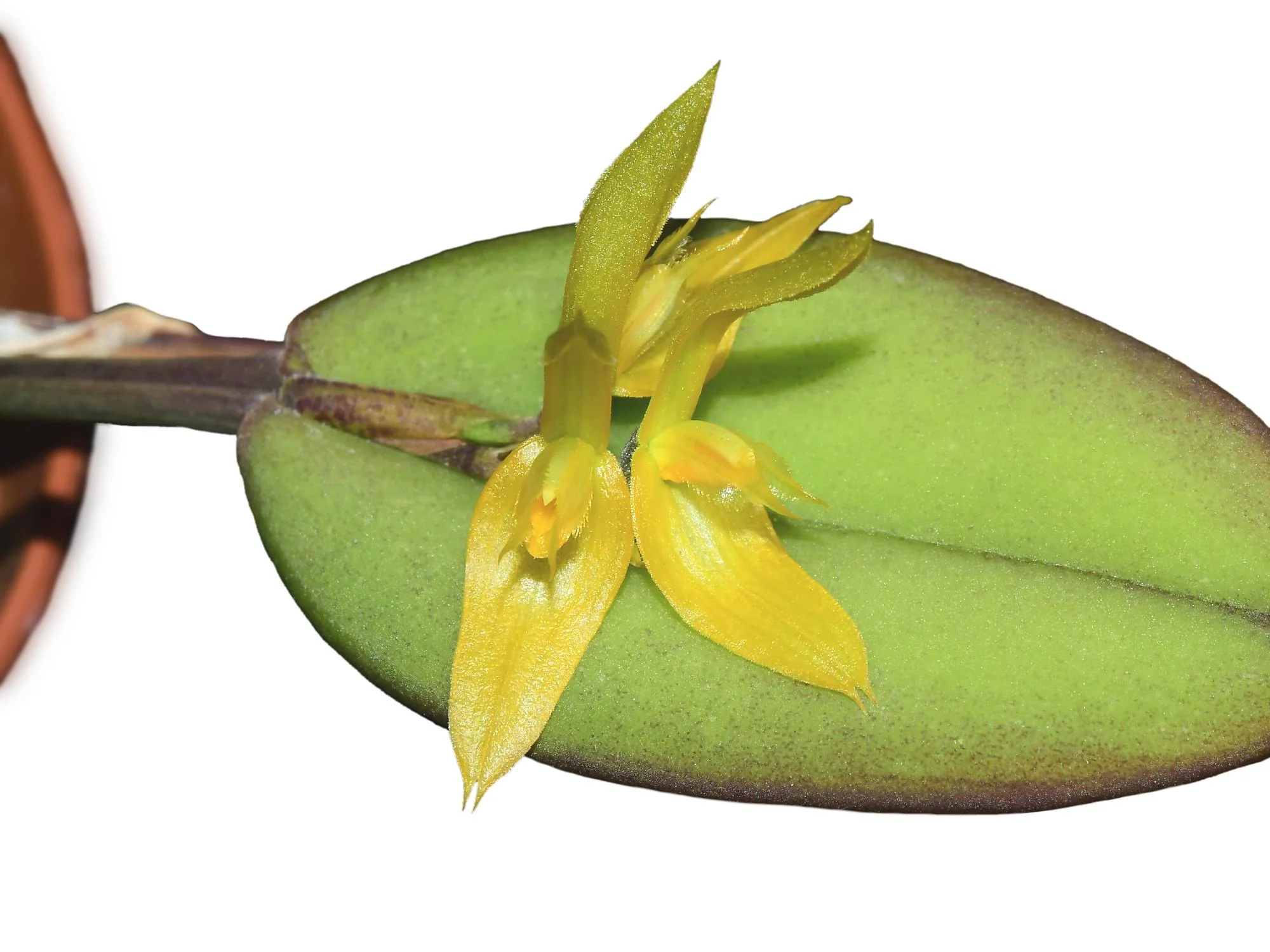
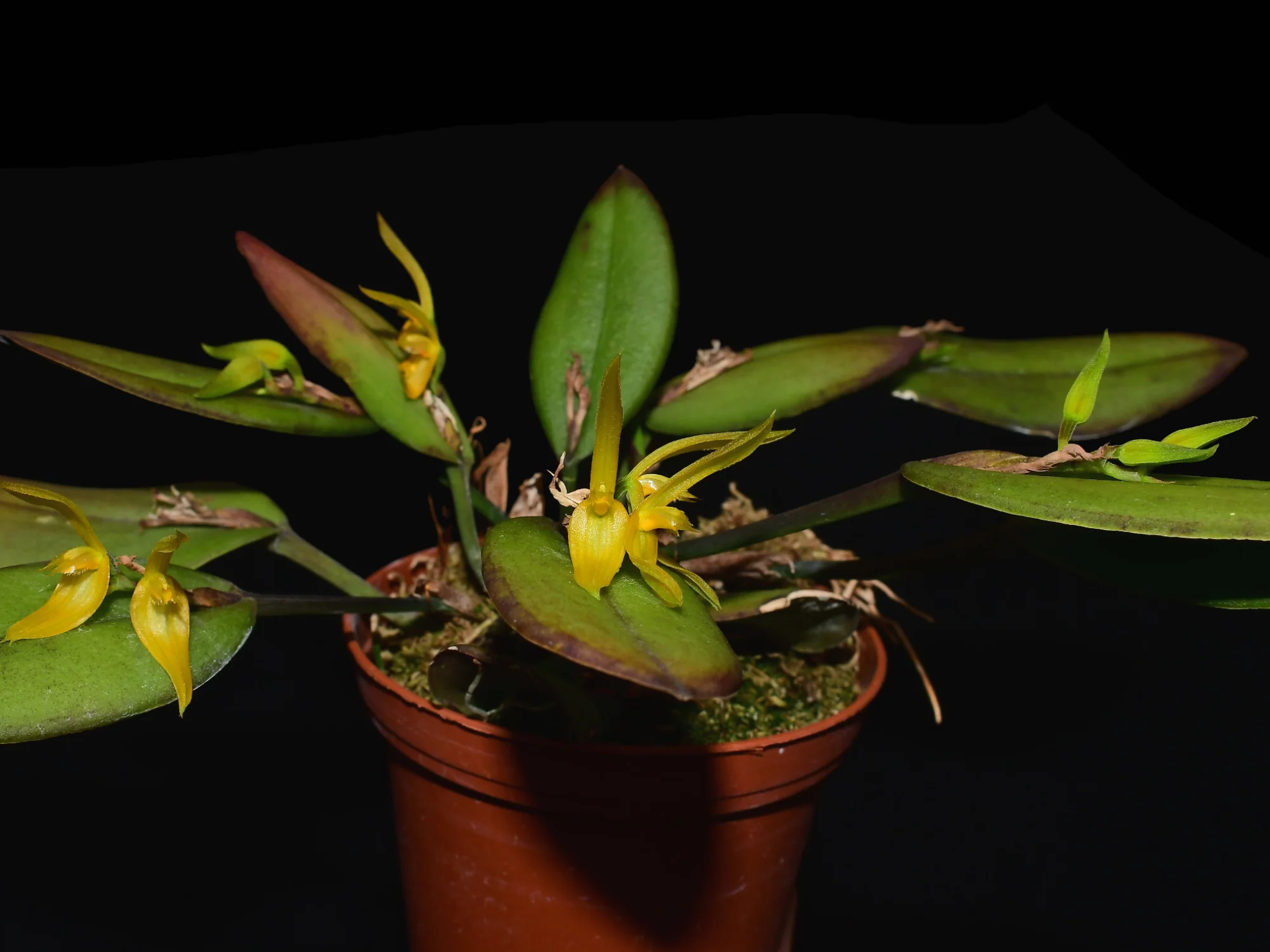
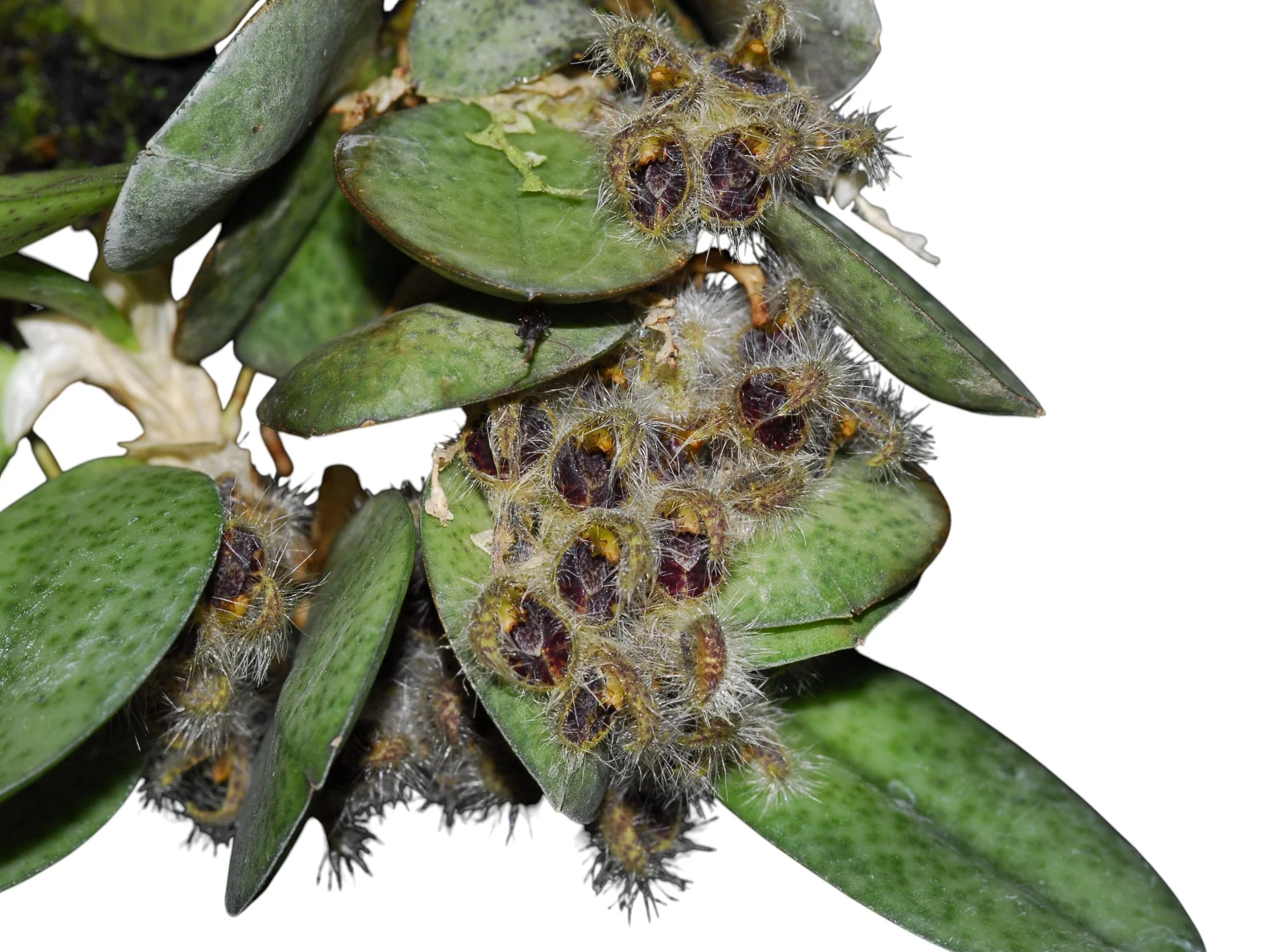
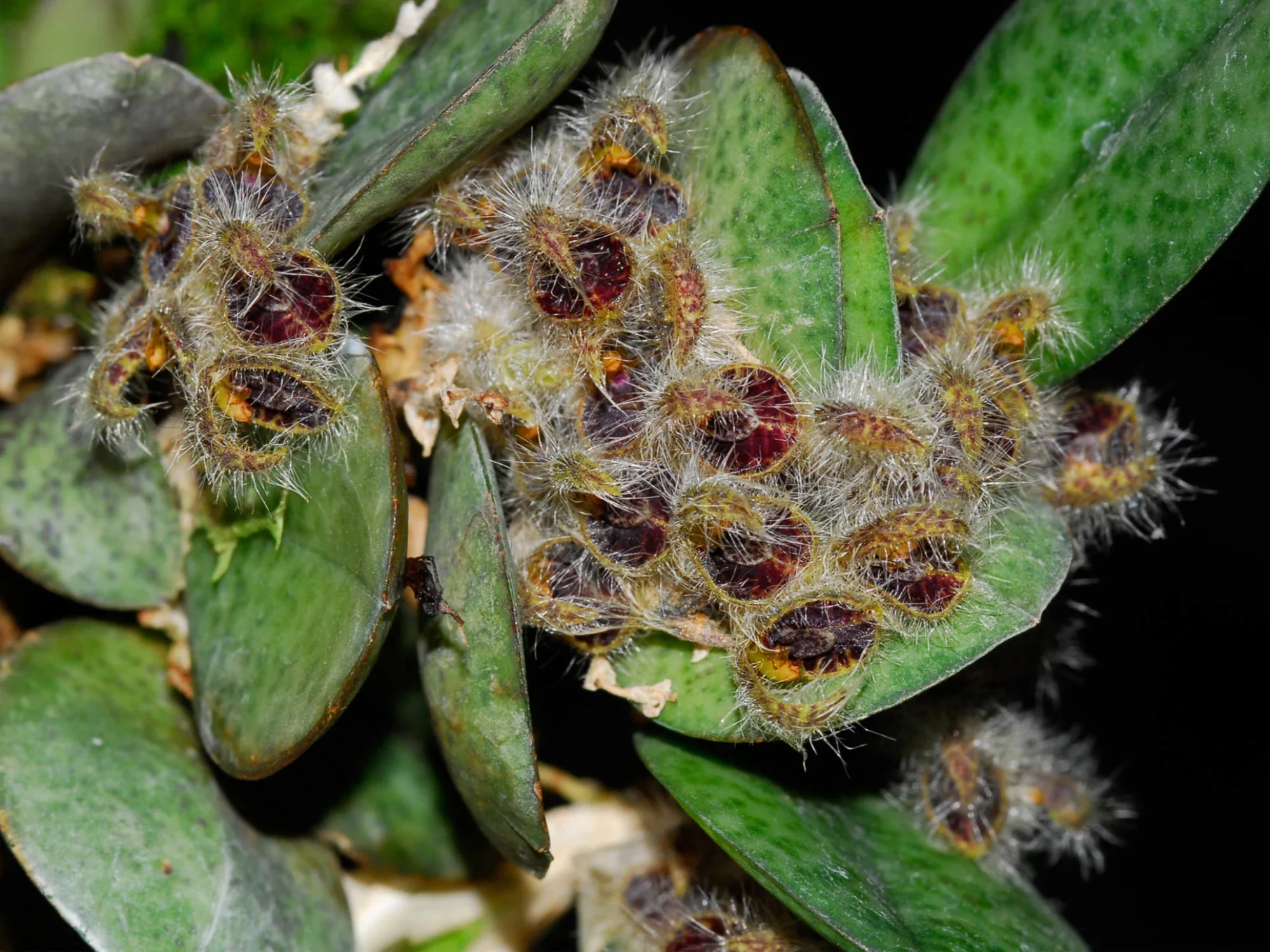
- It carries a single, apical, erect, coriaceous (leathery), oblong leaf that is bidentate (two-toothed) at the apex.
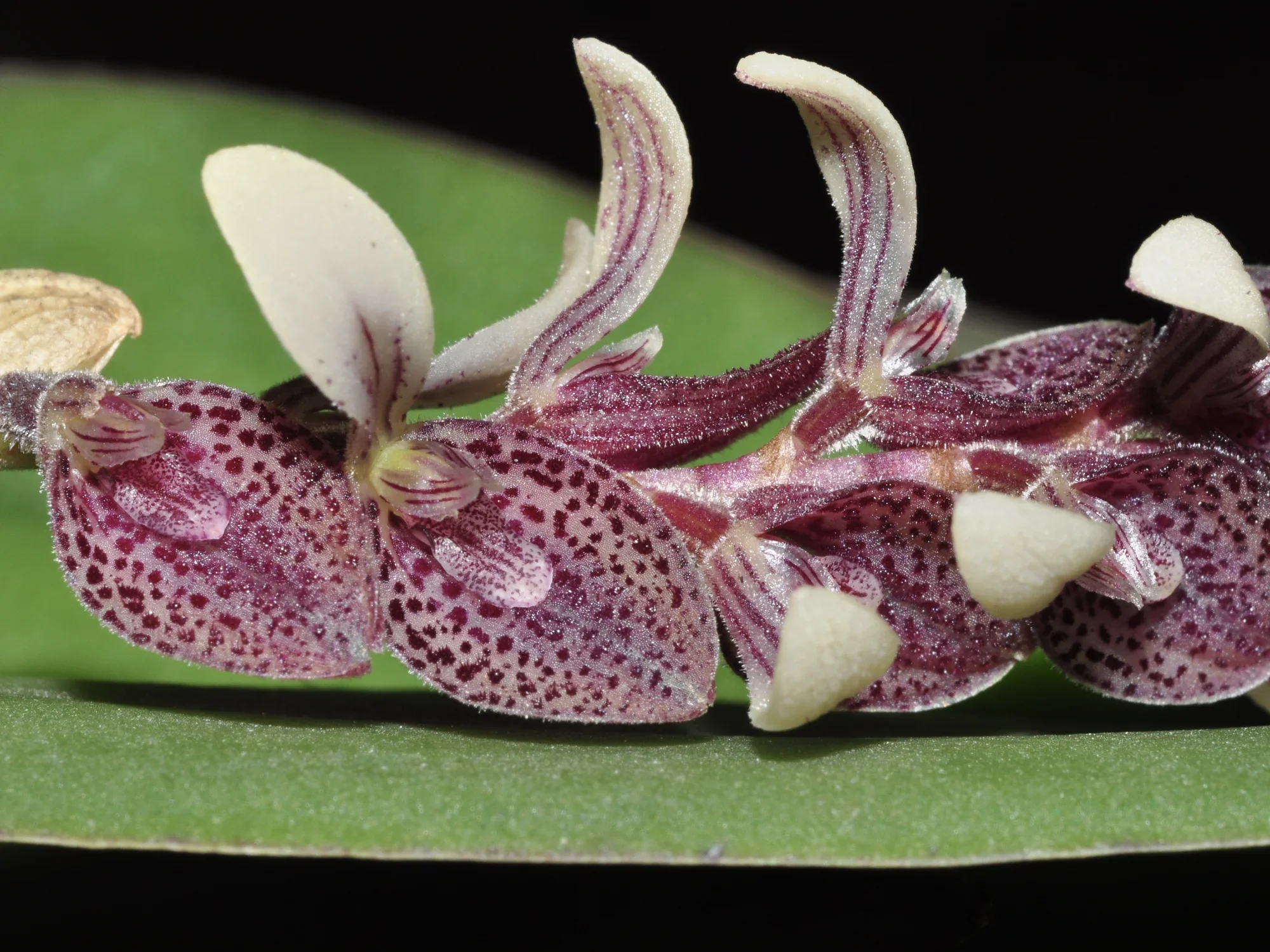
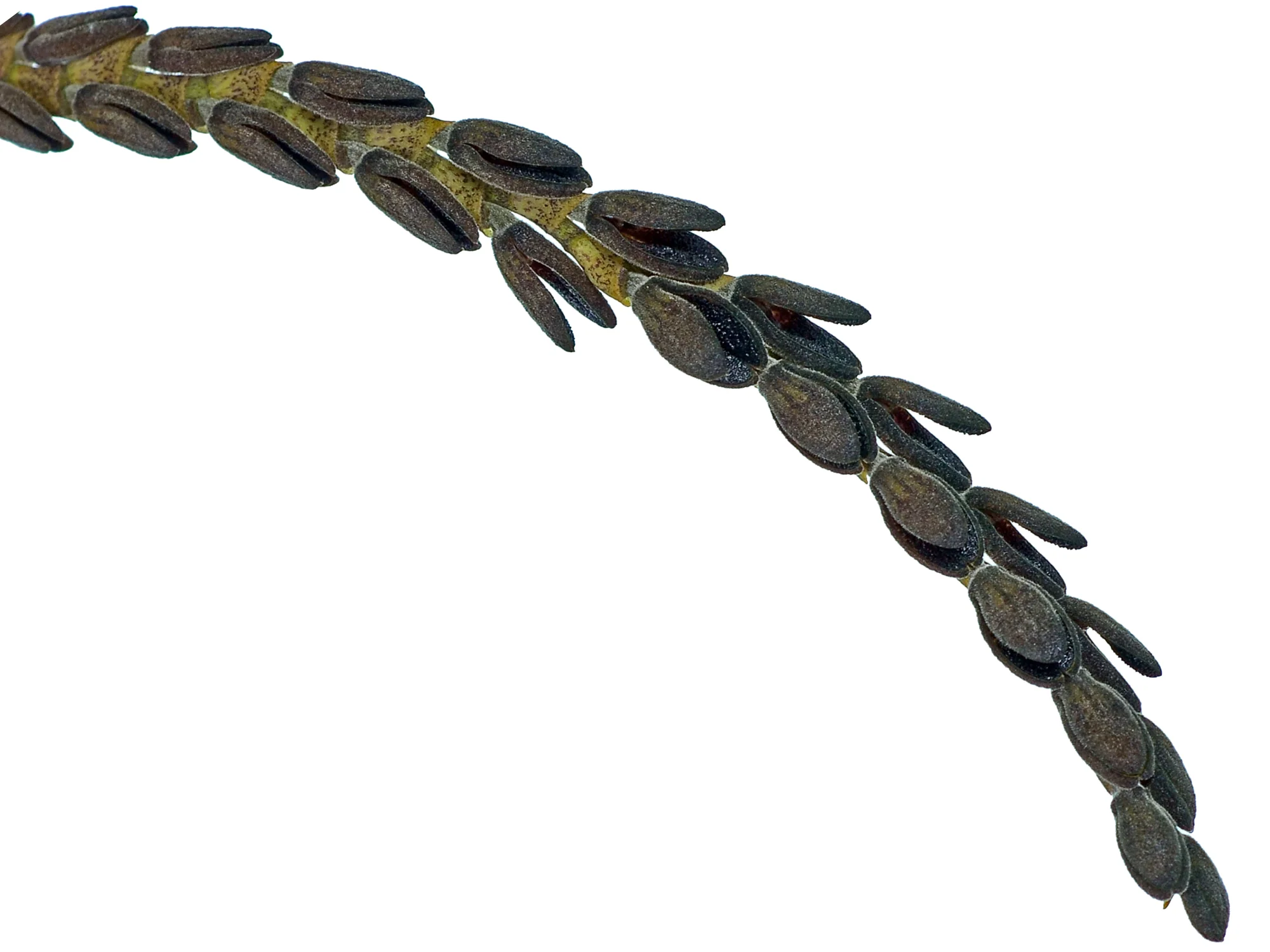
- The inflorescence is shorter than the leaf and bears a few small flowers. The flowers are noted for their interesting structure.
$19.00
Acianthera pardipes—
$19.00
Product Information
Product Information
Shipping & Returns
Shipping & Returns
Description
Acianthera pardipes Culture:
Successful cultivation of Acianthera pardipes requires attention to the following aspects:
- Light: Prefers shaded to semi-shaded conditions. Avoid direct sunlight.
- Temperature: Intermediate to cool growing. Aim for daytime temperatures around 18-24°C (64-75°F) and slightly cooler nighttime temperatures between 12-18°C (54-64°F).
- Humidity: Requires high humidity levels, ideally between 70-80%.
- Watering: Keep the substrate consistently moist, but avoid overwatering which can lead to root rot. Ensure the potting mix is well-draining. Allow the substrate to approach dryness between waterings.
- Substrate: Prefers a fine, well-draining substrate such as fine bark mix, sphagnum moss, or a mix designed for small epiphytes. It can also be grown mounted on cork or tree fern.
Additional Notes:
- It carries a single, apical, erect, coriaceous (leathery), oblong leaf that is bidentate (two-toothed) at the apex.
- The inflorescence is shorter than the leaf and bears a few small flowers. The flowers are noted for their interesting structure.