🚚 Free Worldwide Shipping on All Orders!Shop Now


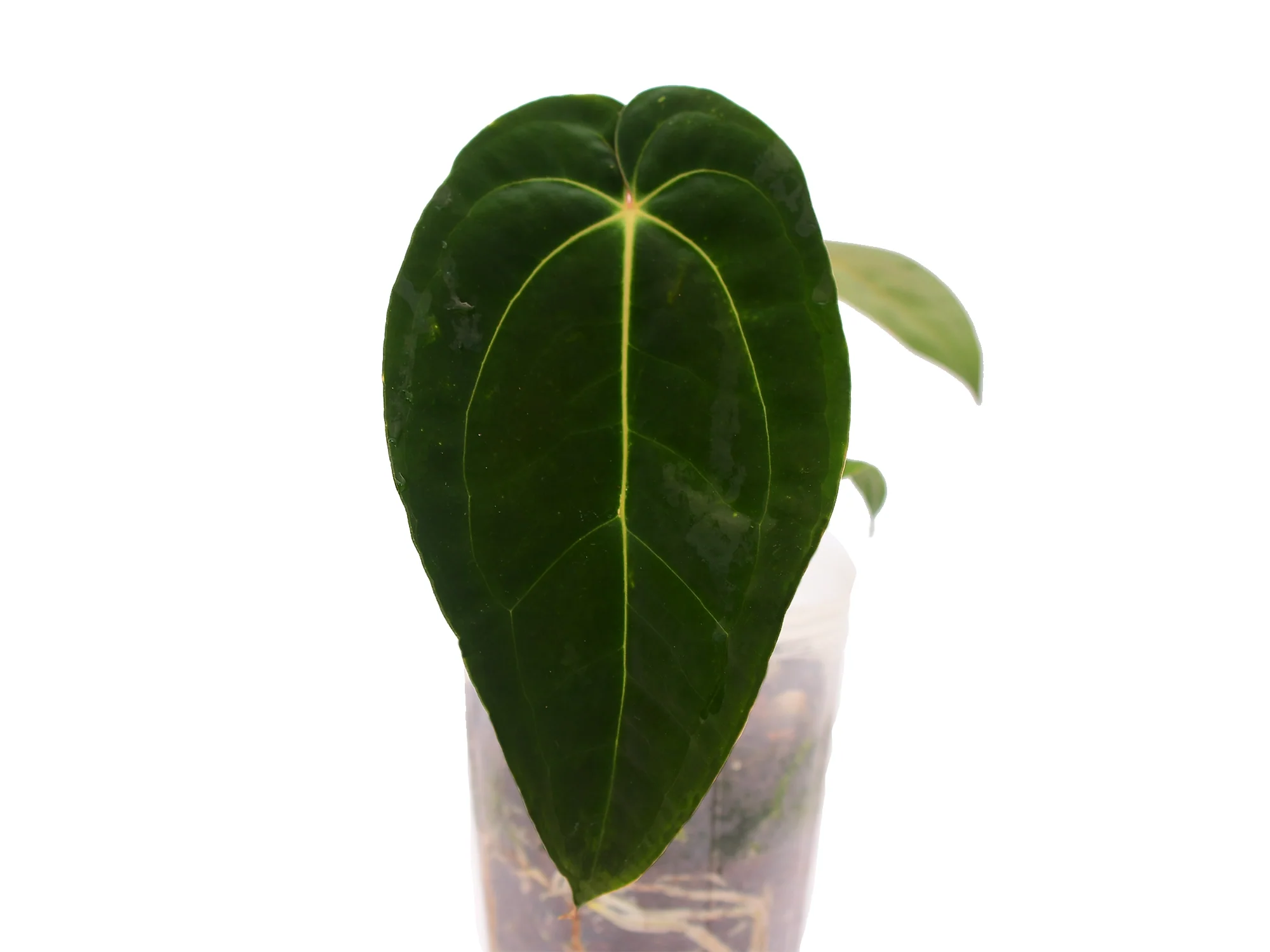
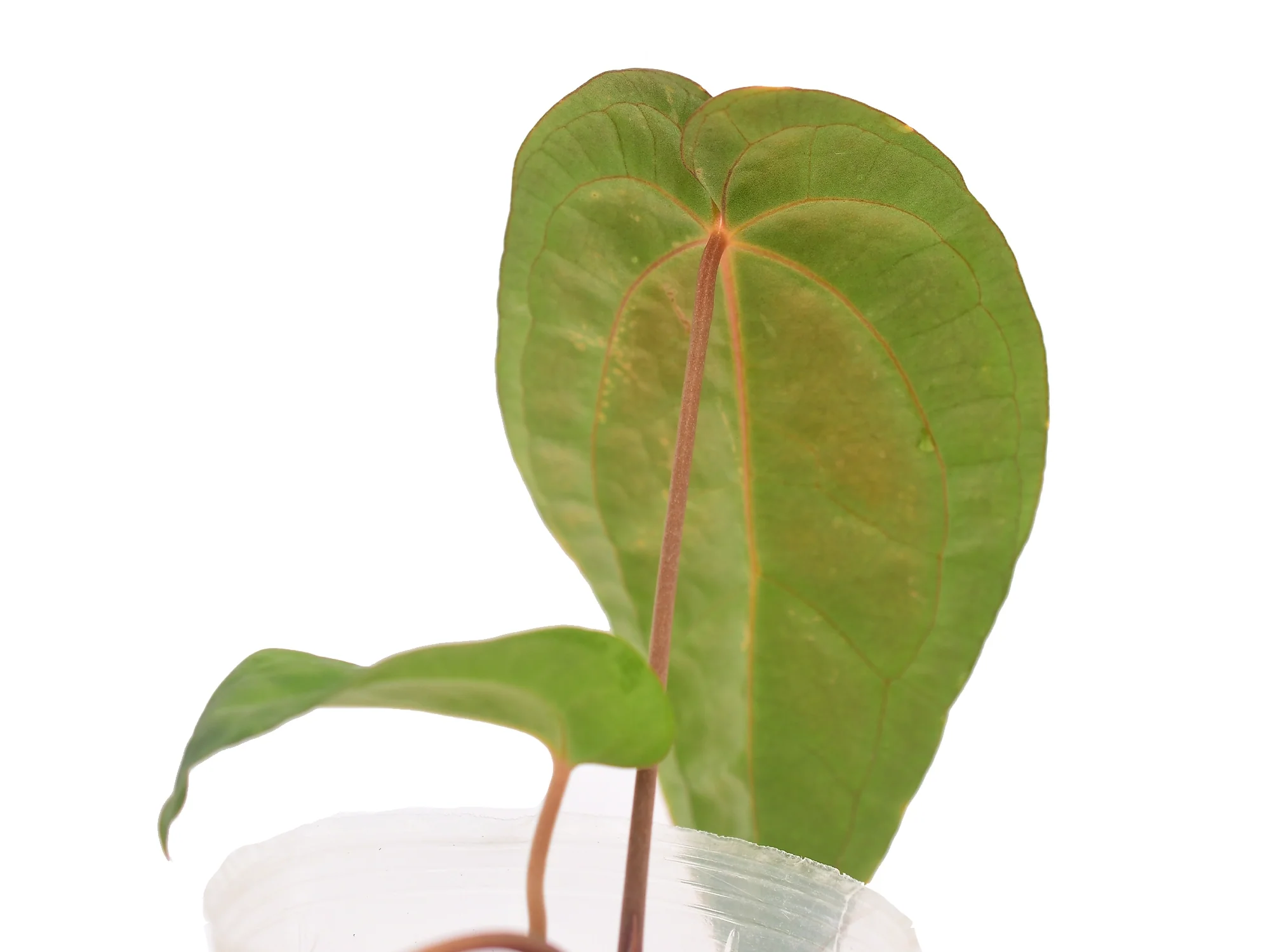
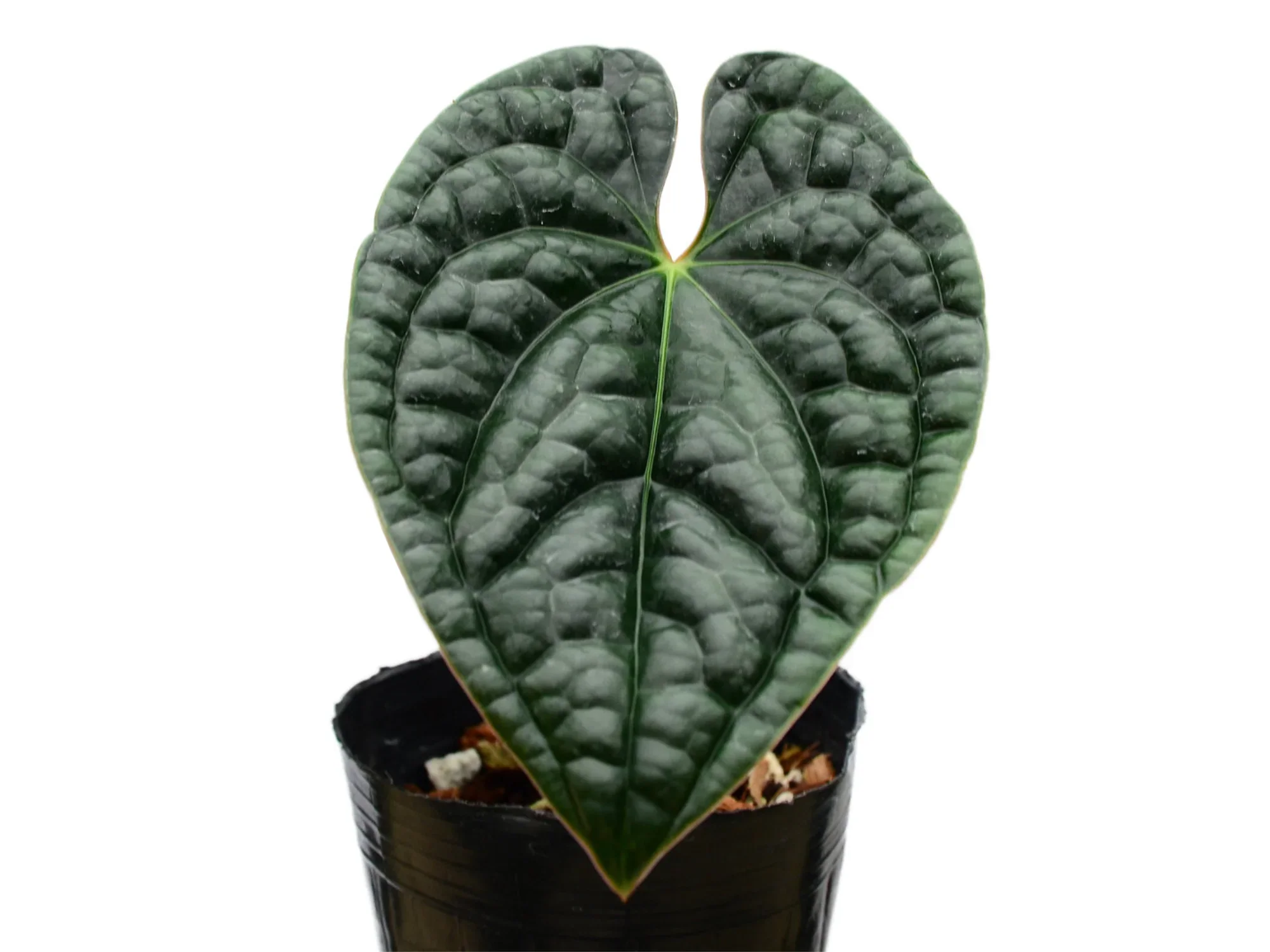
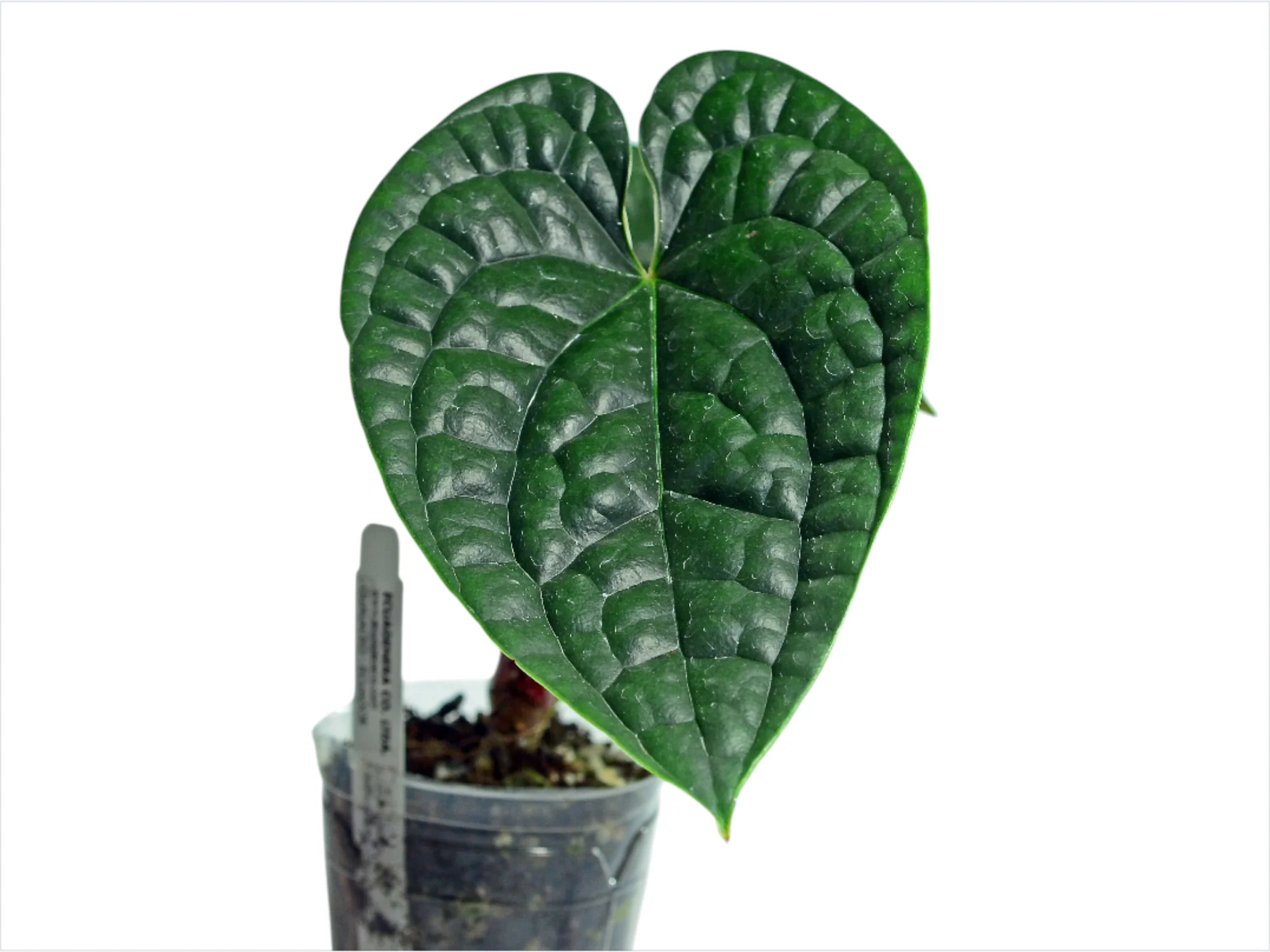
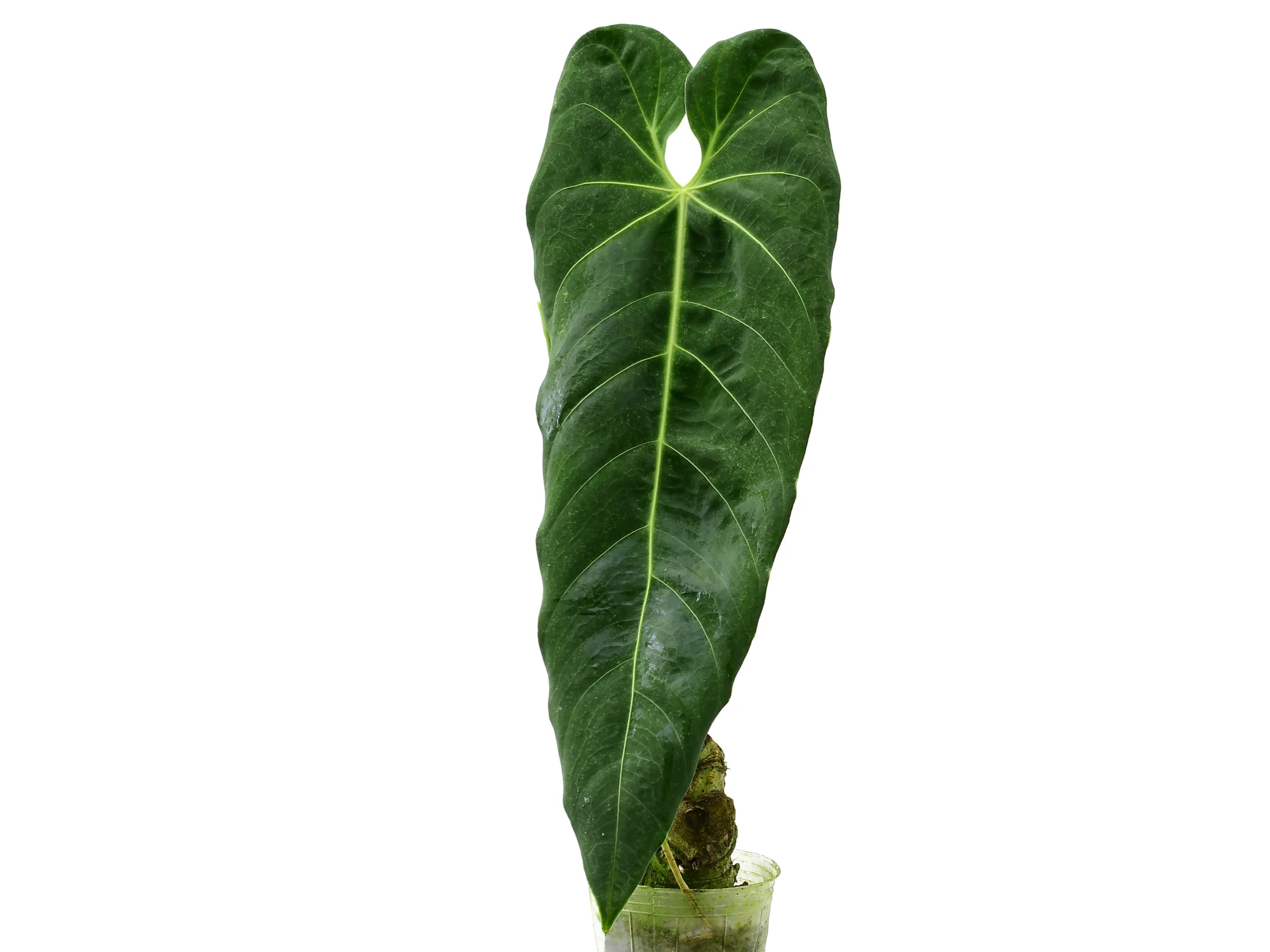
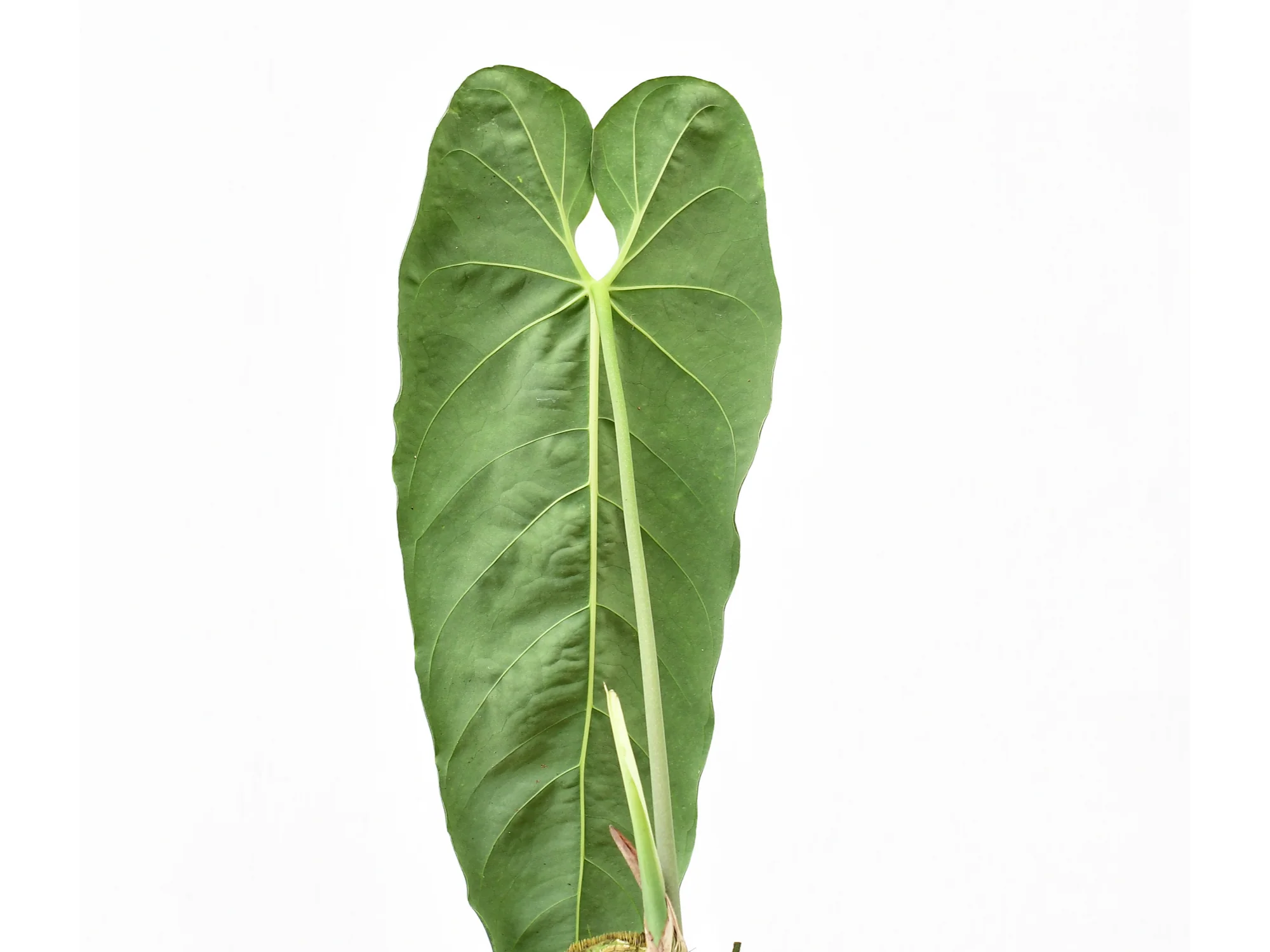
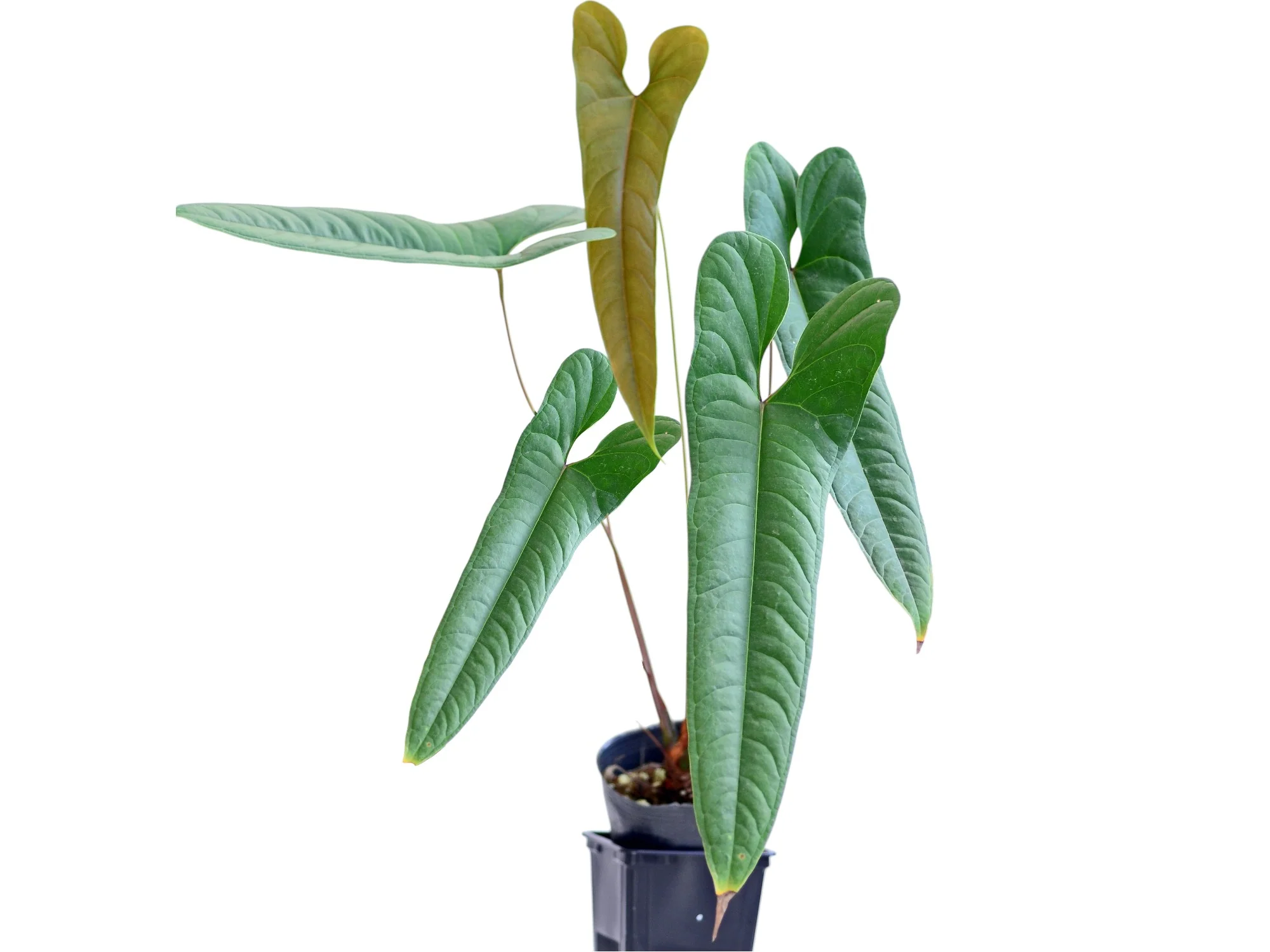
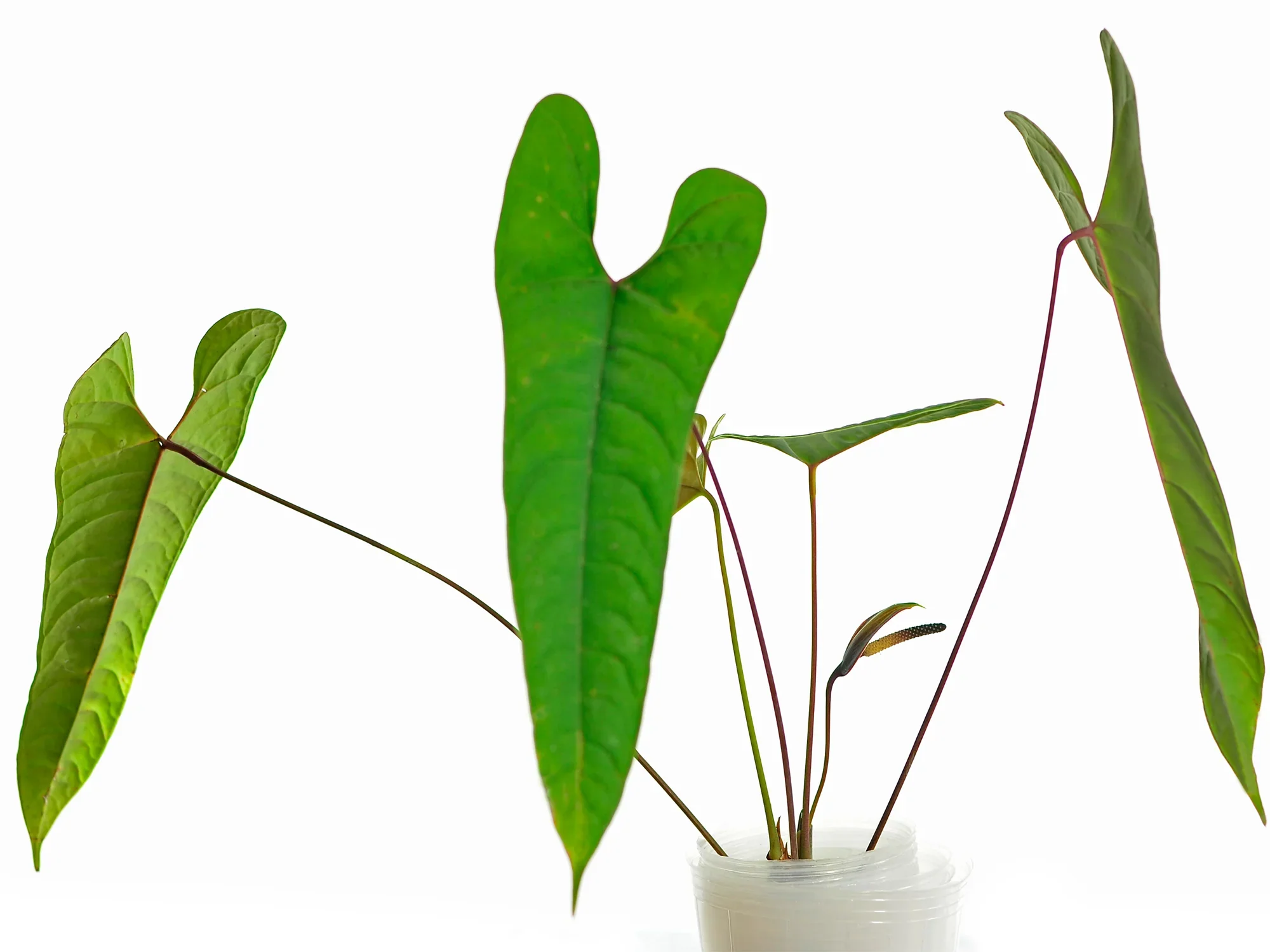
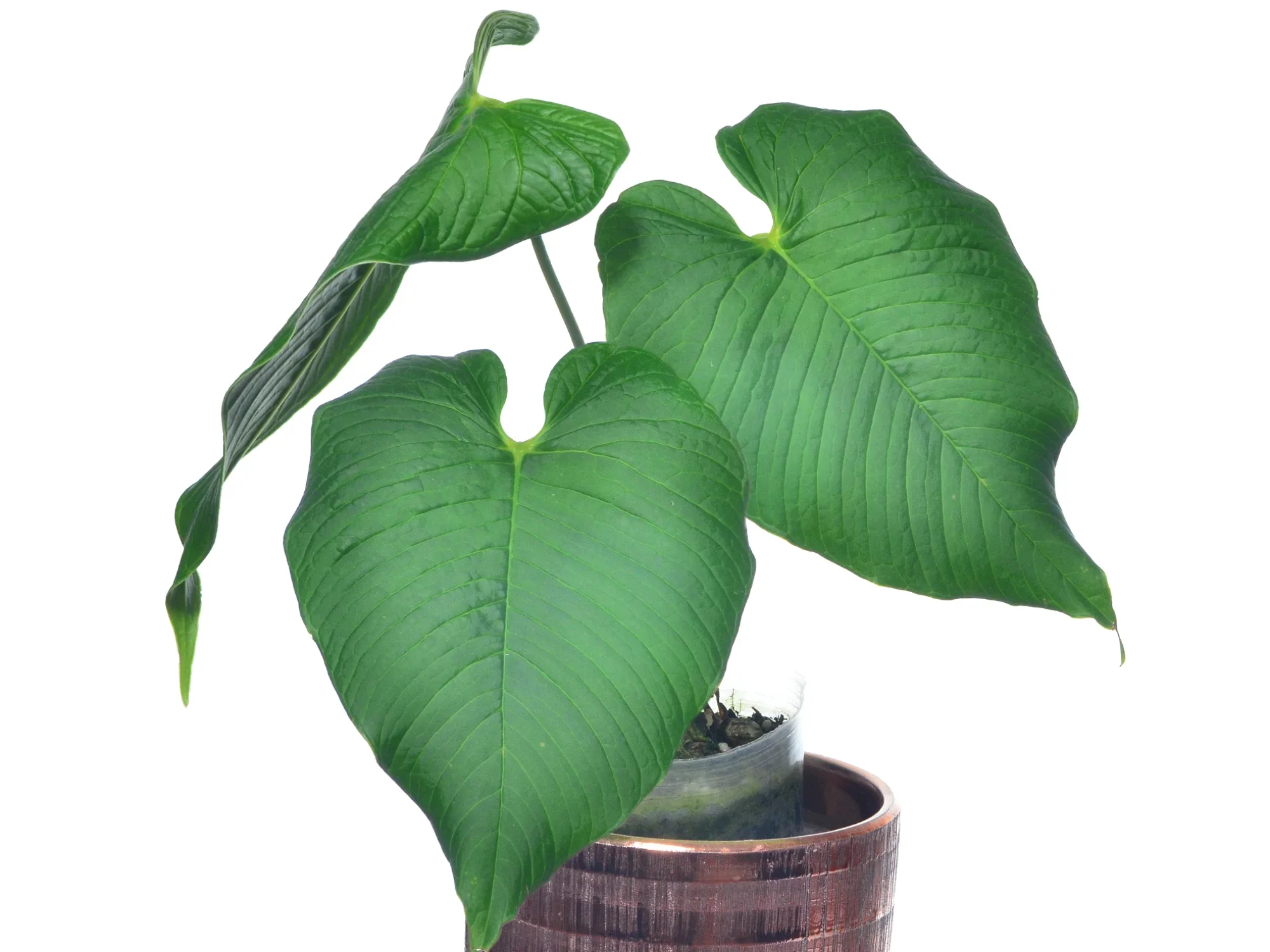
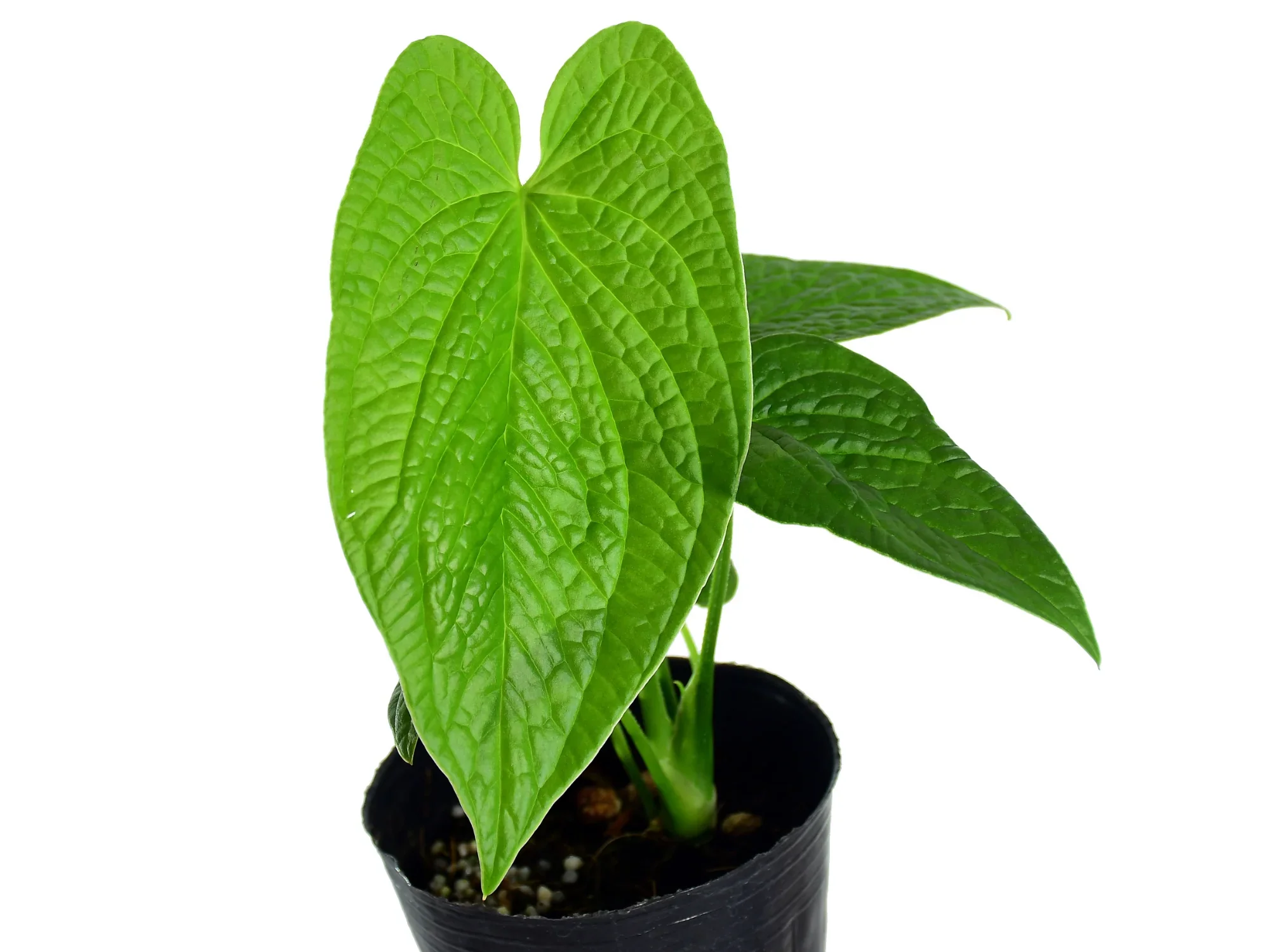
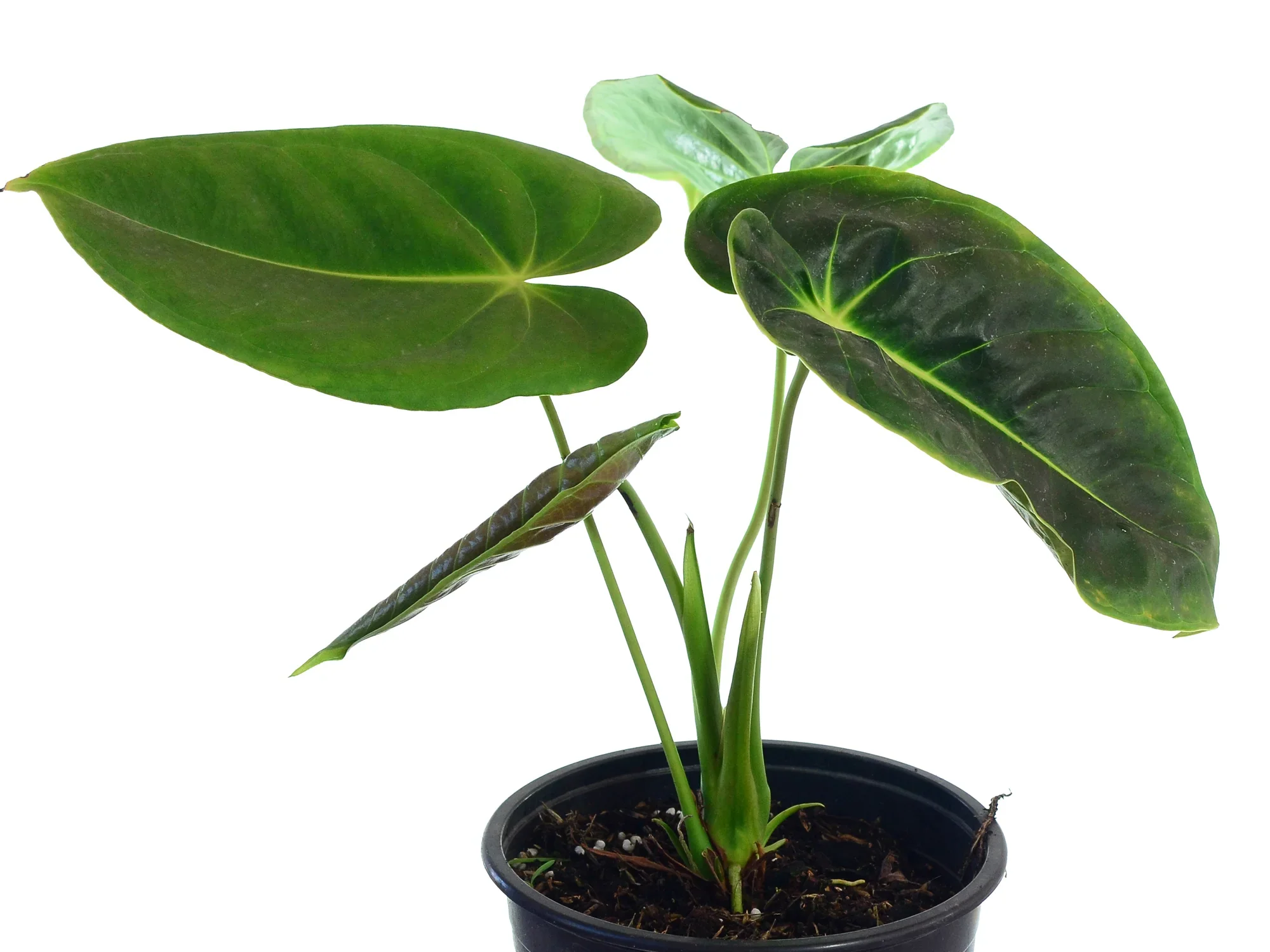
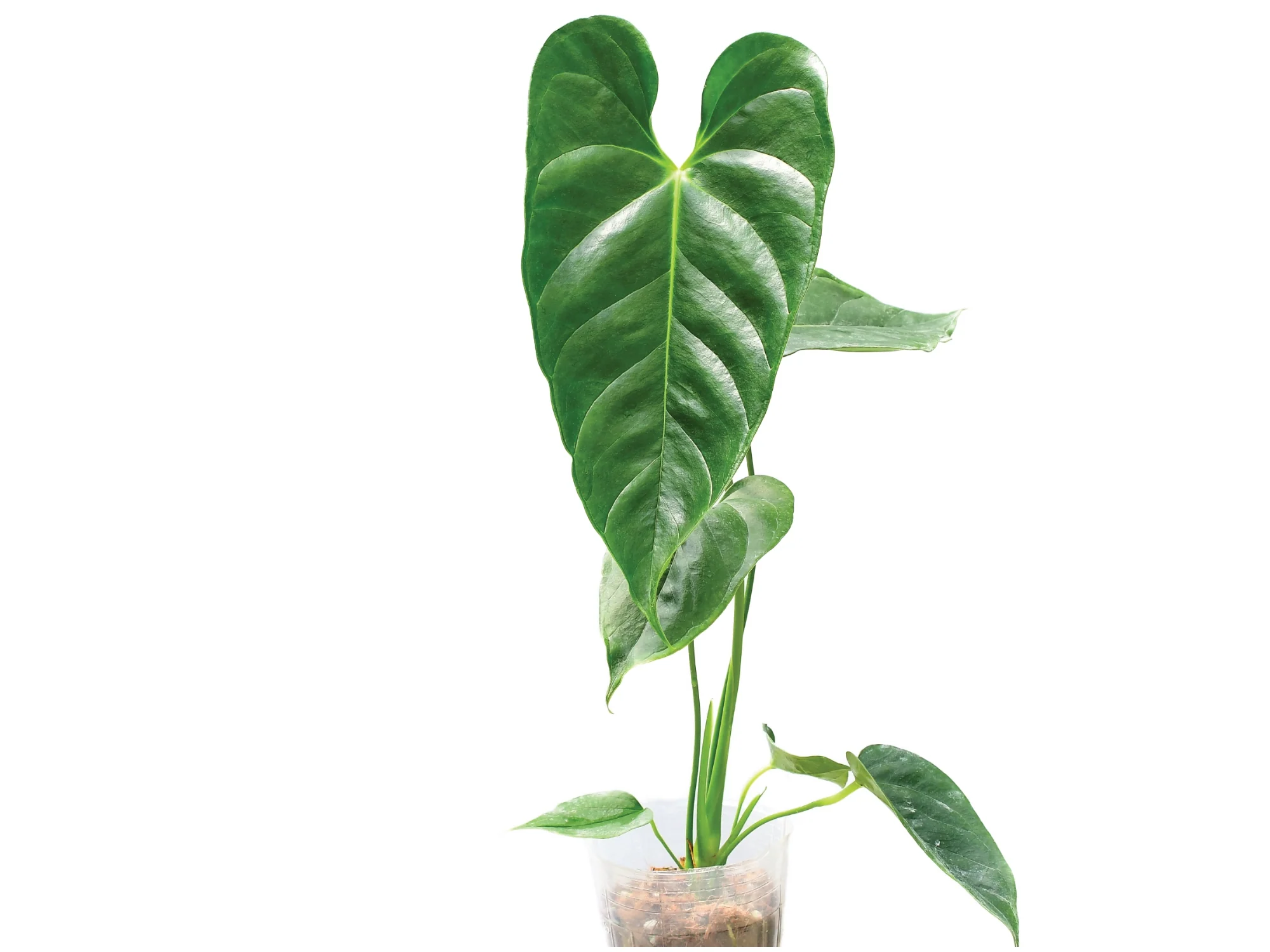
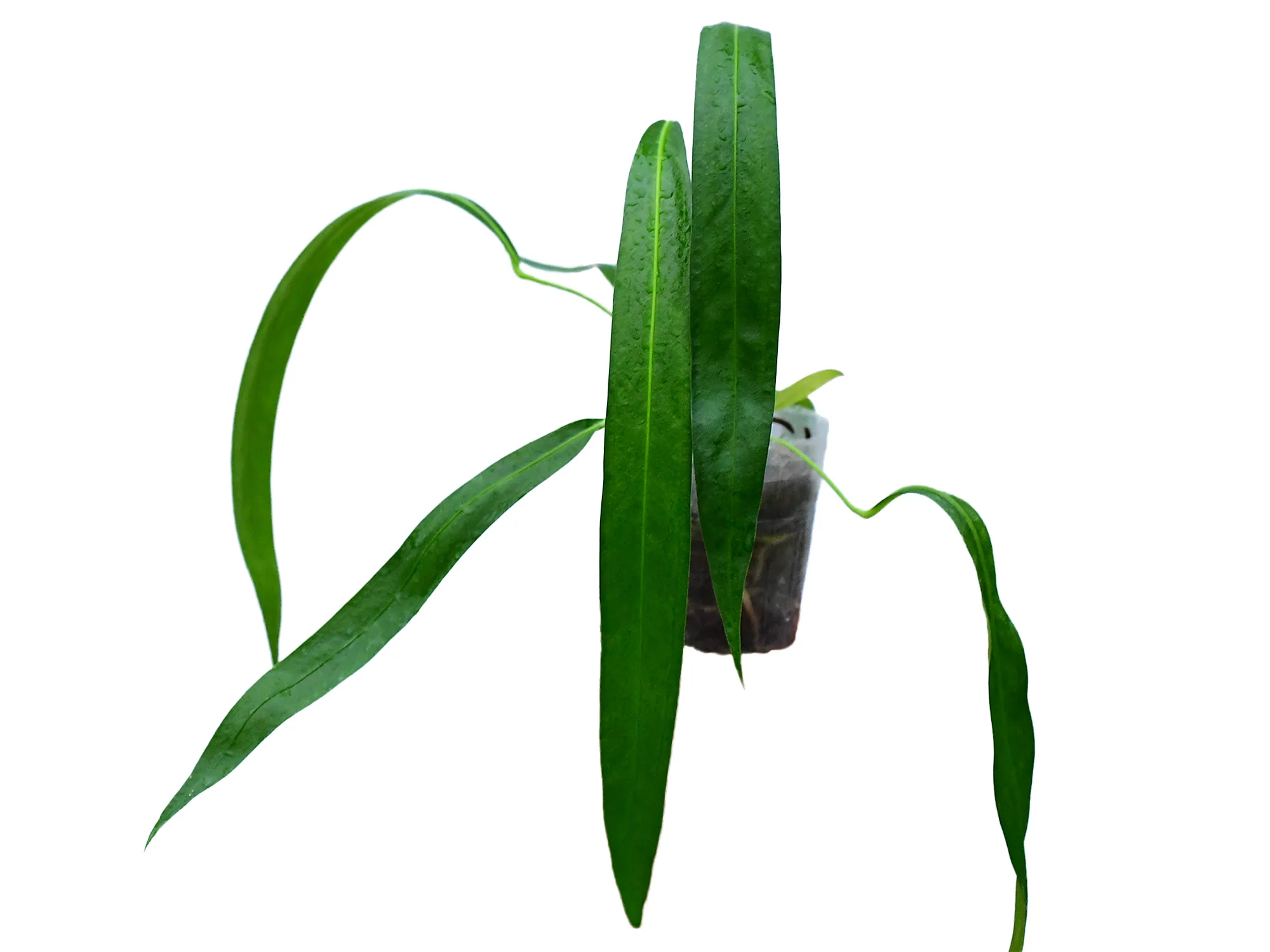
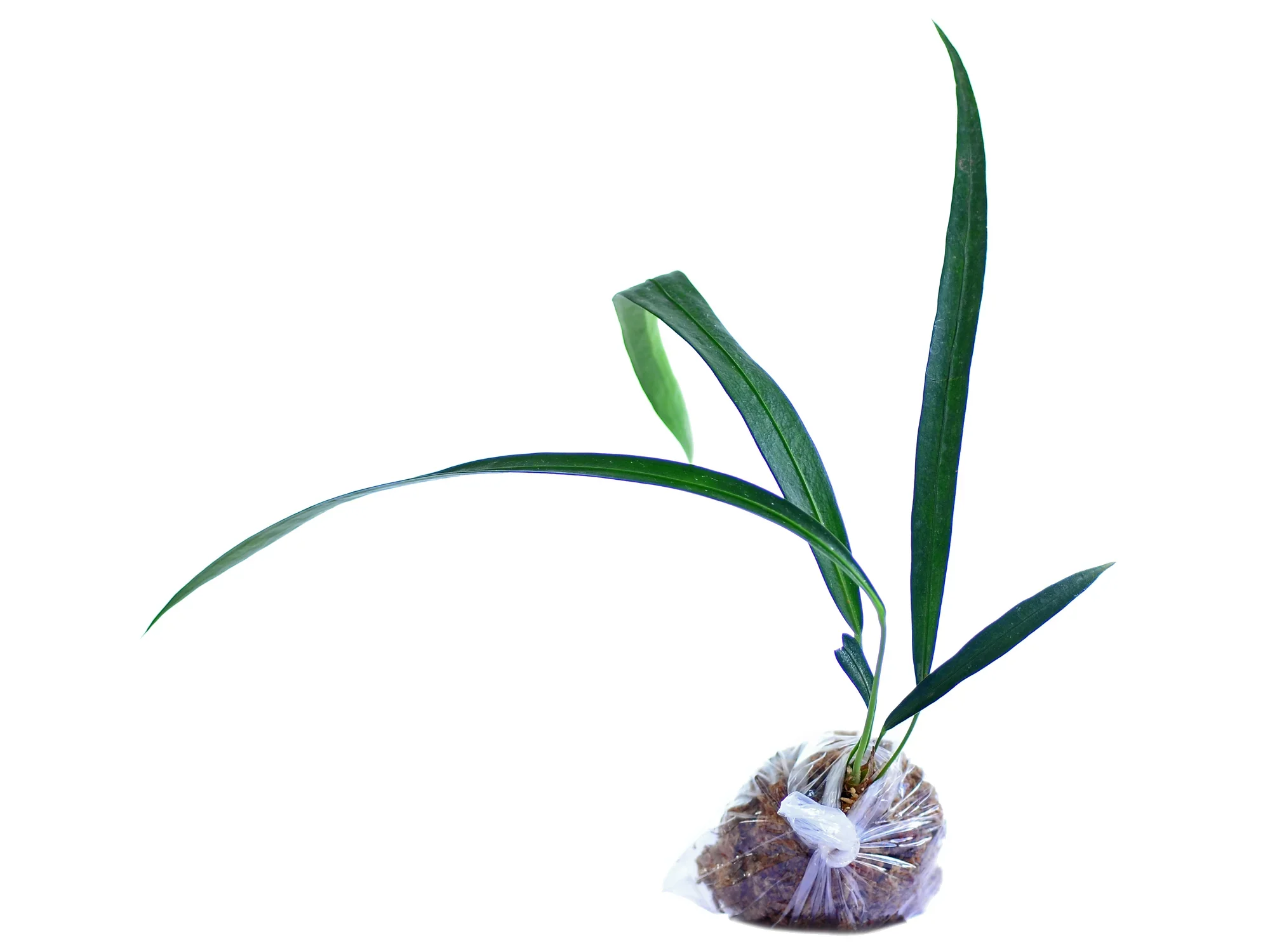
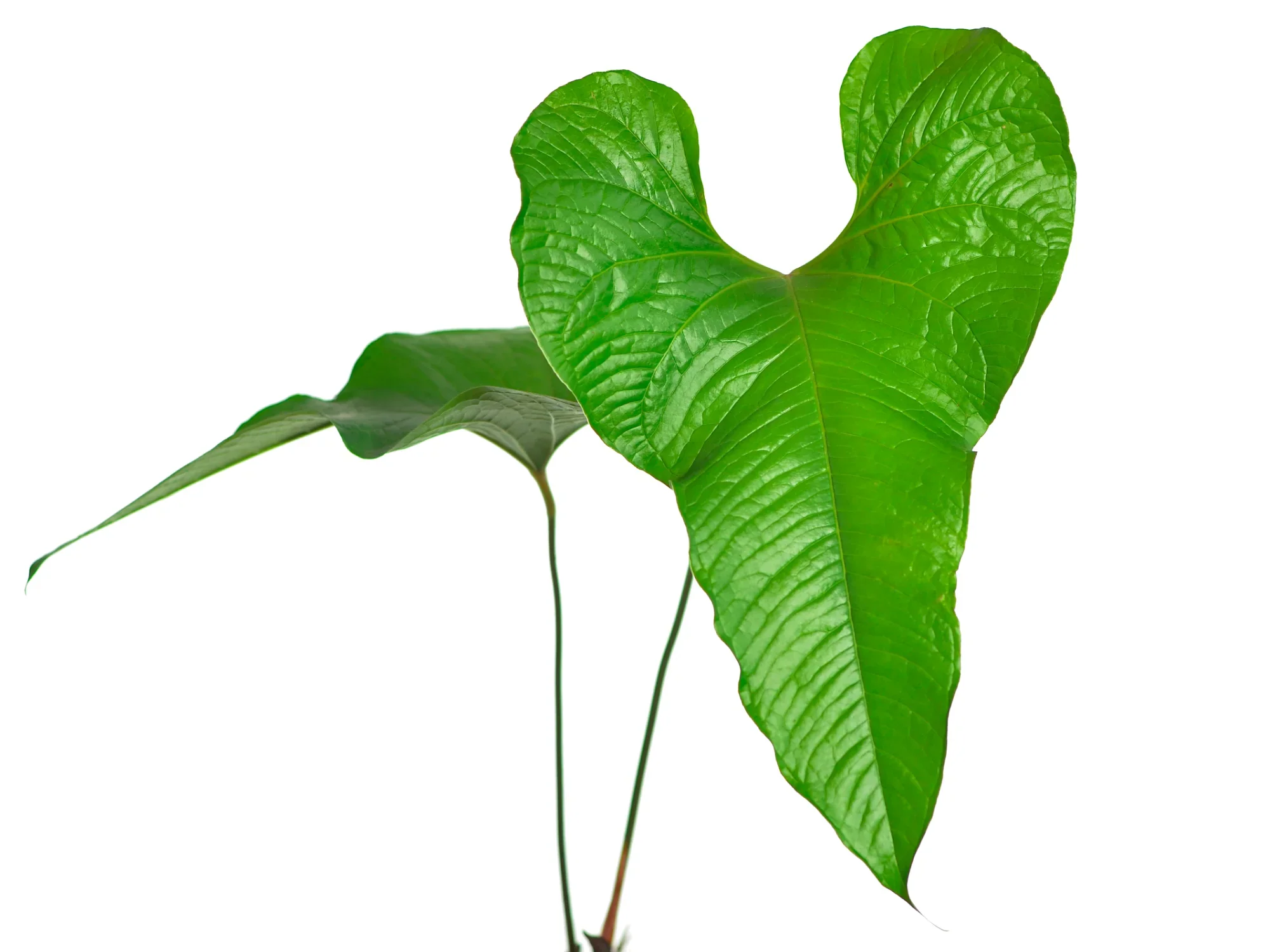
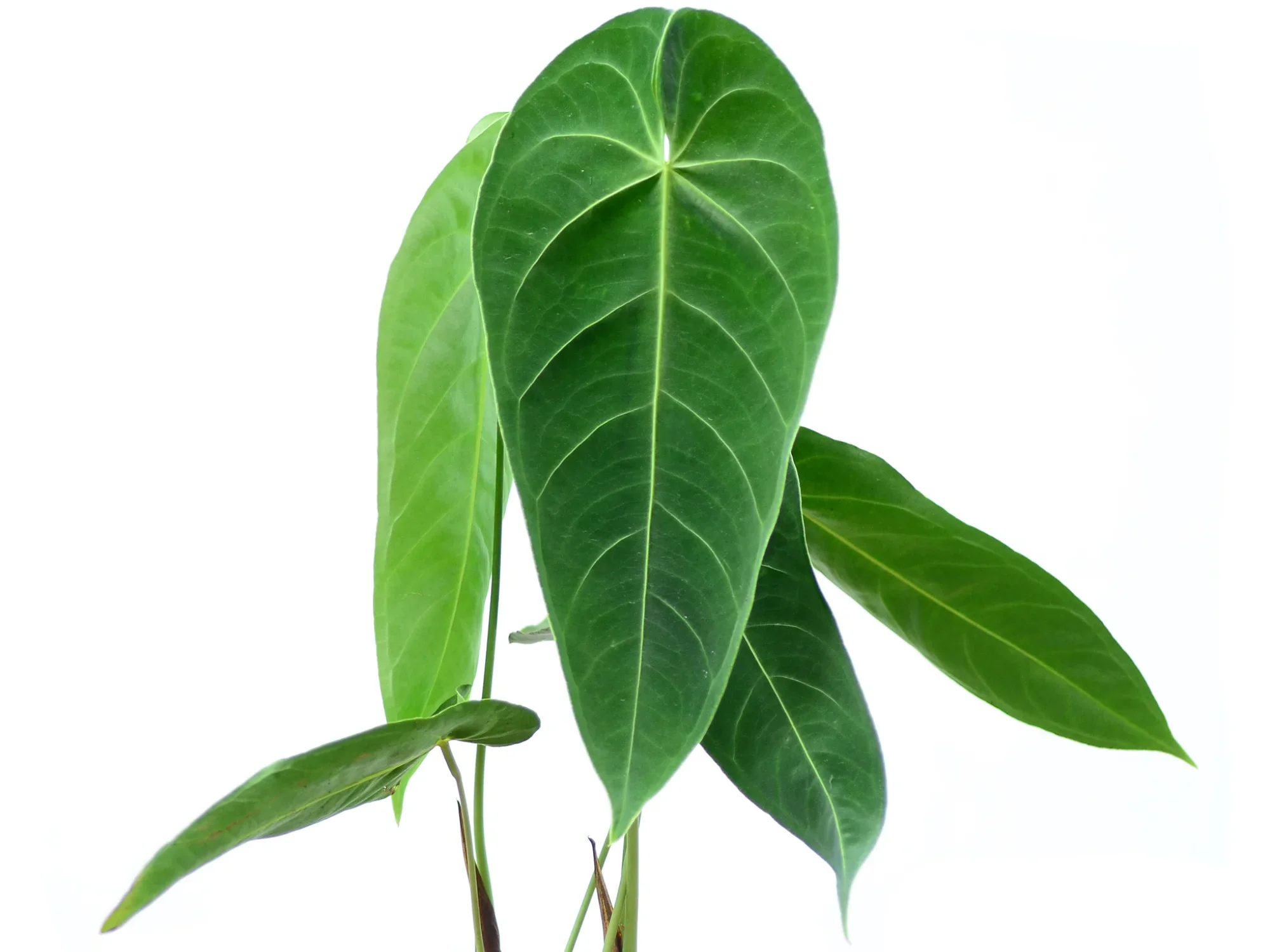
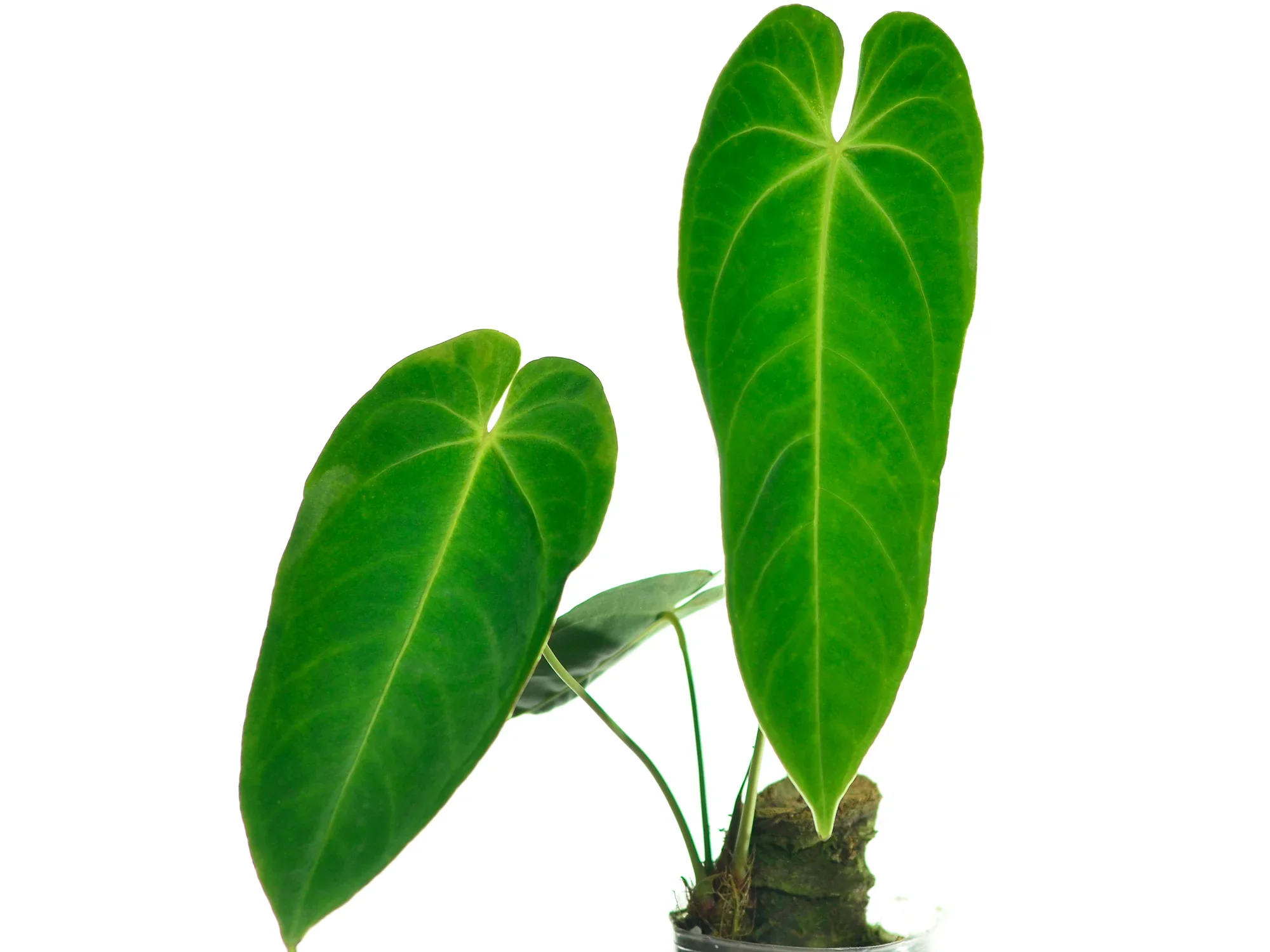
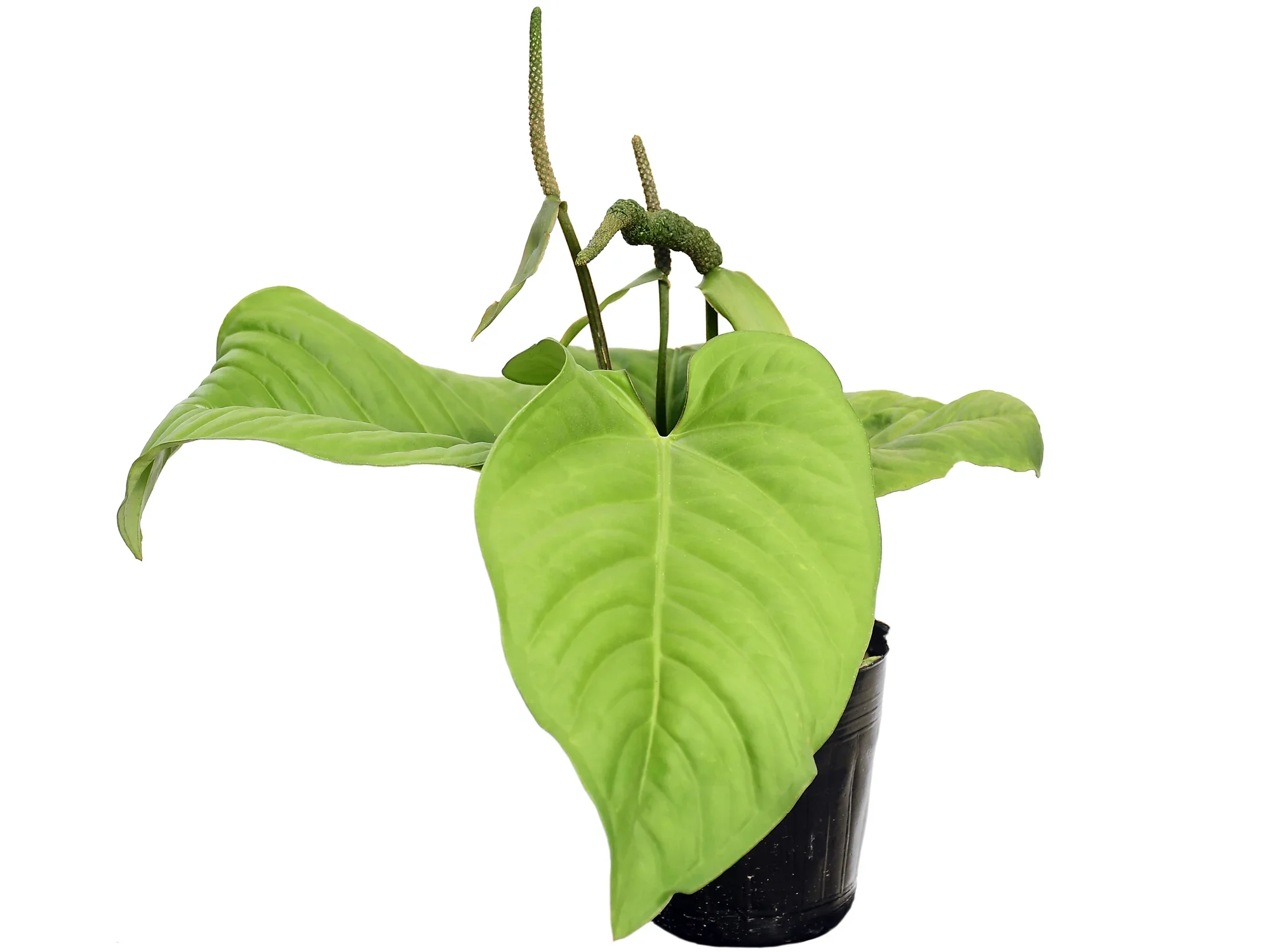
Anthurium Neon Lace inverse crossing
Anthurium Anthurium Neon Lace 'Inverse crossing' Culture:
- Light: Prefers bright, indirect light. Avoid direct sunlight, which can scorch its leaves.
- Temperature: Thrives in warm, humid temperatures typical of tropical climates. Ideal temperatures range between 20°C and 30°C (68°F and 86°F).
- Humidity: Requires high ambient humidity. The use of humidifiers, frequent misting, or cultivation in terrariums may be necessary.
- Watering: Keep the substrate consistently moist, but not waterlogged. Ensure good drainage to prevent root rot.
- Substrate: Use a very well-draining, airy substrate, rich in organic material.
Additional Notes:
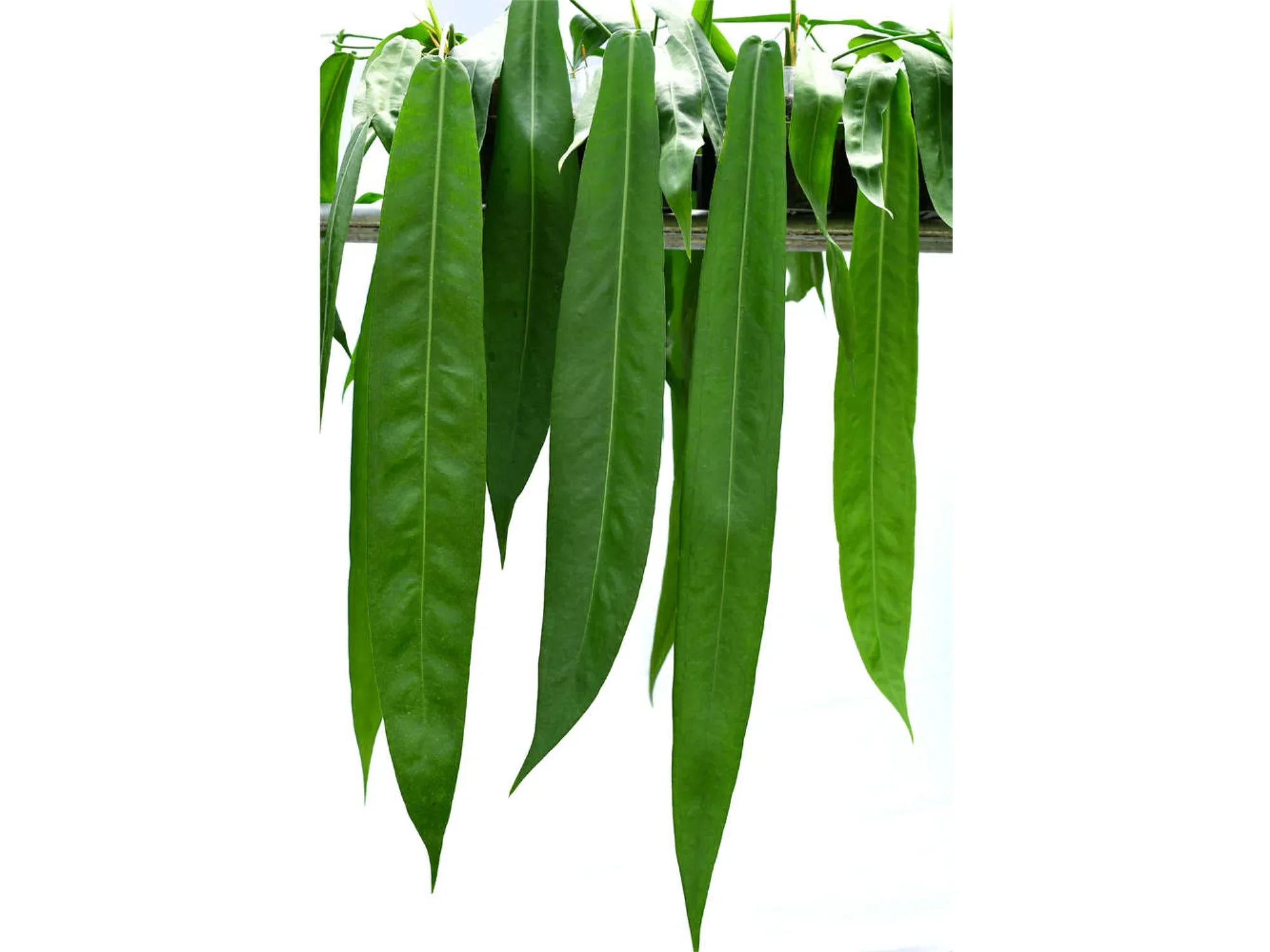
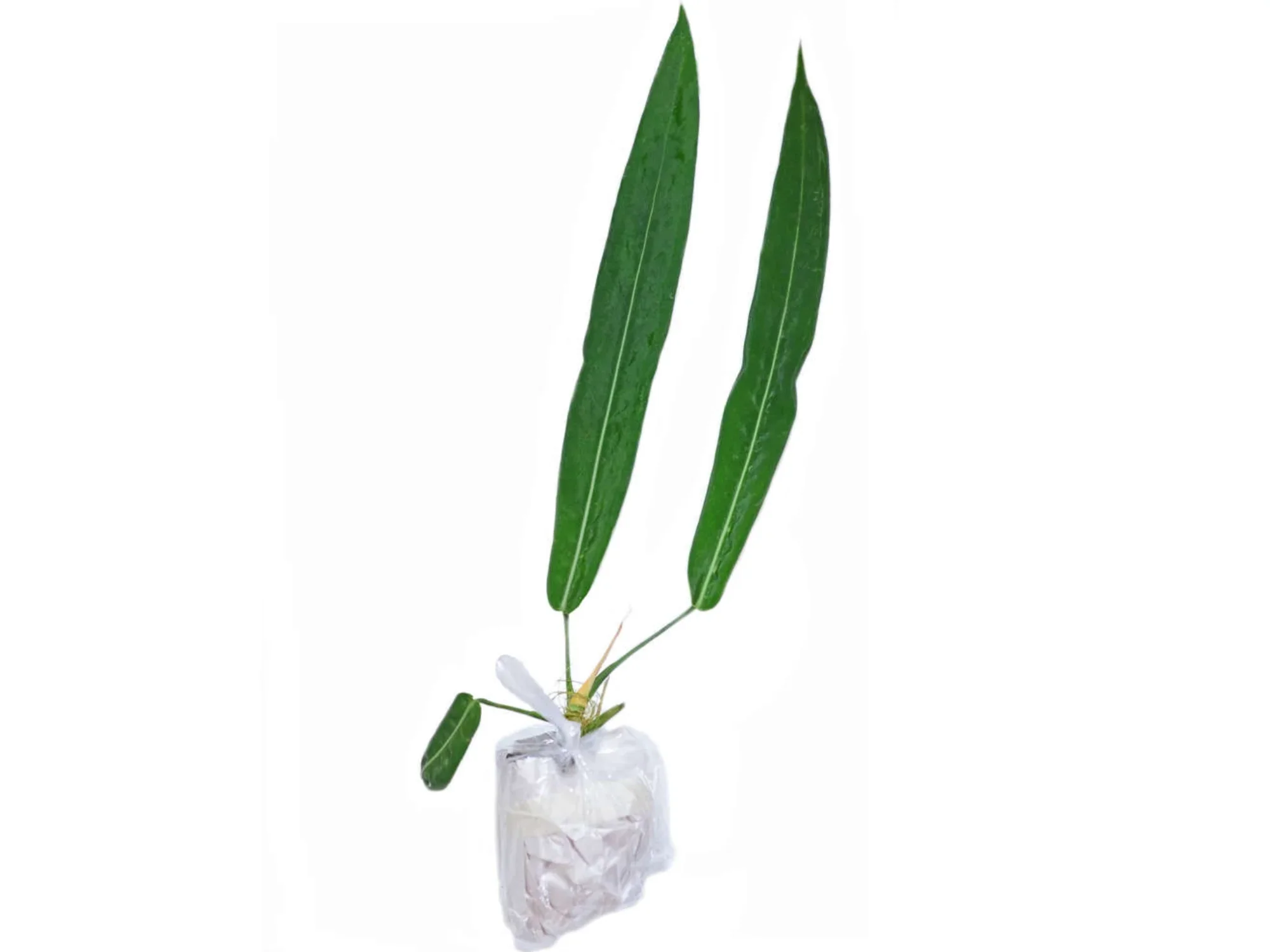
- This is a hybrid resulting from the cross between Anthurium papillilaminum and Anthurium besseae aff..
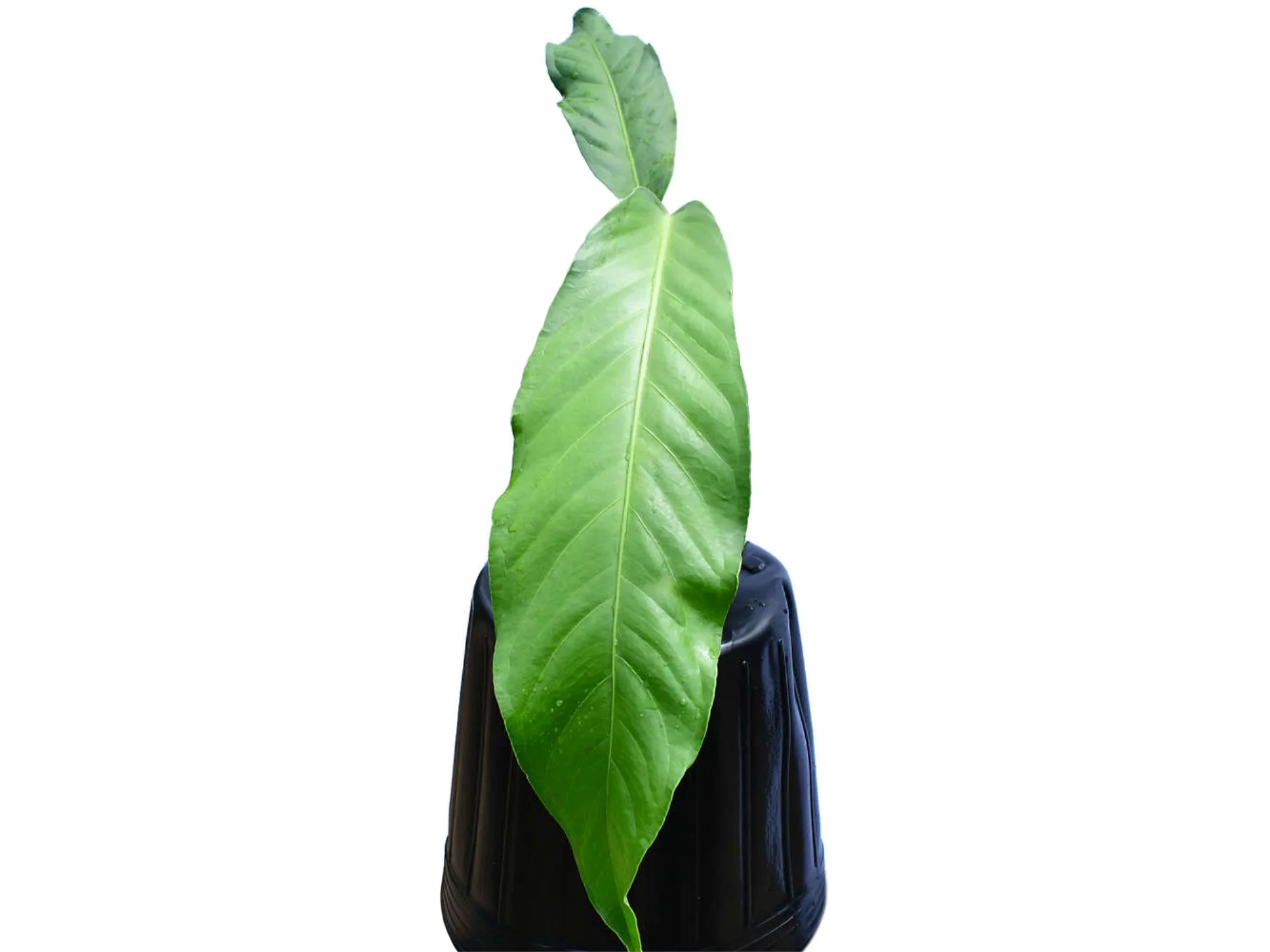
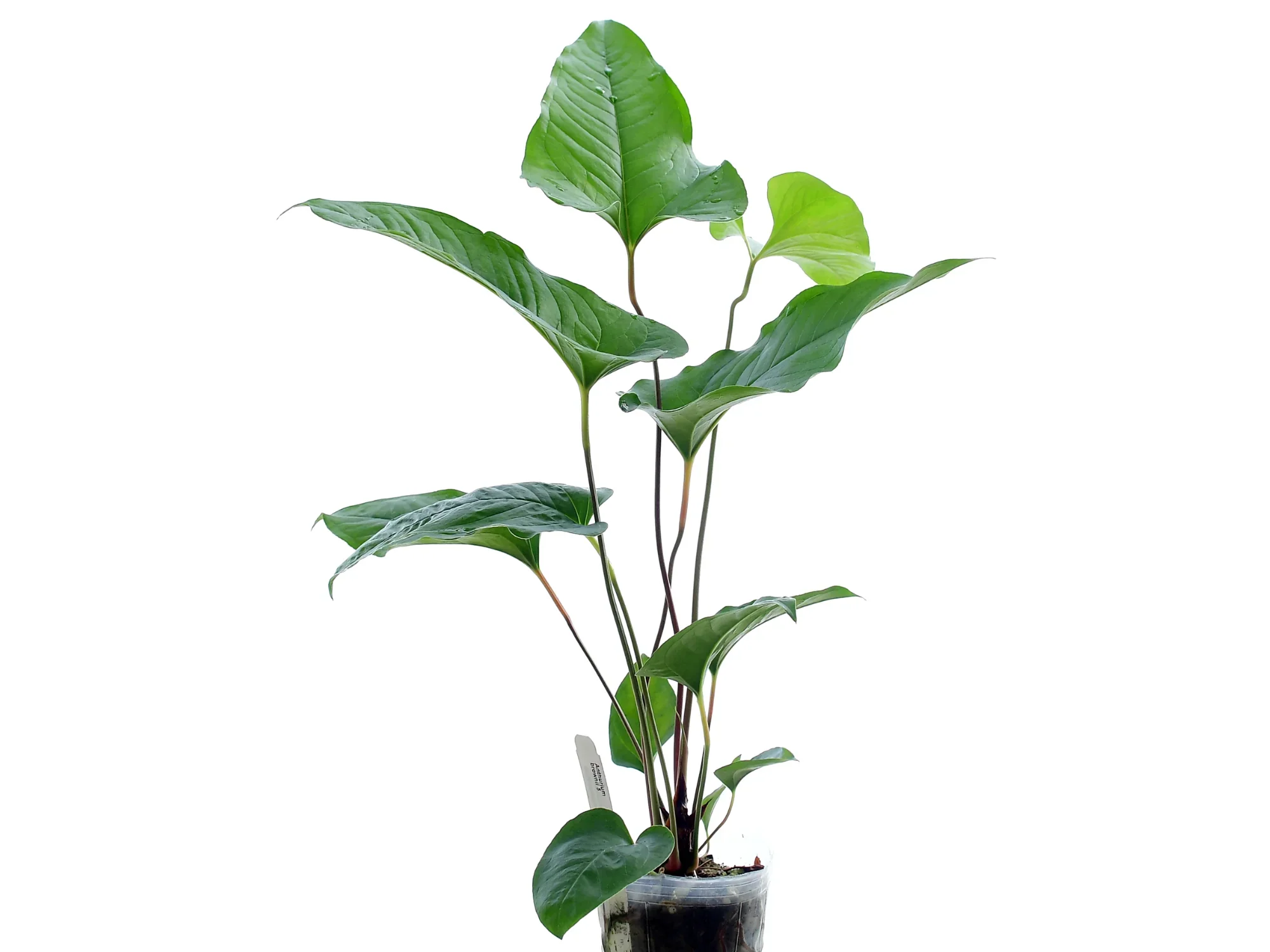
- The hybrid will likely exhibit a combination of its parent's characteristics, such as velvety leaves, and the heart shaped leaf from the papillilaminum, and potentially some reddish coloration from the besseae aff.
- There are some hybrids from these parents that have shown a golden shimmer to new growth.
$42.00
Anthurium Neon Lace inverse crossing—
$42.00
Product Information
Product Information
Shipping & Returns
Shipping & Returns
Description
Anthurium Anthurium Neon Lace 'Inverse crossing' Culture:
- Light: Prefers bright, indirect light. Avoid direct sunlight, which can scorch its leaves.
- Temperature: Thrives in warm, humid temperatures typical of tropical climates. Ideal temperatures range between 20°C and 30°C (68°F and 86°F).
- Humidity: Requires high ambient humidity. The use of humidifiers, frequent misting, or cultivation in terrariums may be necessary.
- Watering: Keep the substrate consistently moist, but not waterlogged. Ensure good drainage to prevent root rot.
- Substrate: Use a very well-draining, airy substrate, rich in organic material.
Additional Notes:
- This is a hybrid resulting from the cross between Anthurium papillilaminum and Anthurium besseae aff..
- The hybrid will likely exhibit a combination of its parent's characteristics, such as velvety leaves, and the heart shaped leaf from the papillilaminum, and potentially some reddish coloration from the besseae aff.
- There are some hybrids from these parents that have shown a golden shimmer to new growth.