🚚 Free Worldwide Shipping on All Orders!Shop Now



Anthurium corallinum
Anthurium corallinum Culture
Successful cultivation of Anthurium corallinum requires attention to the following aspects:
- Light: Prefers bright, indirect light. Avoid direct sunlight, which can scorch the leaves.
- Temperature: Thrives in warm, humid temperatures typical of tropical climates. Ideal temperatures range between 18°C and 27°C (64°F and 80°F).
- Humidity: Requires high ambient humidity. The use of humidifiers, frequent misting, or cultivation in terrariums may be necessary.
- Watering: Keep the substrate consistently moist, but not waterlogged. Ensure good drainage to prevent root rot.
- Substrate: Prefers a well-draining, airy substrate, rich in organic material.
Additional Notes:
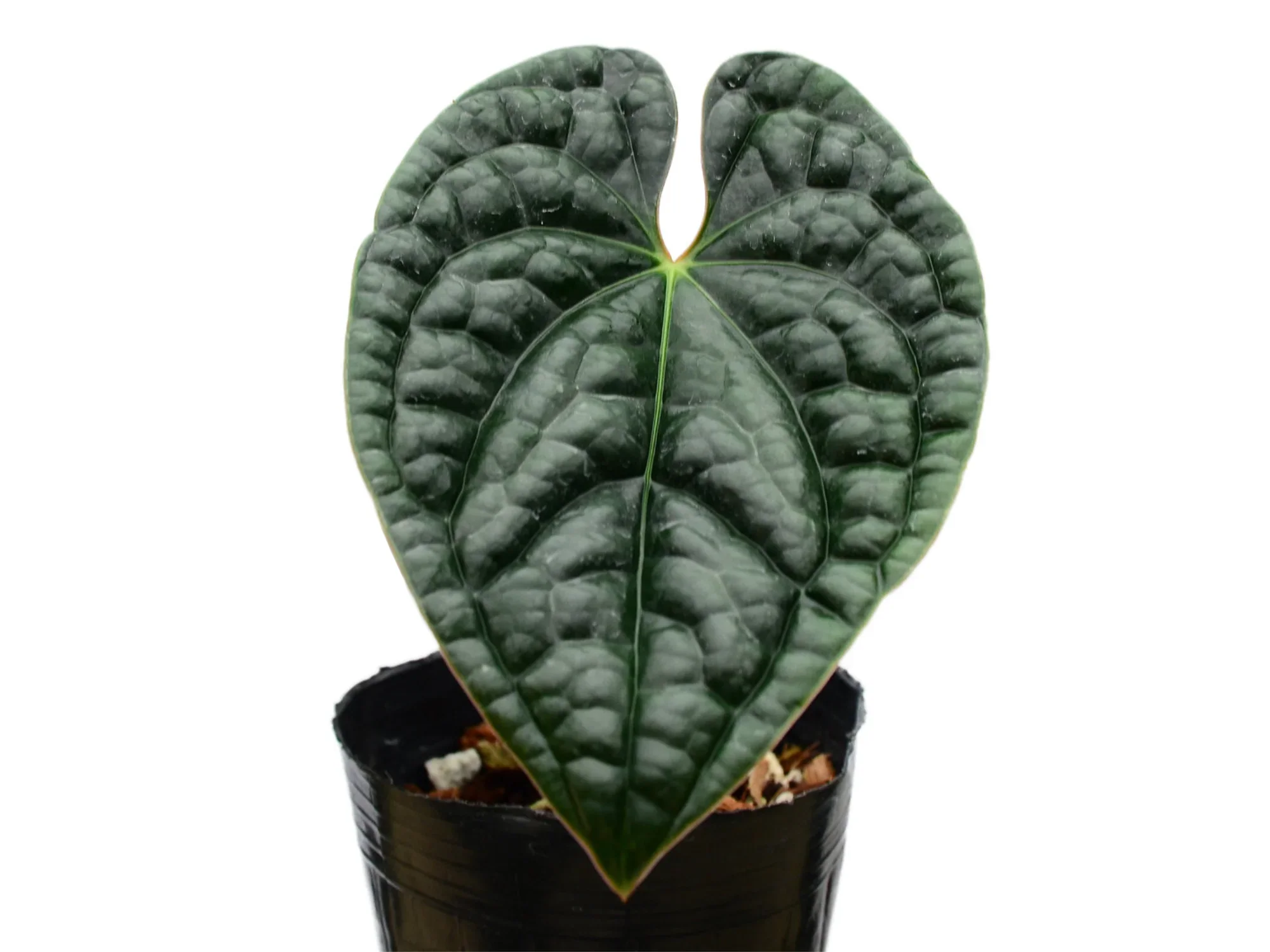
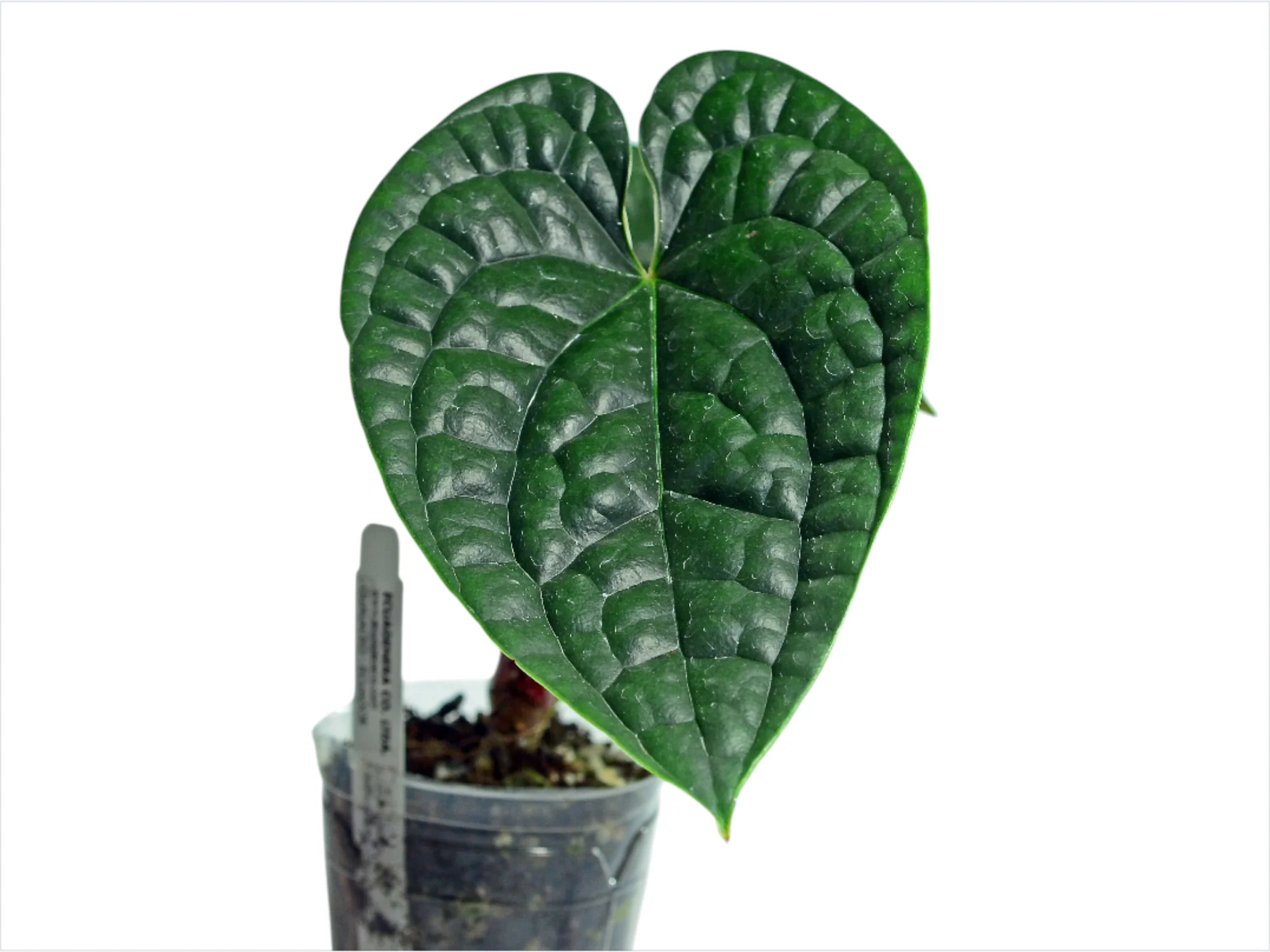
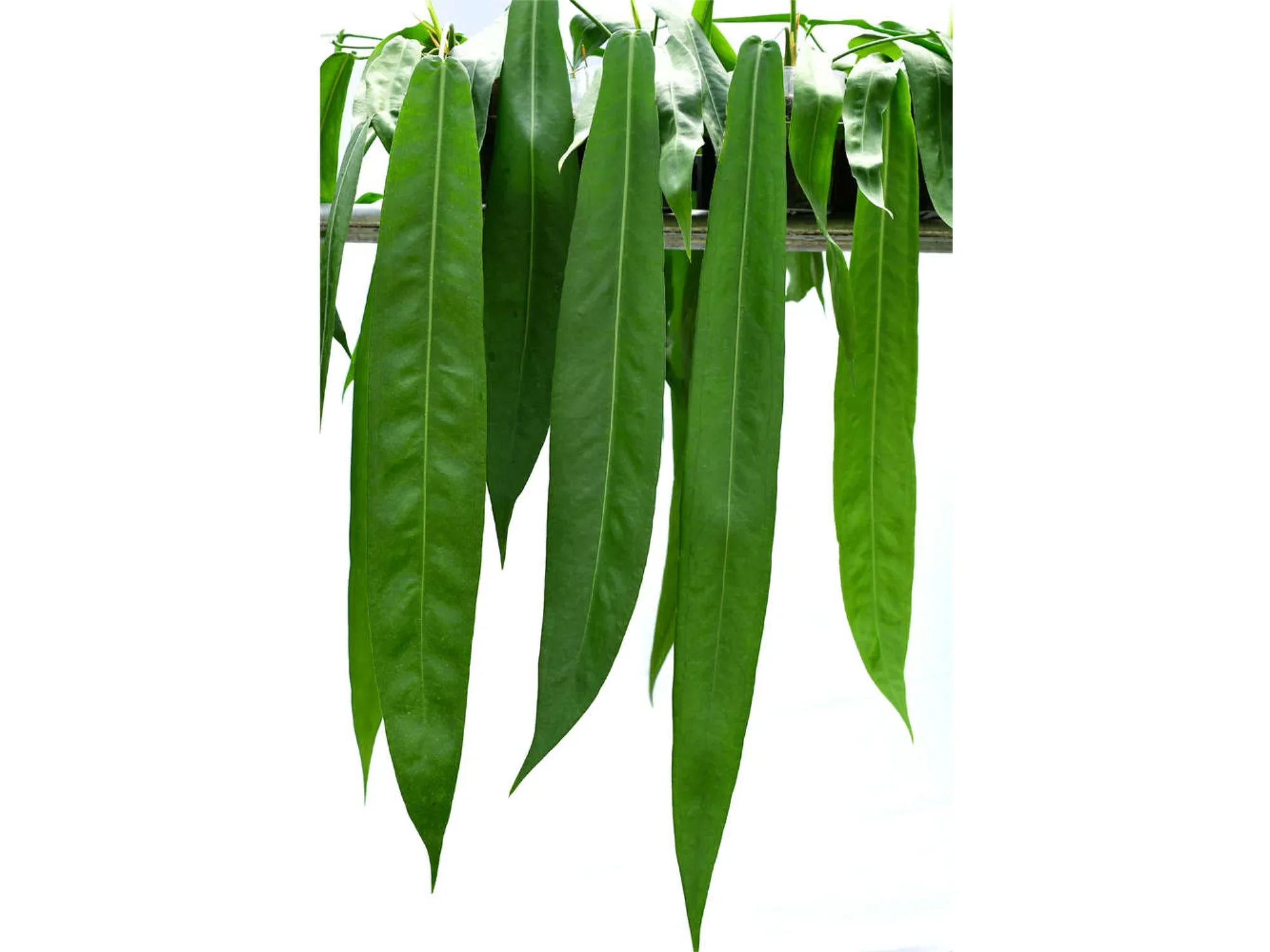
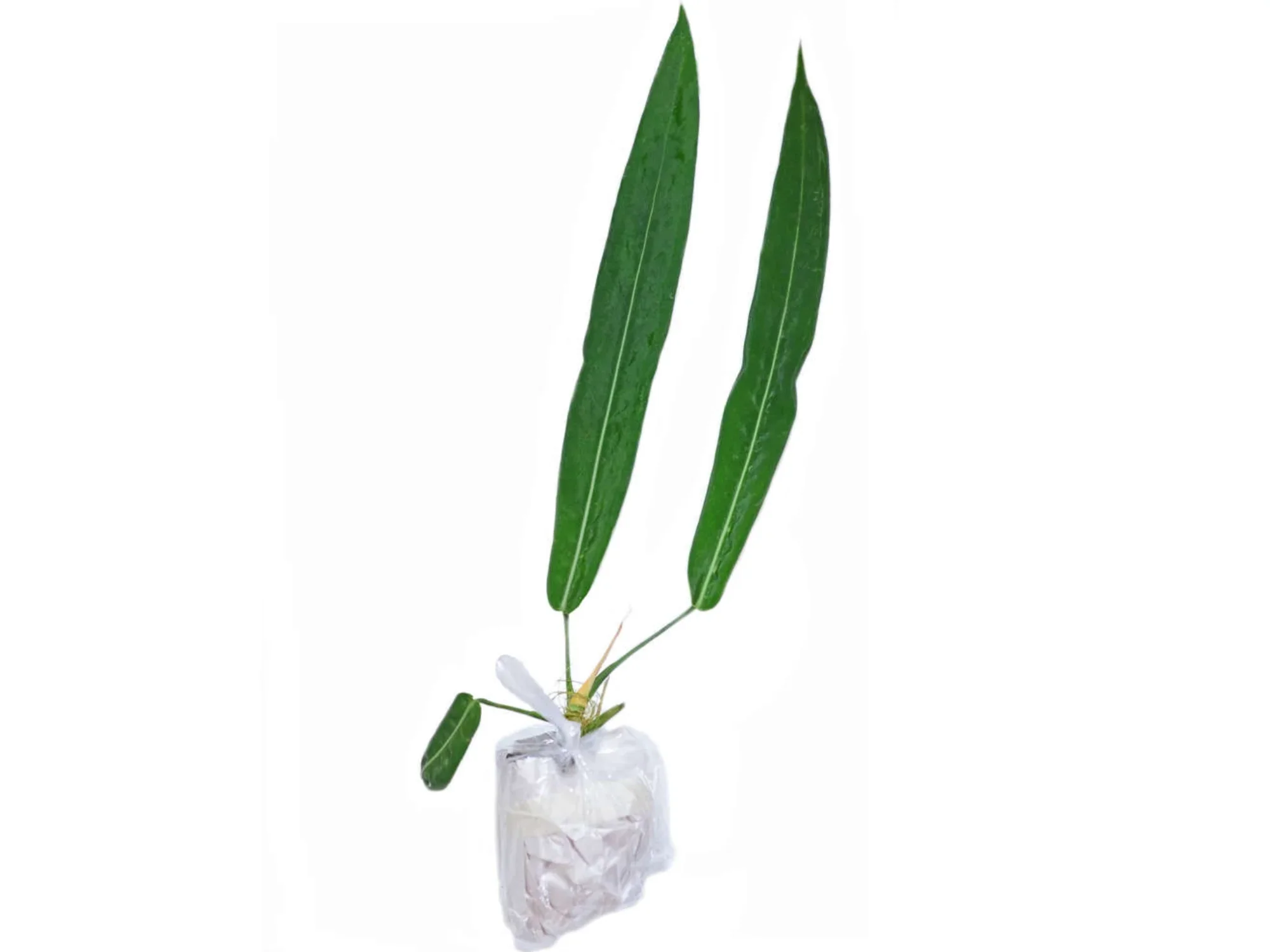
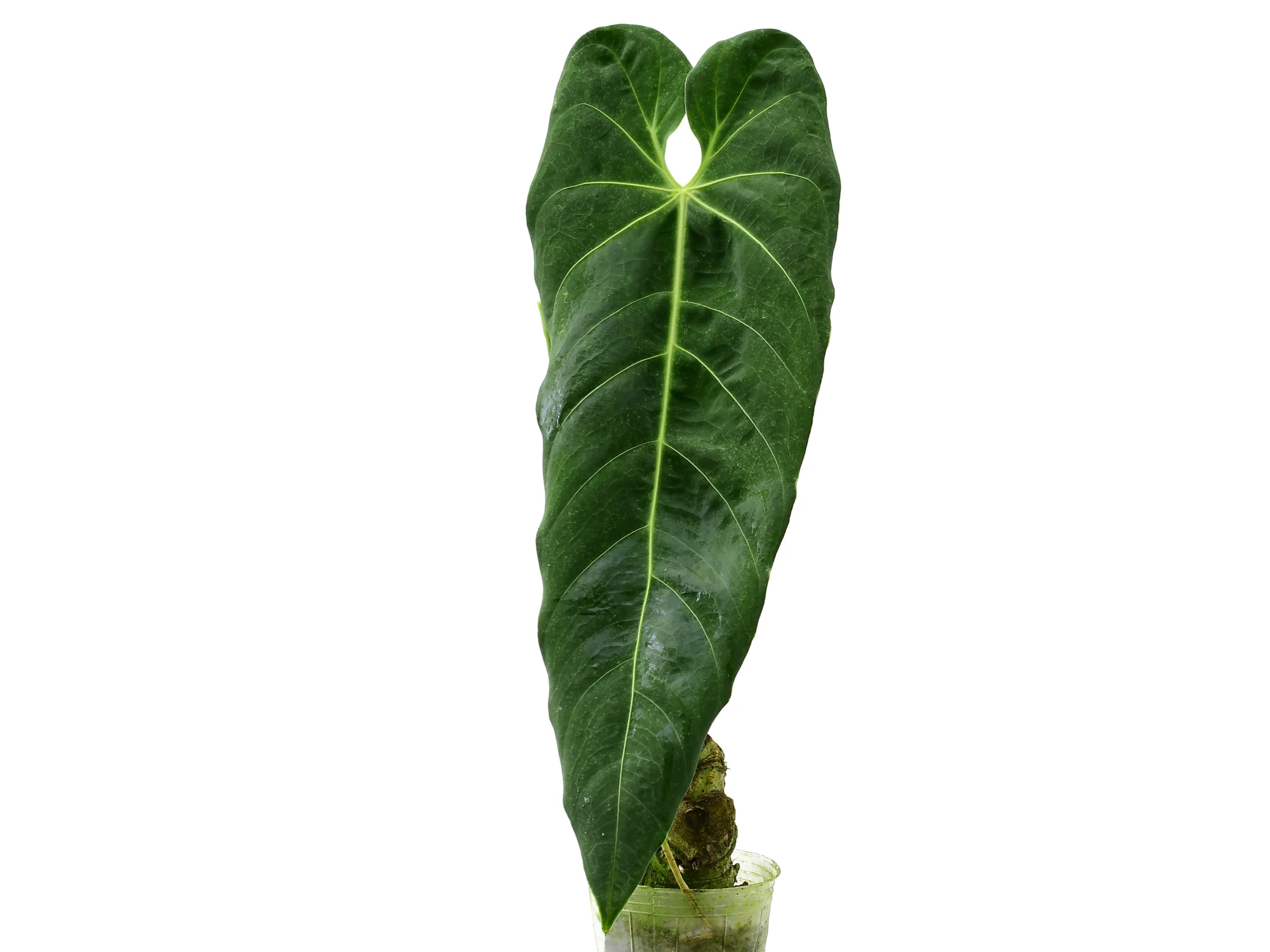
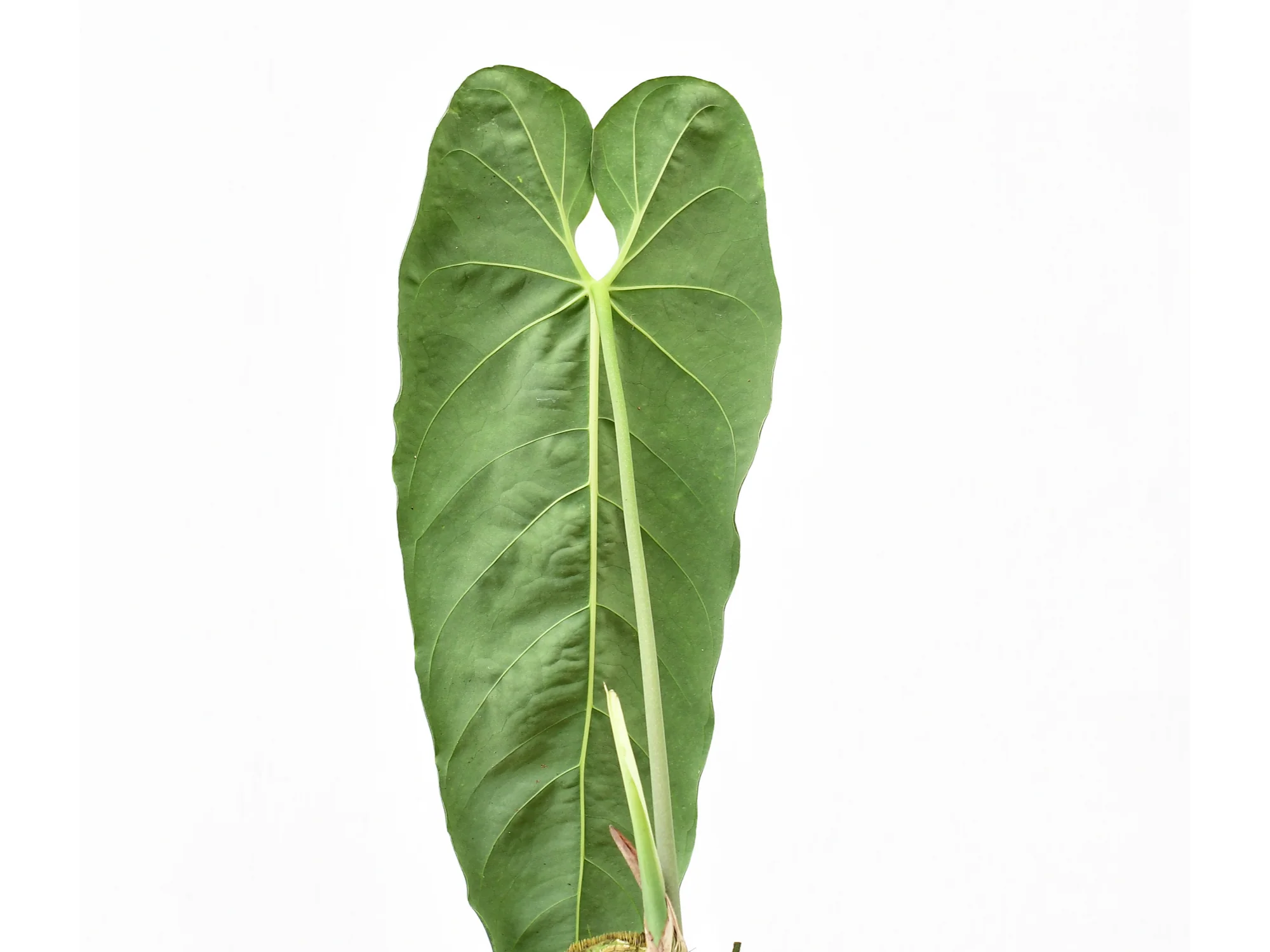
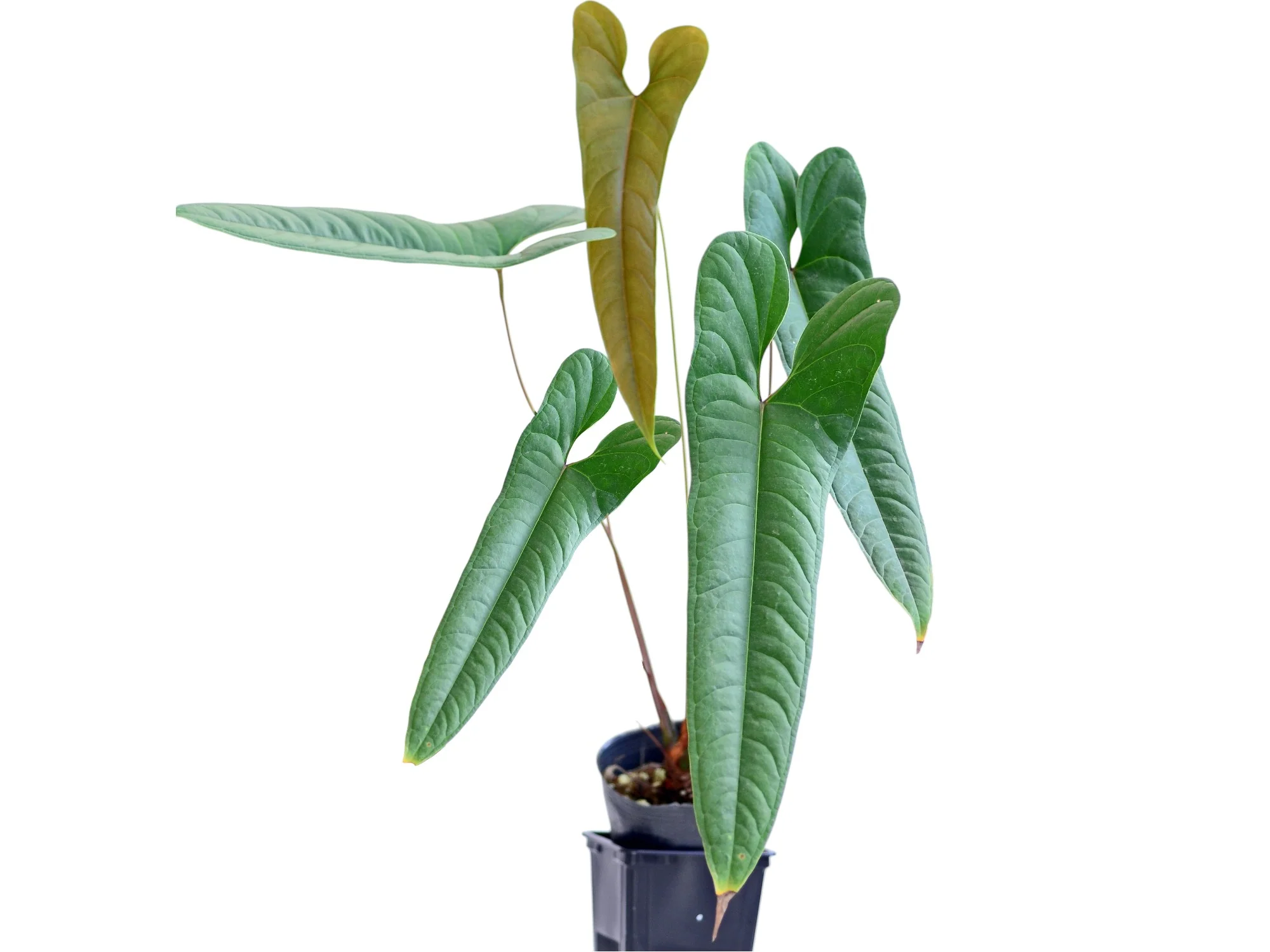
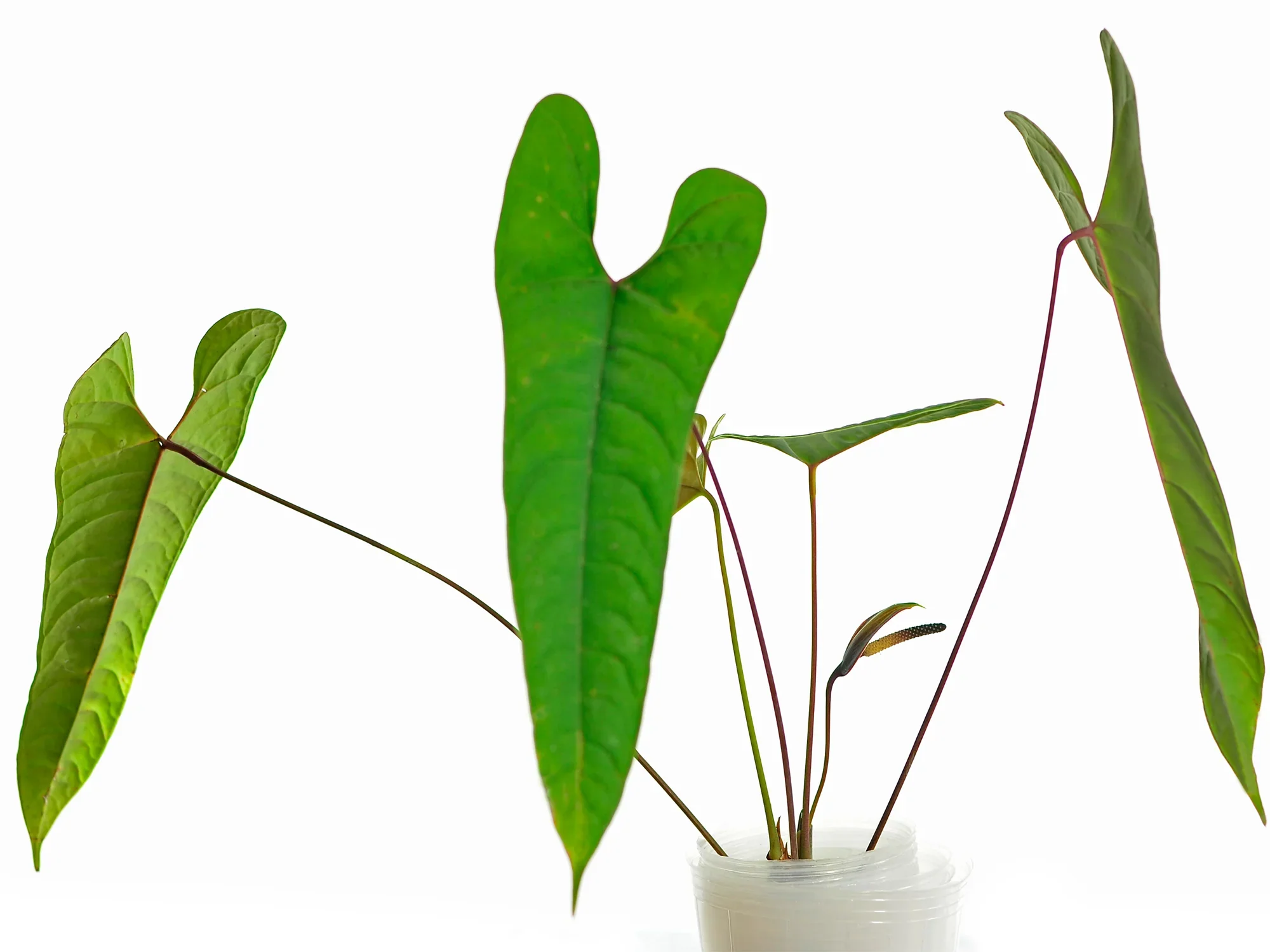
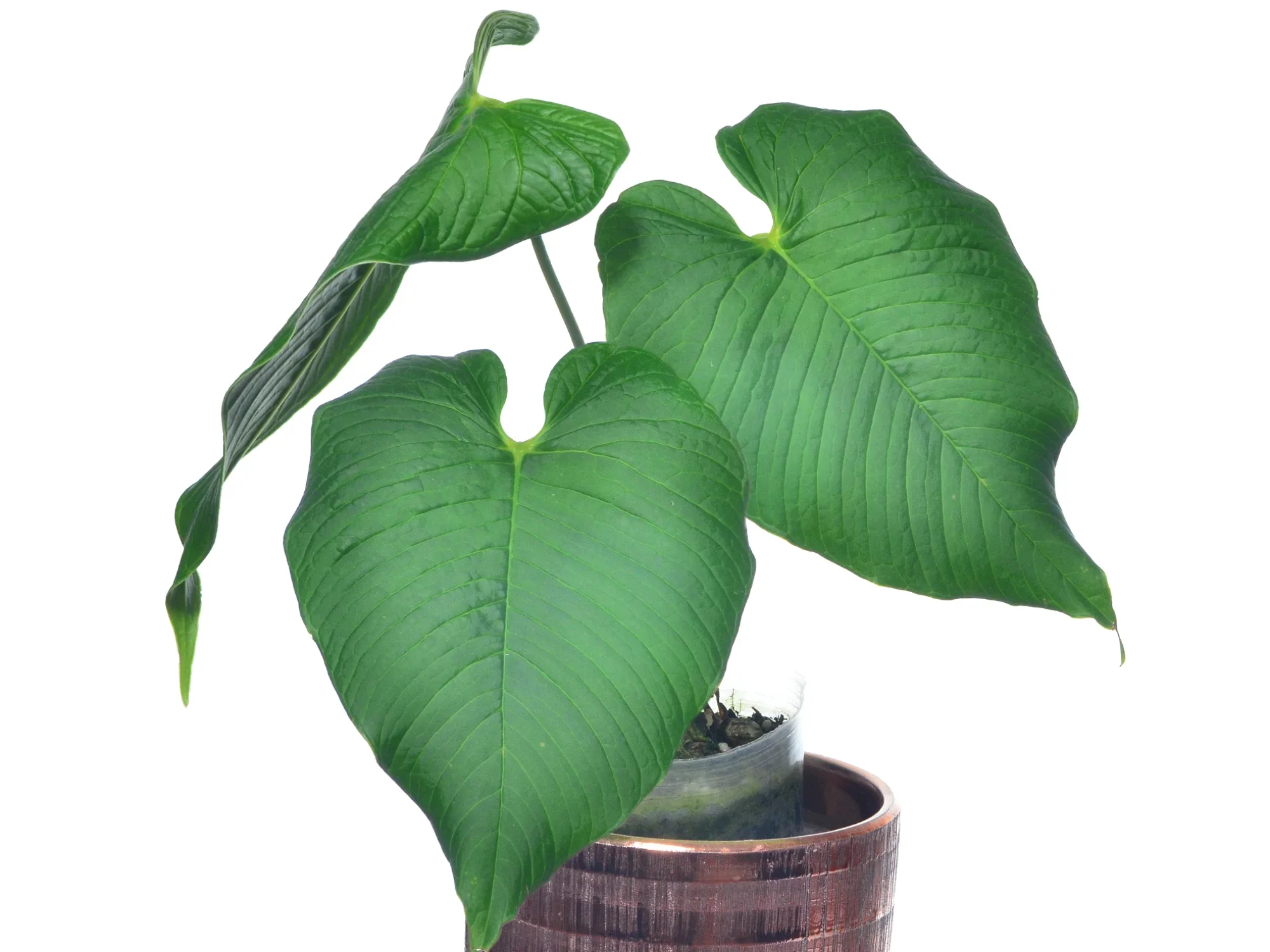
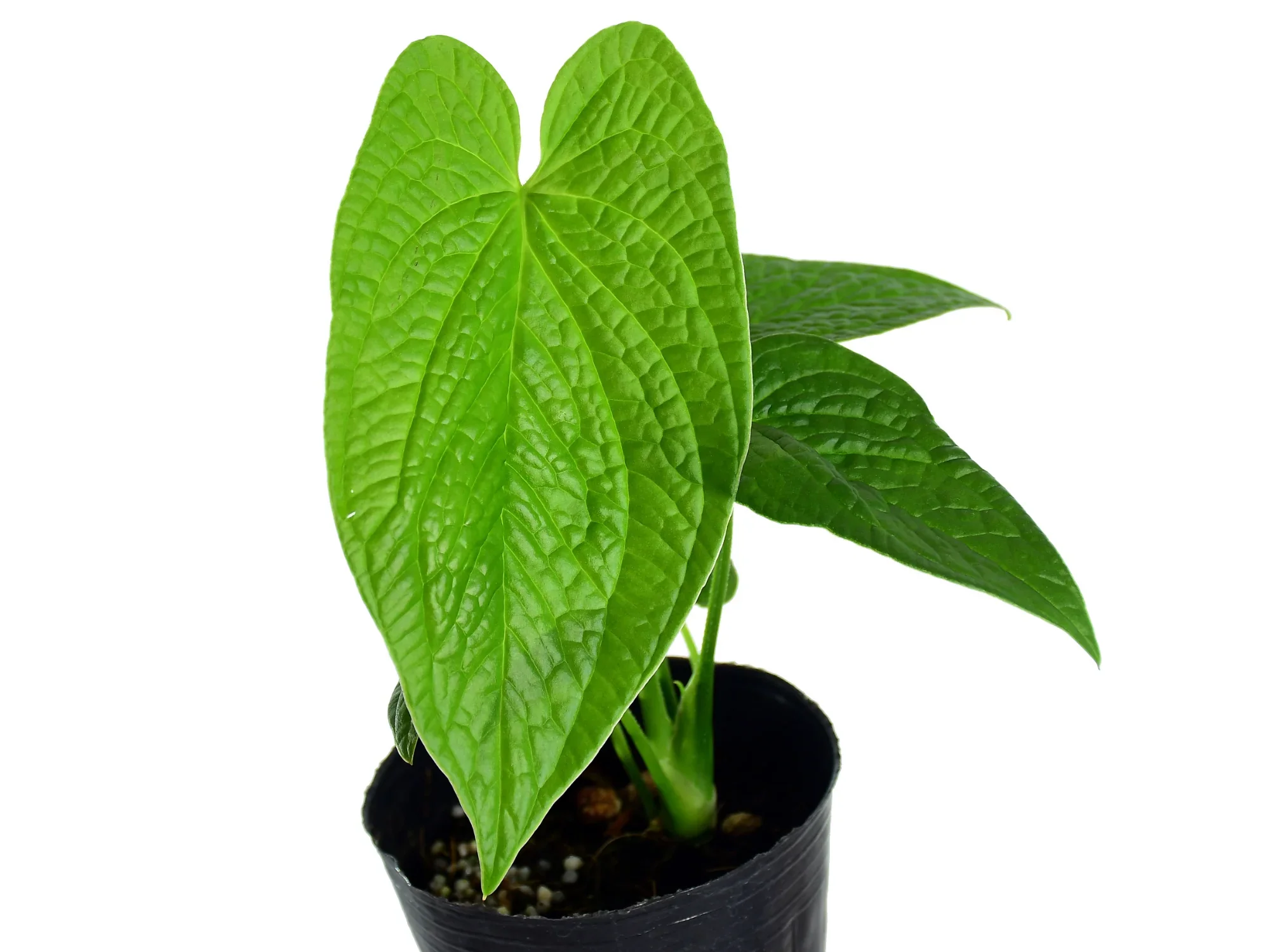
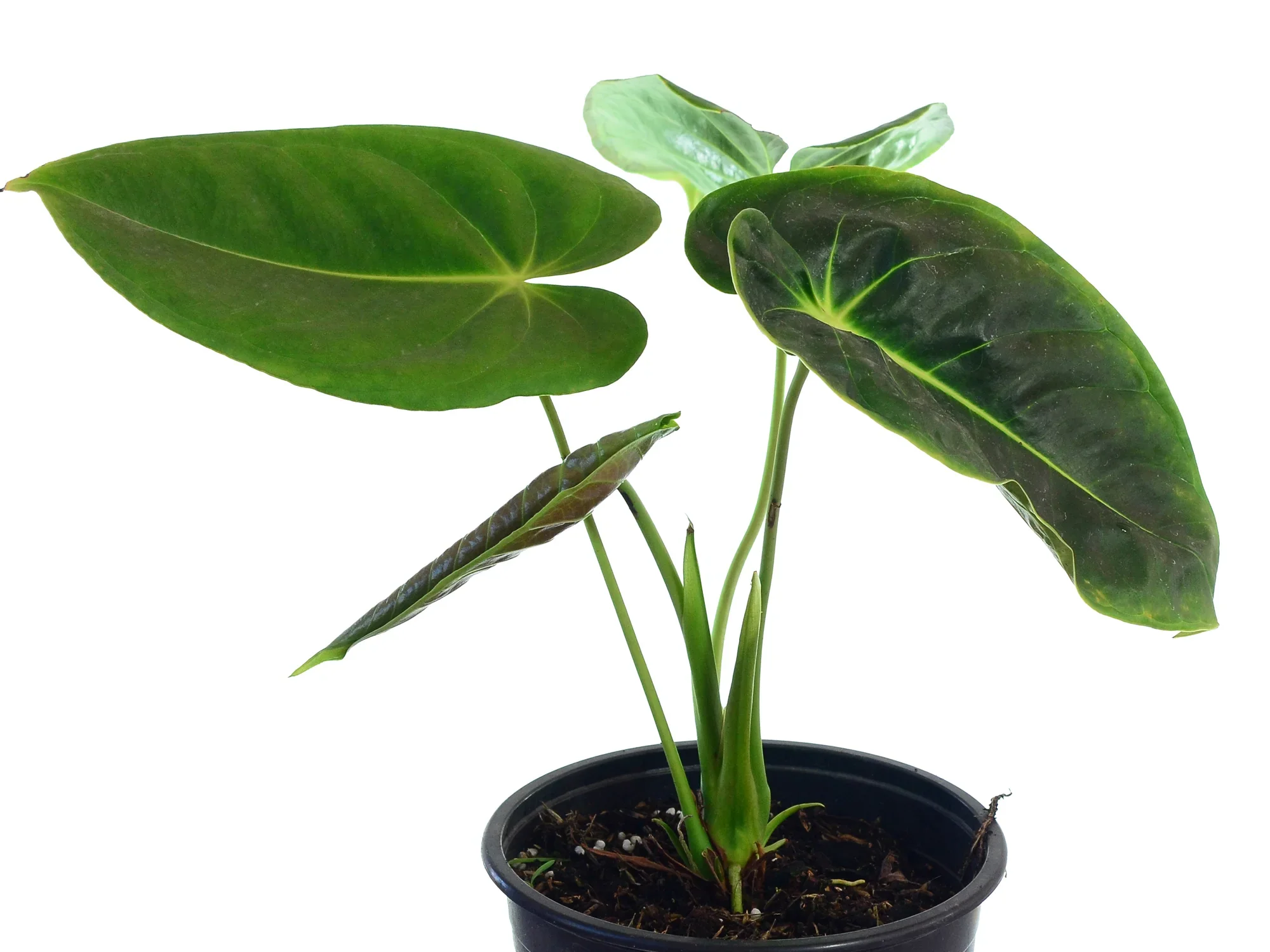
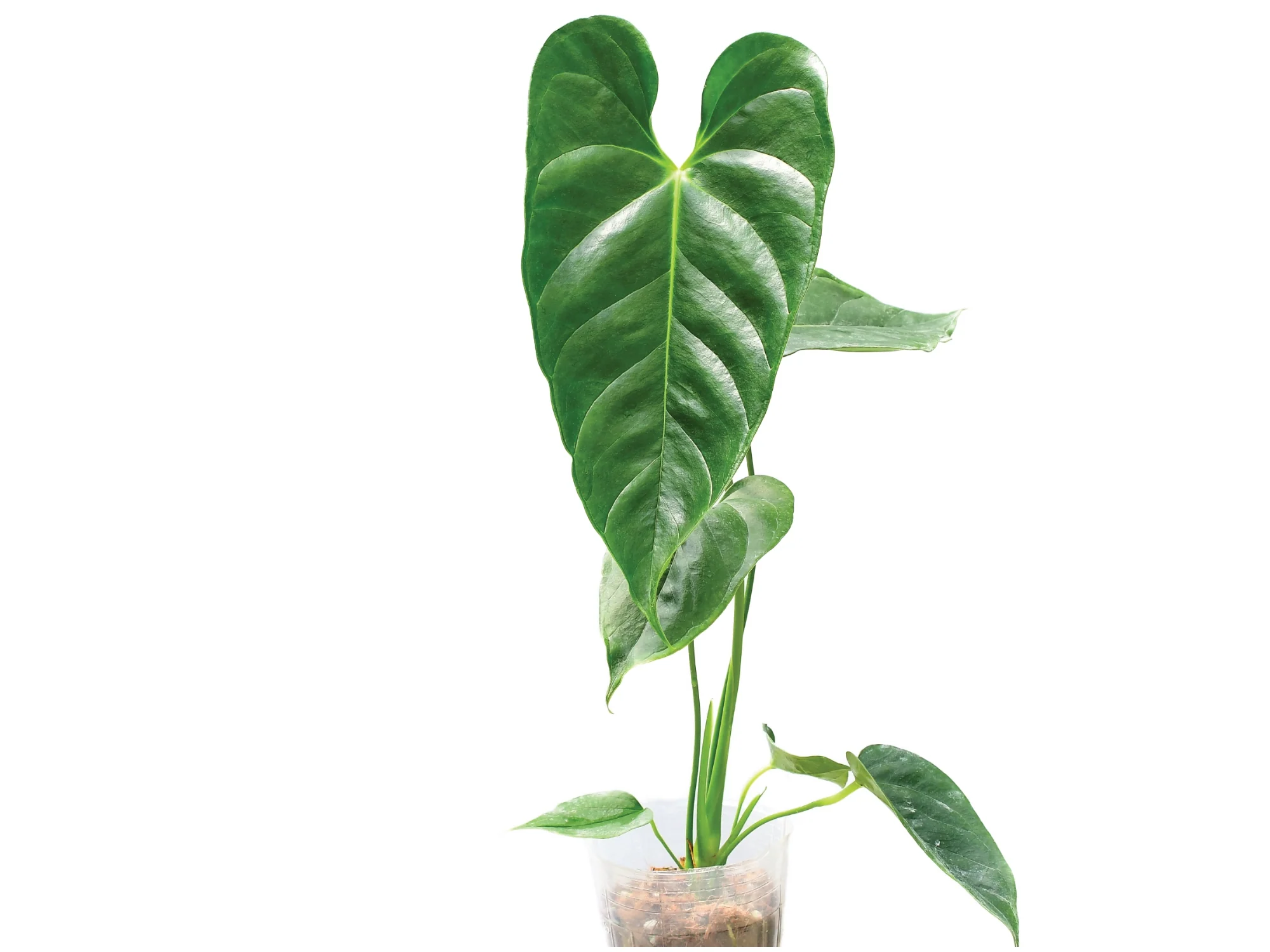
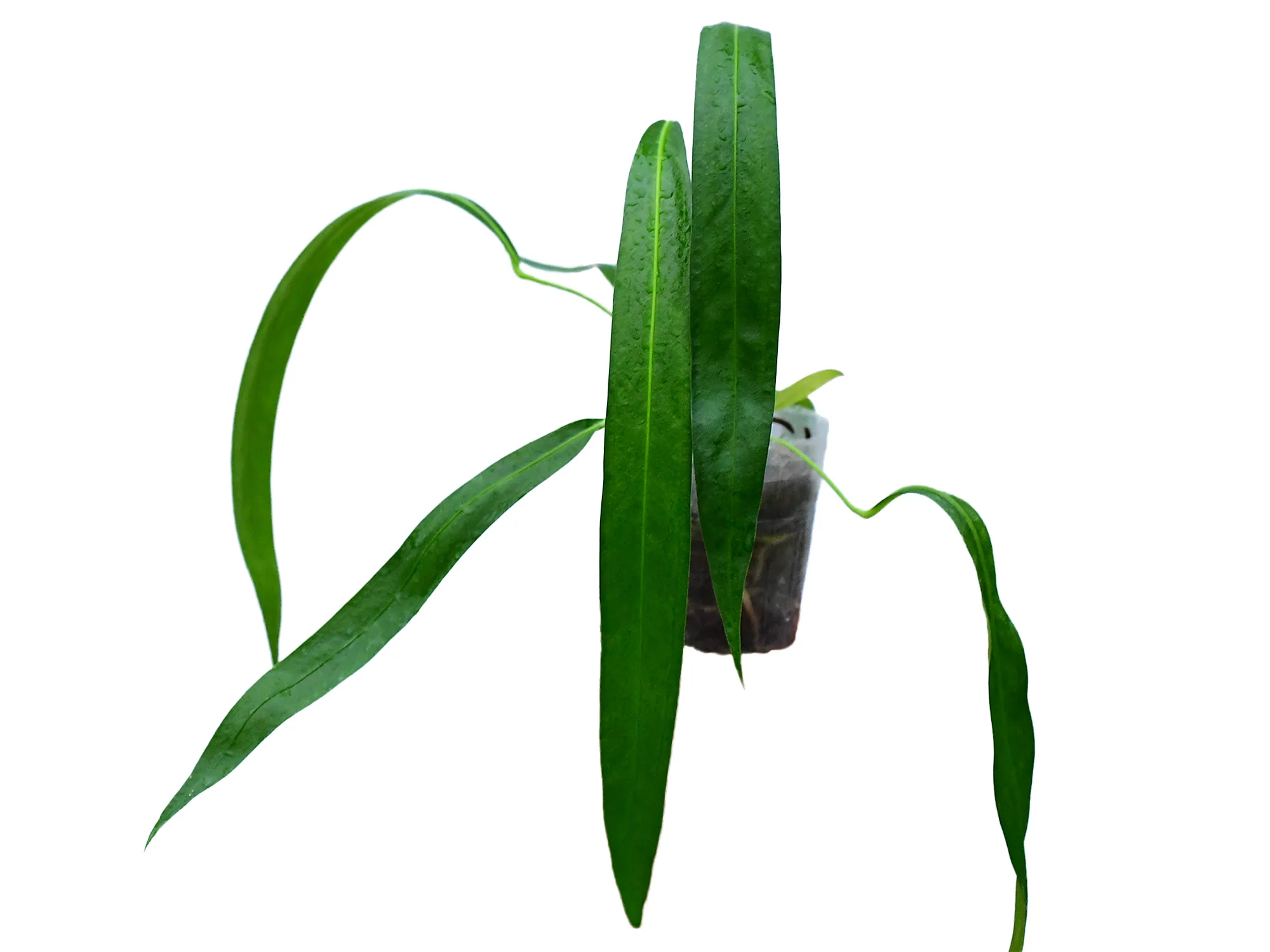
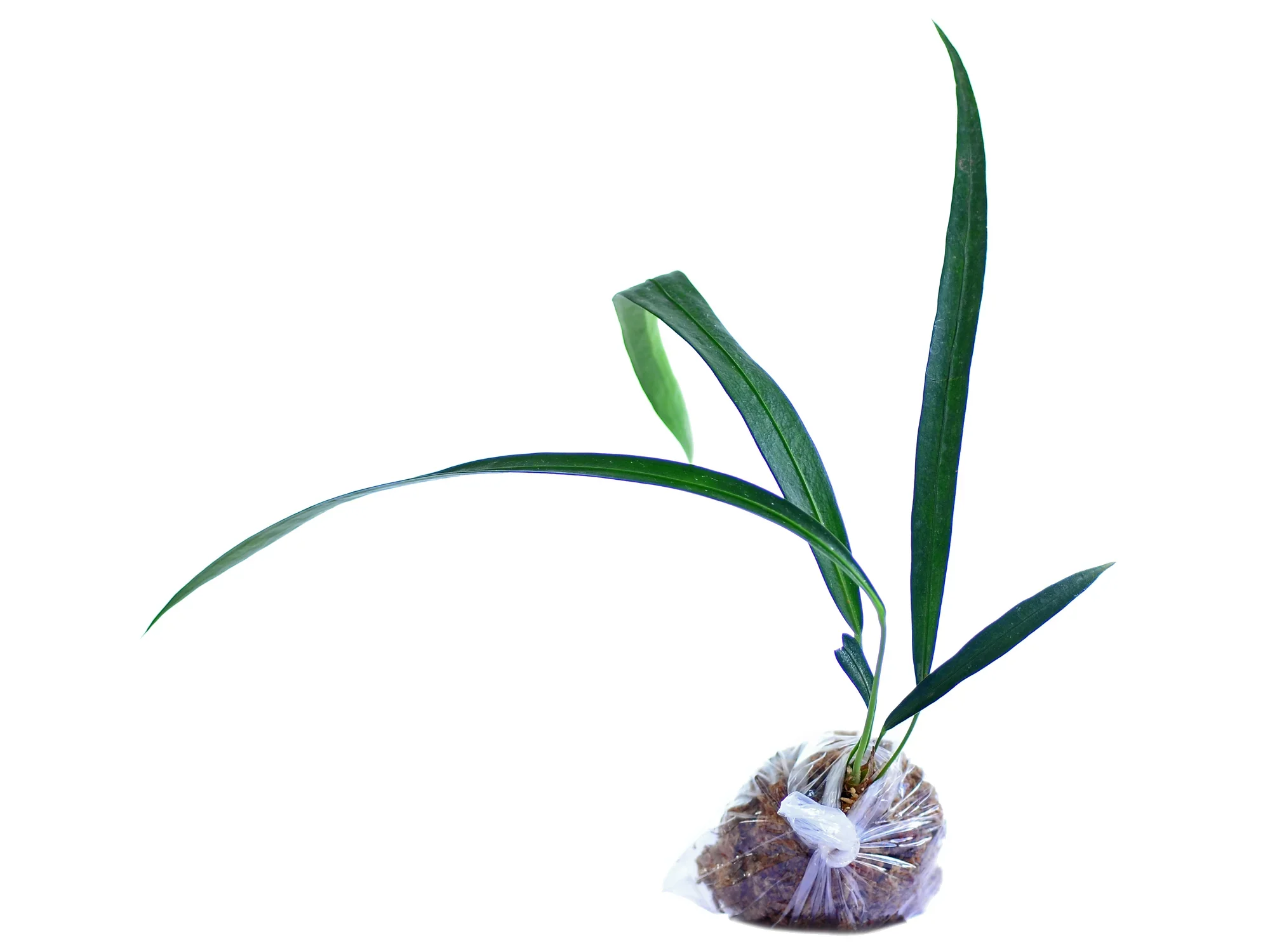
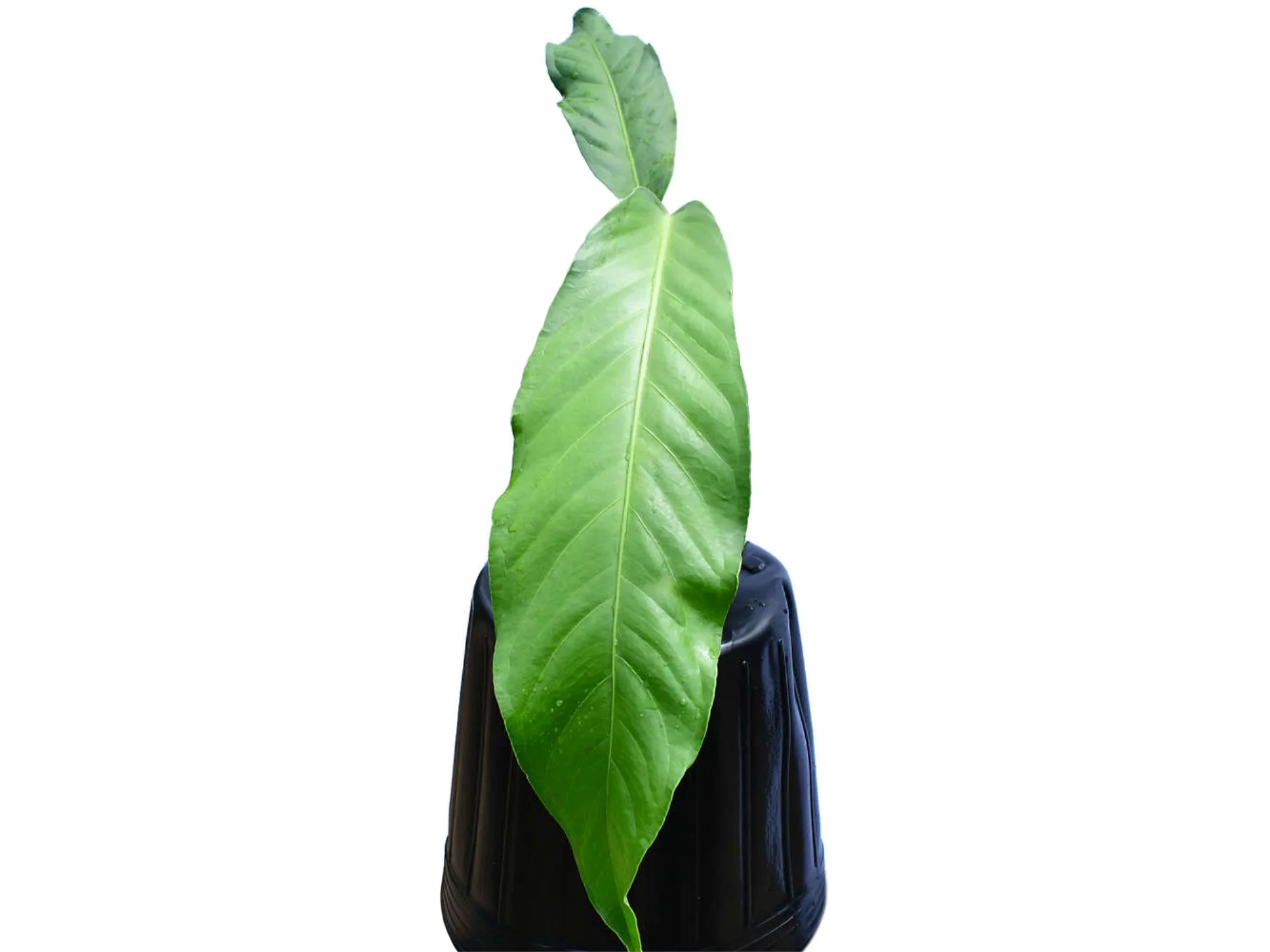
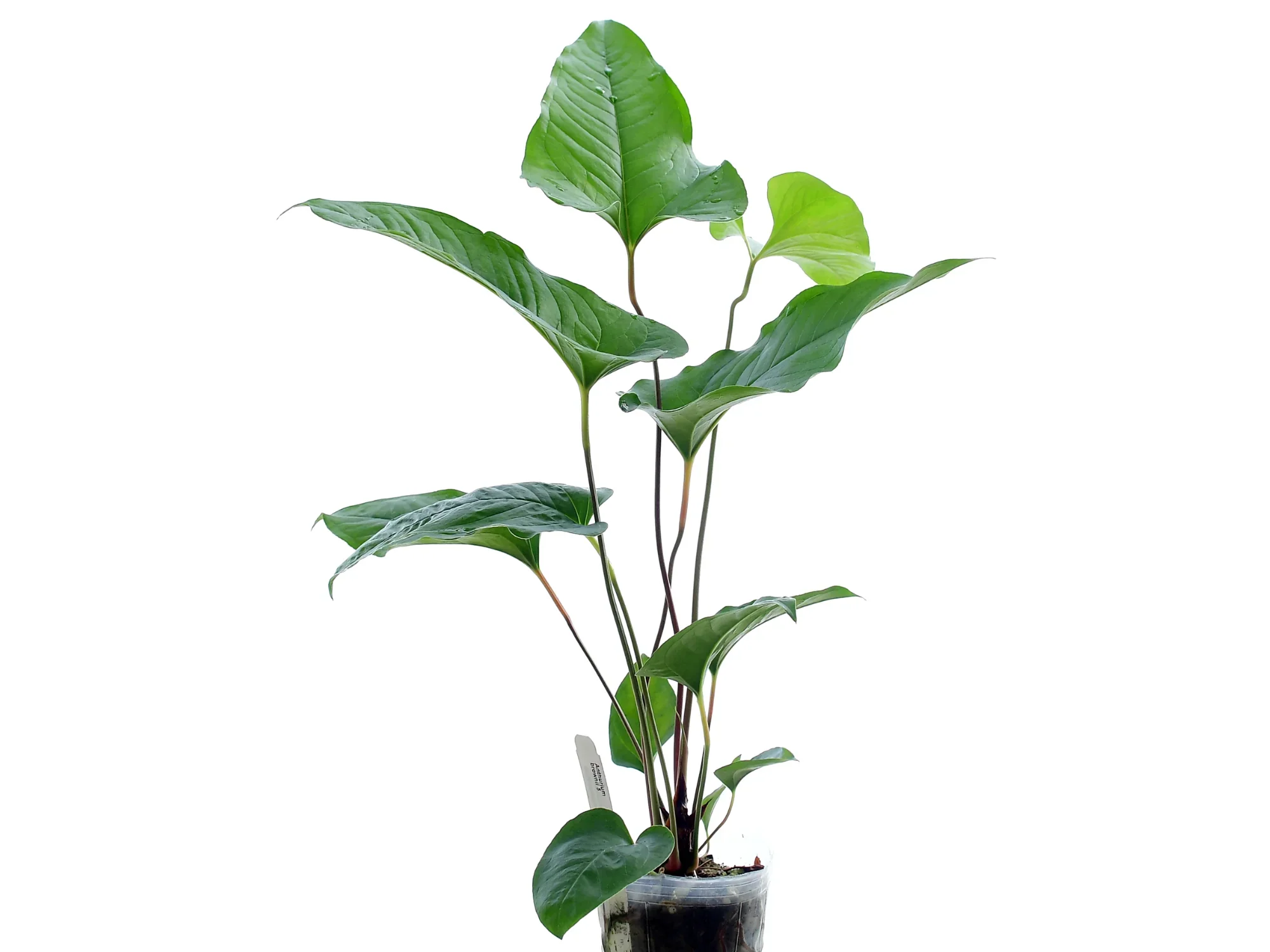
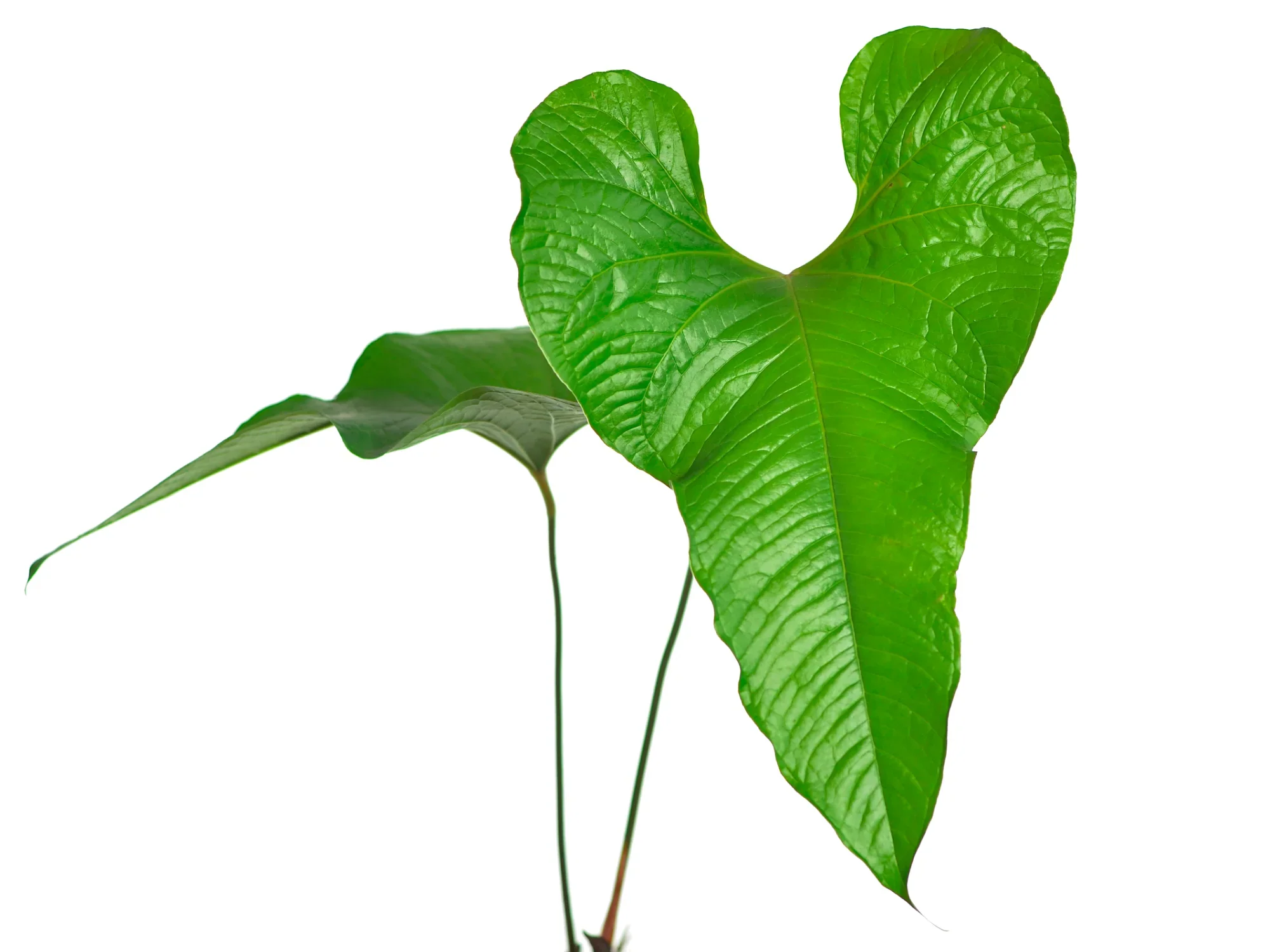
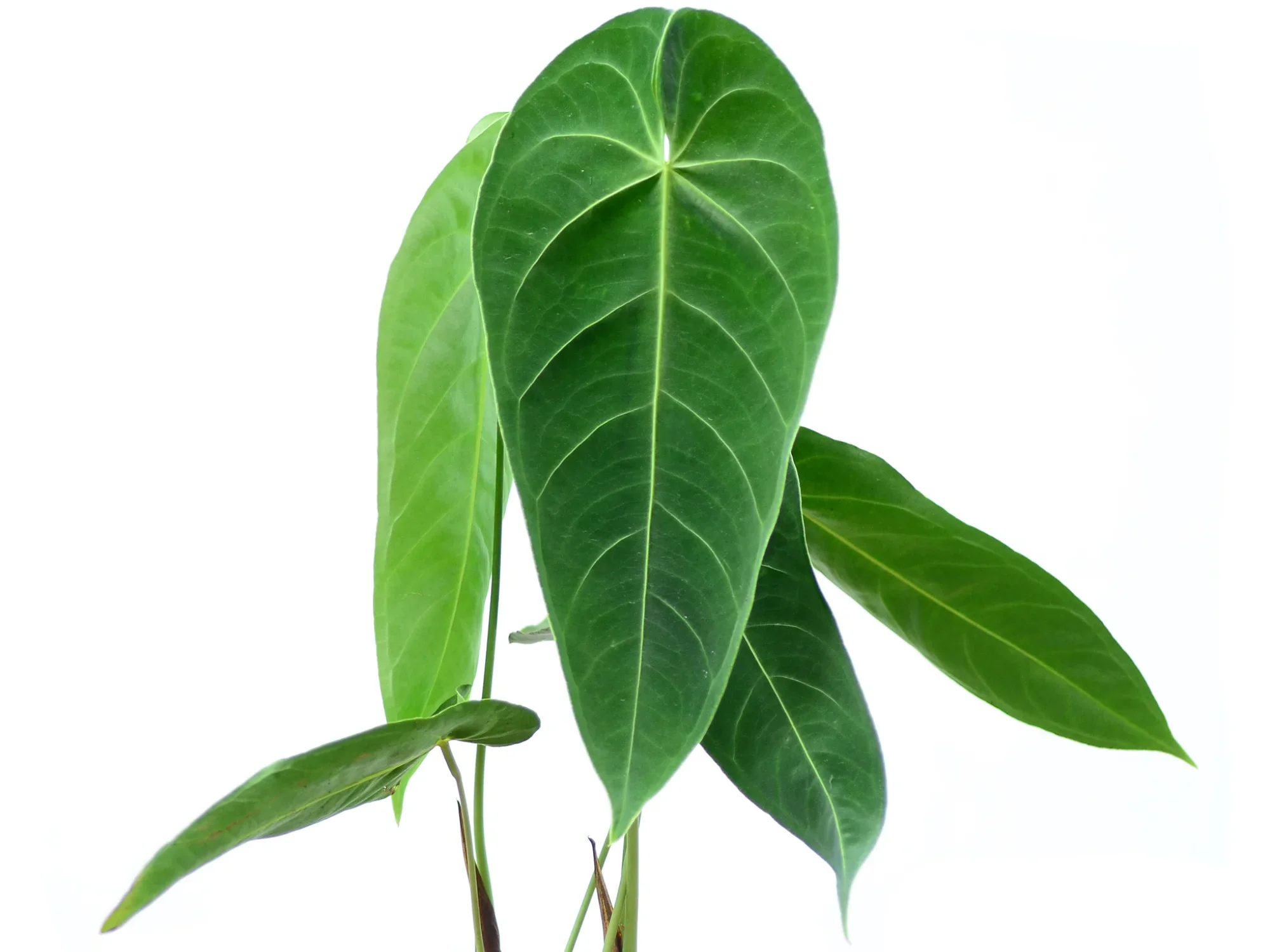
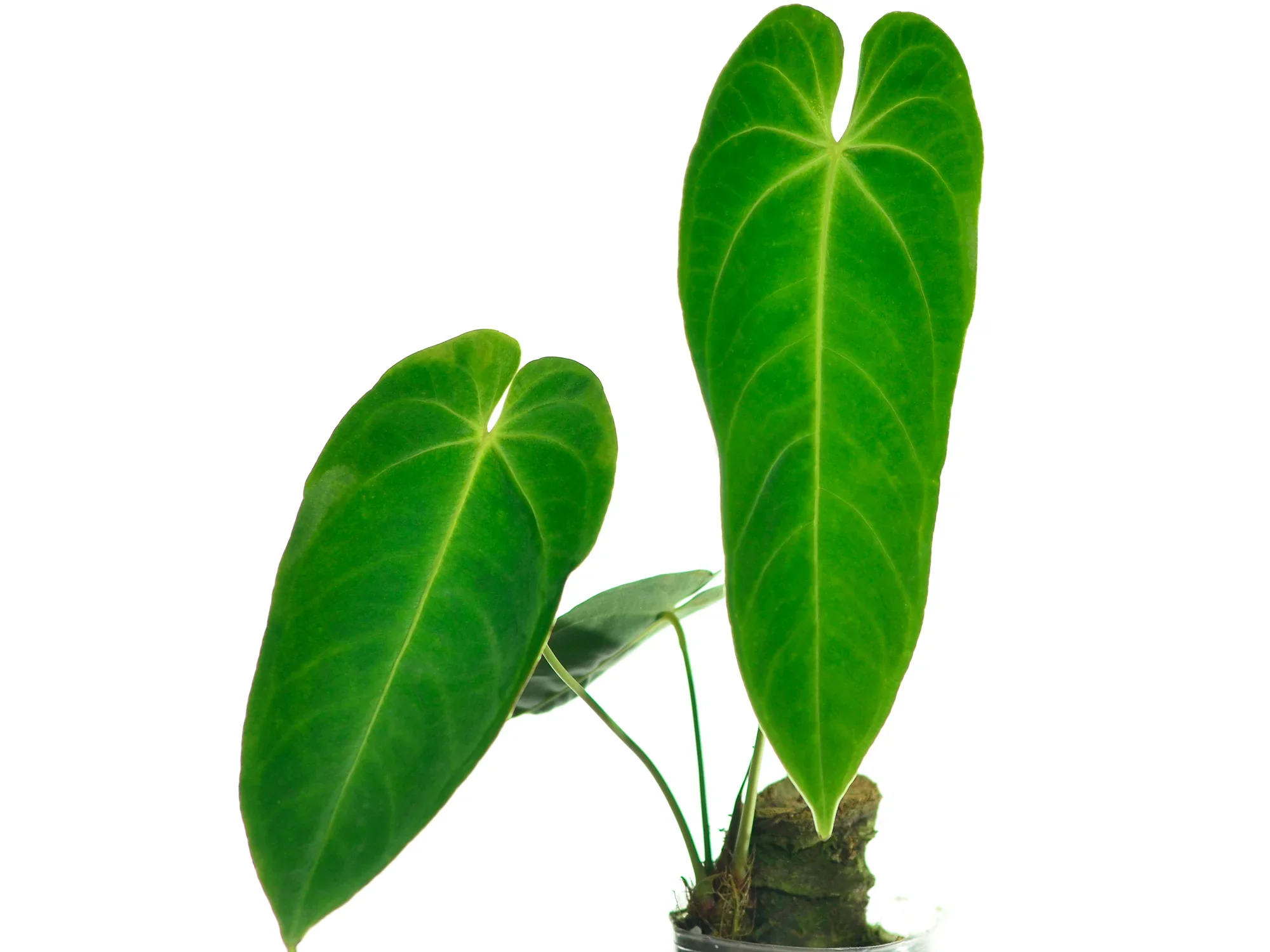
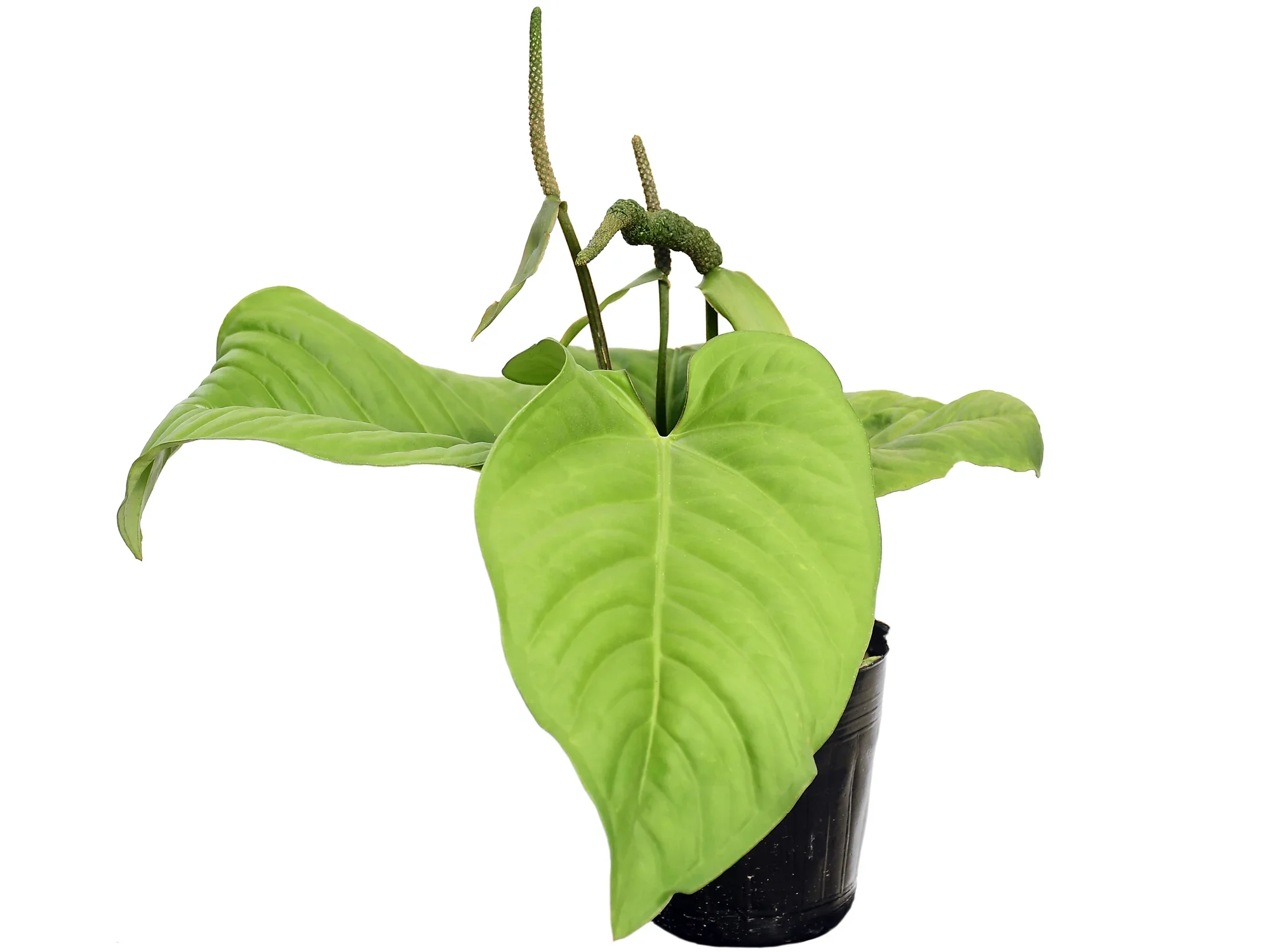
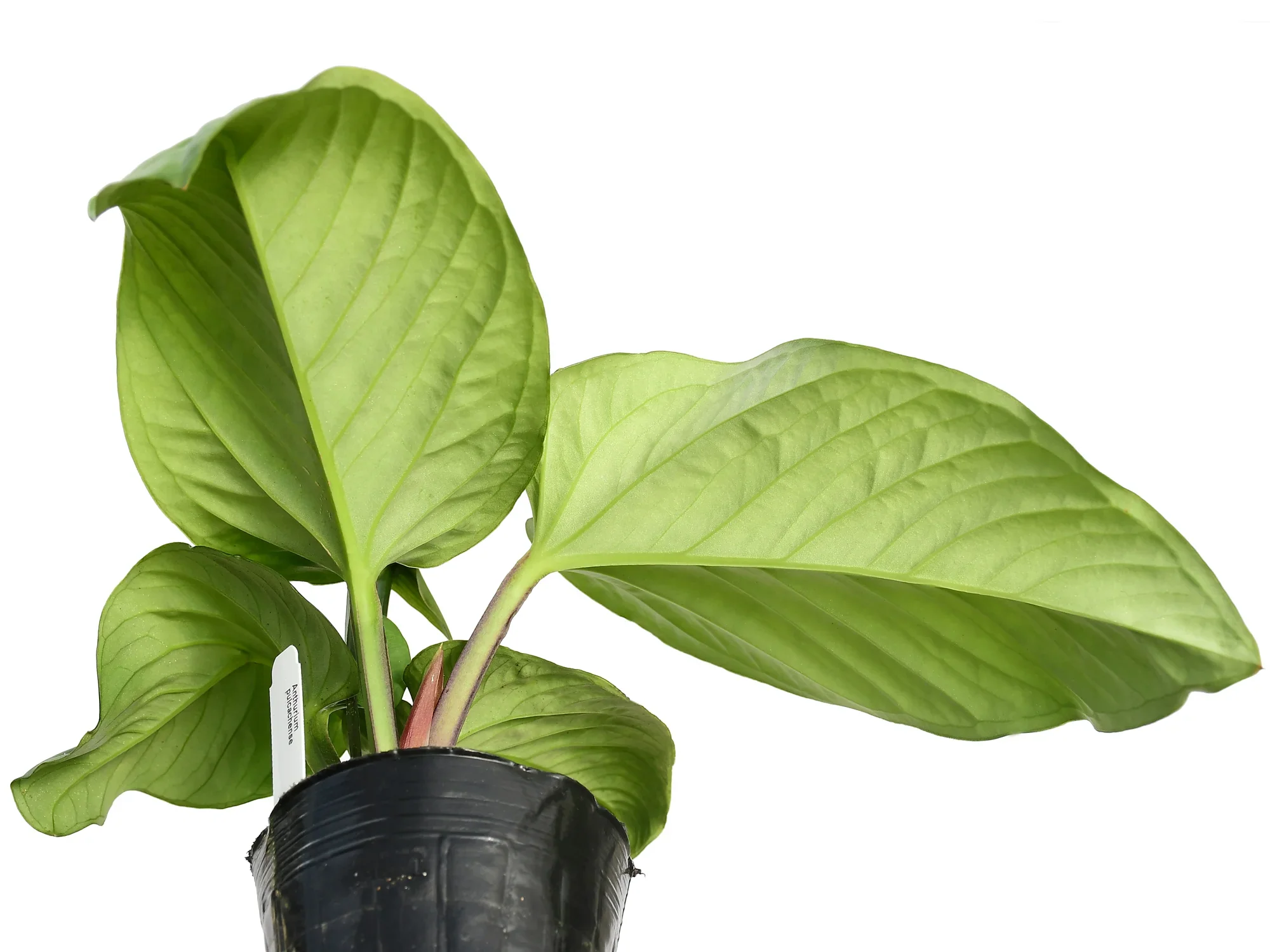
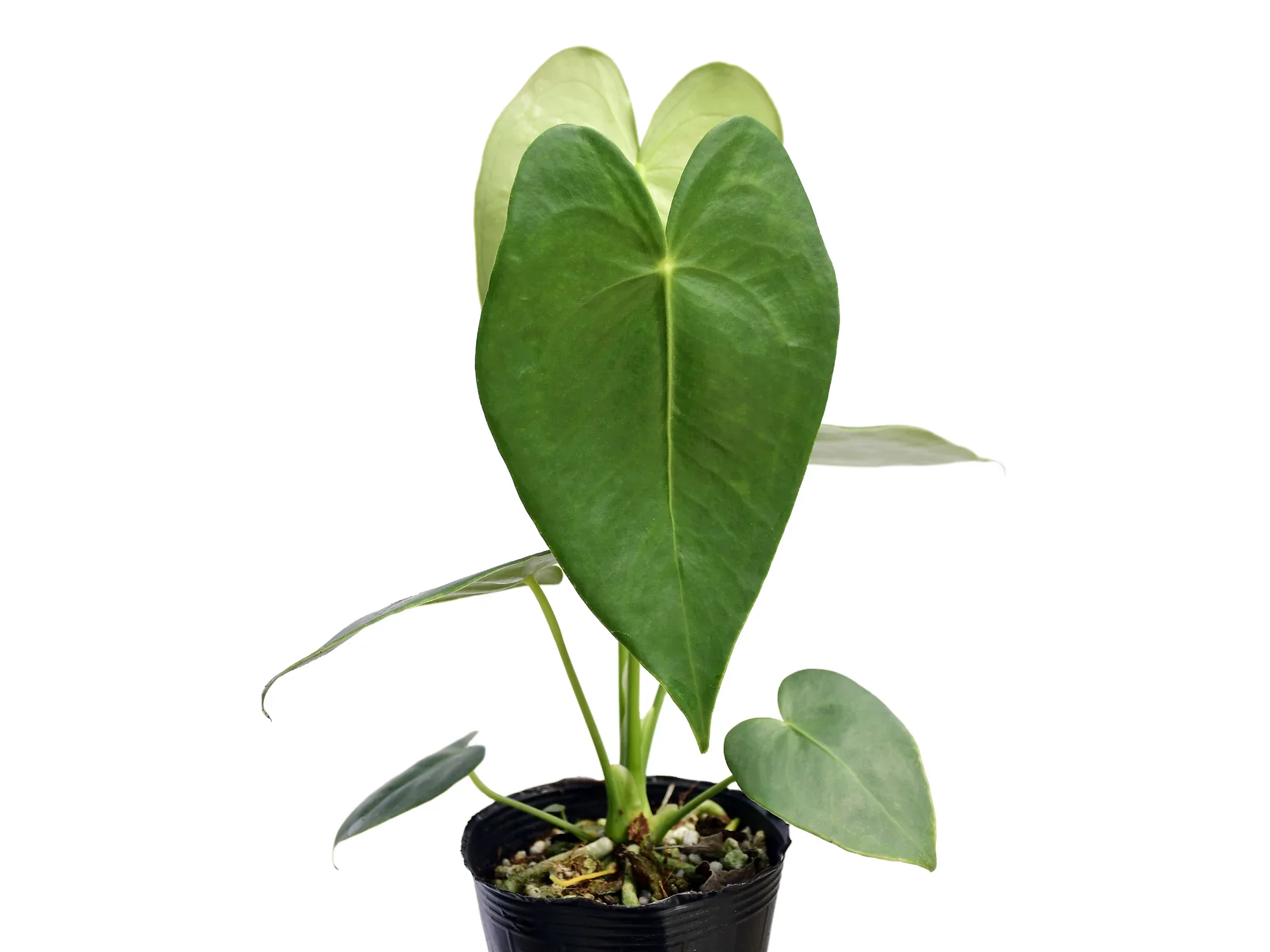
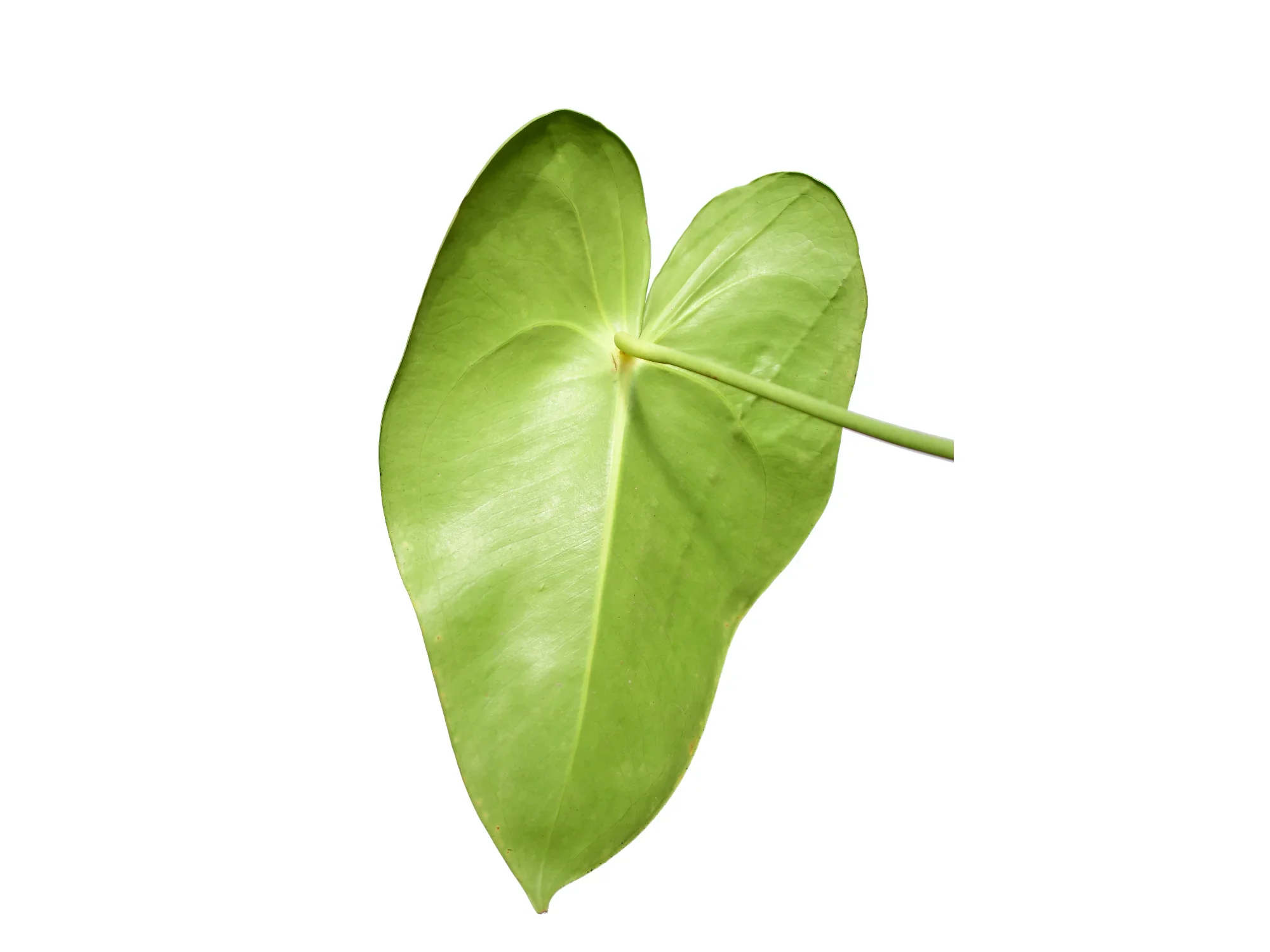
- Features large, heart-shaped leaves with smooth surfaces, displaying beautiful color variations from light green in young leaves to deeper green as they mature.
- This epiphytic species produces coral-colored spathes and thrives naturally growing on trees in tropical forests.
$6.90
Original: $23.00
-70%Anthurium corallinum—
$23.00
$6.90Product Information
Product Information
Shipping & Returns
Shipping & Returns
Description
Anthurium corallinum Culture
Successful cultivation of Anthurium corallinum requires attention to the following aspects:
- Light: Prefers bright, indirect light. Avoid direct sunlight, which can scorch the leaves.
- Temperature: Thrives in warm, humid temperatures typical of tropical climates. Ideal temperatures range between 18°C and 27°C (64°F and 80°F).
- Humidity: Requires high ambient humidity. The use of humidifiers, frequent misting, or cultivation in terrariums may be necessary.
- Watering: Keep the substrate consistently moist, but not waterlogged. Ensure good drainage to prevent root rot.
- Substrate: Prefers a well-draining, airy substrate, rich in organic material.
Additional Notes:
- Features large, heart-shaped leaves with smooth surfaces, displaying beautiful color variations from light green in young leaves to deeper green as they mature.
- This epiphytic species produces coral-colored spathes and thrives naturally growing on trees in tropical forests.