🚚 Free Worldwide Shipping on All Orders!Shop Now

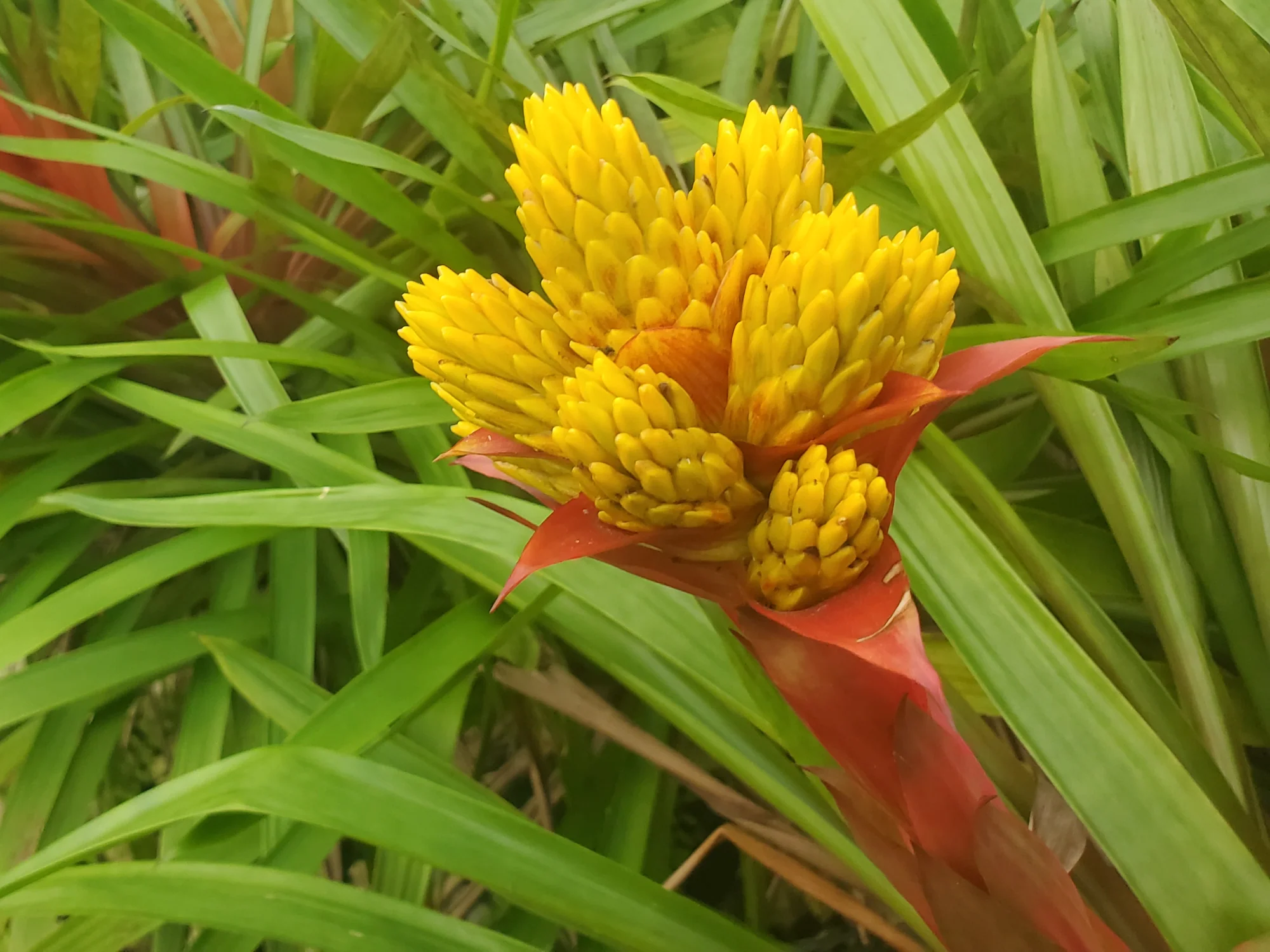
Guzmania conifera yellow
Guzmania conifera 'Yellow'
- Light: Prefers bright, indirect light. It thrives in filtered sunlight, similar to the dappled light of its native forest canopy.
- Temperature: Enjoys warm to intermediate temperatures. Ideal daytime temperatures range between 20-29°C (68-85°F), with nighttime temperatures around 16-21°C (60-70°F). Protect from cold drafts.
- Humidity: Requires high humidity, ideally between 60-80%.
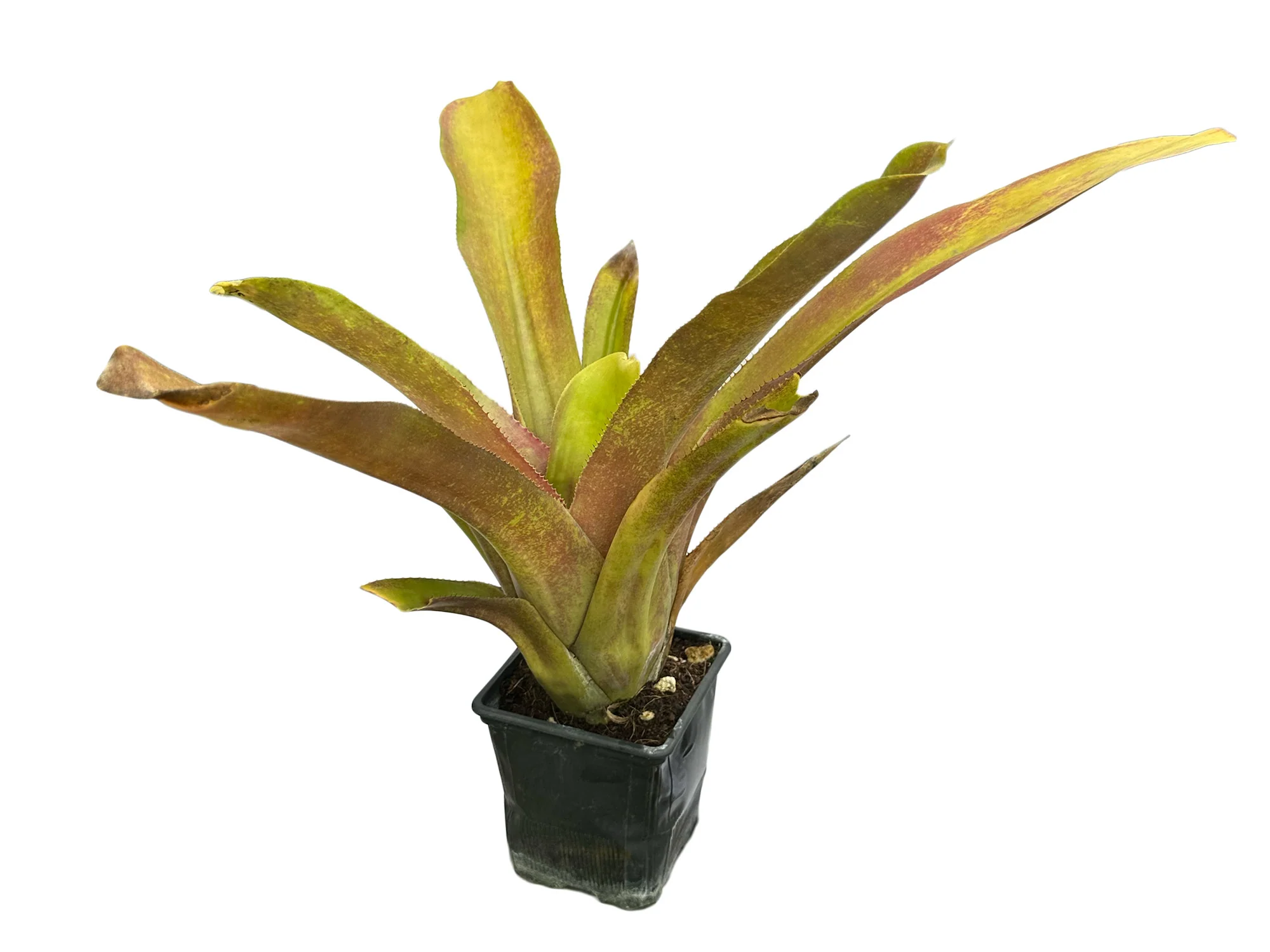
- Watering: Water the plant by filling the central tank (rosette) with water, ensuring it is always about 1/4 to 1/2 full. Use rainwater or distilled water to avoid mineral buildup.
Additional Notes
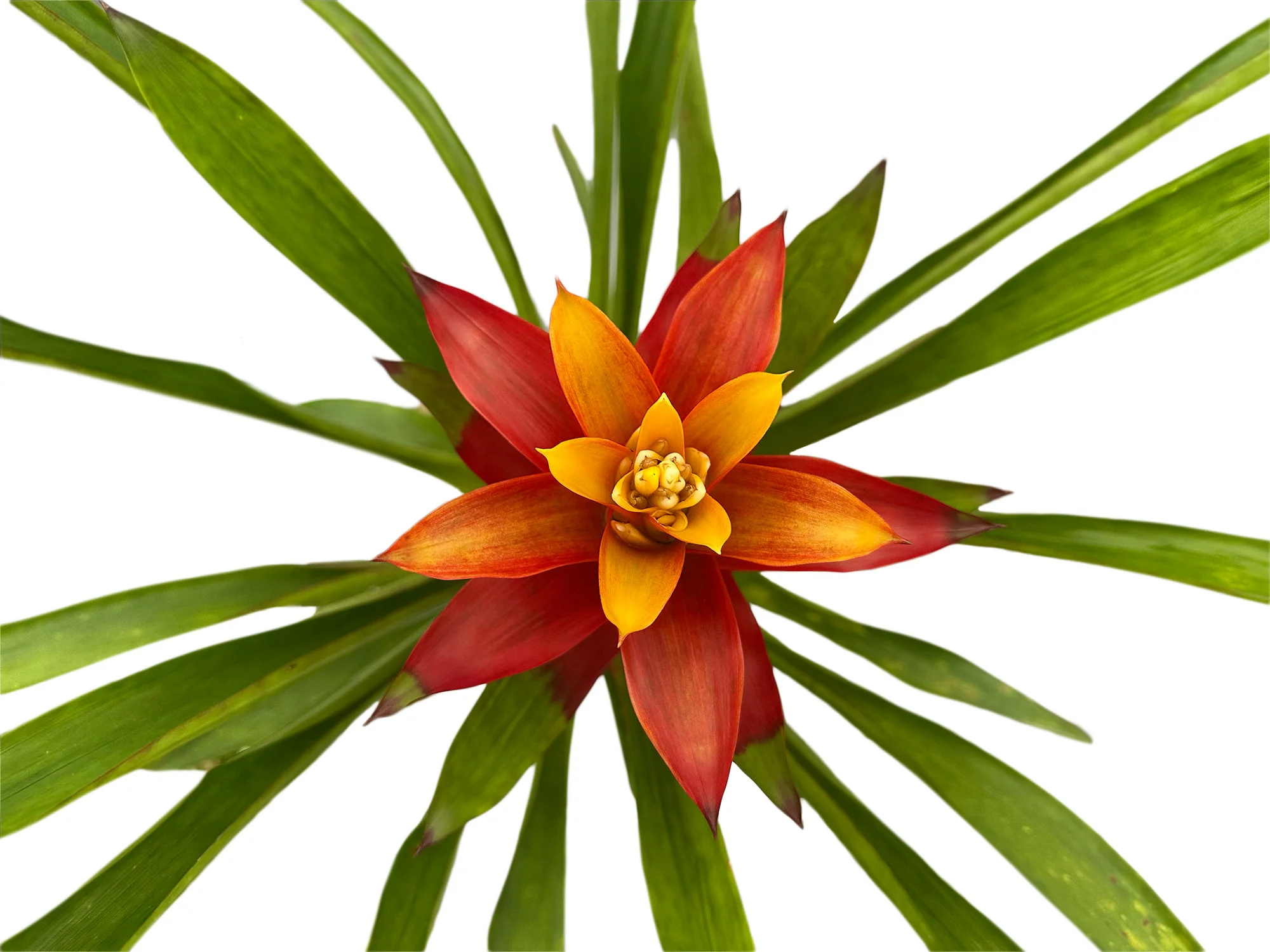
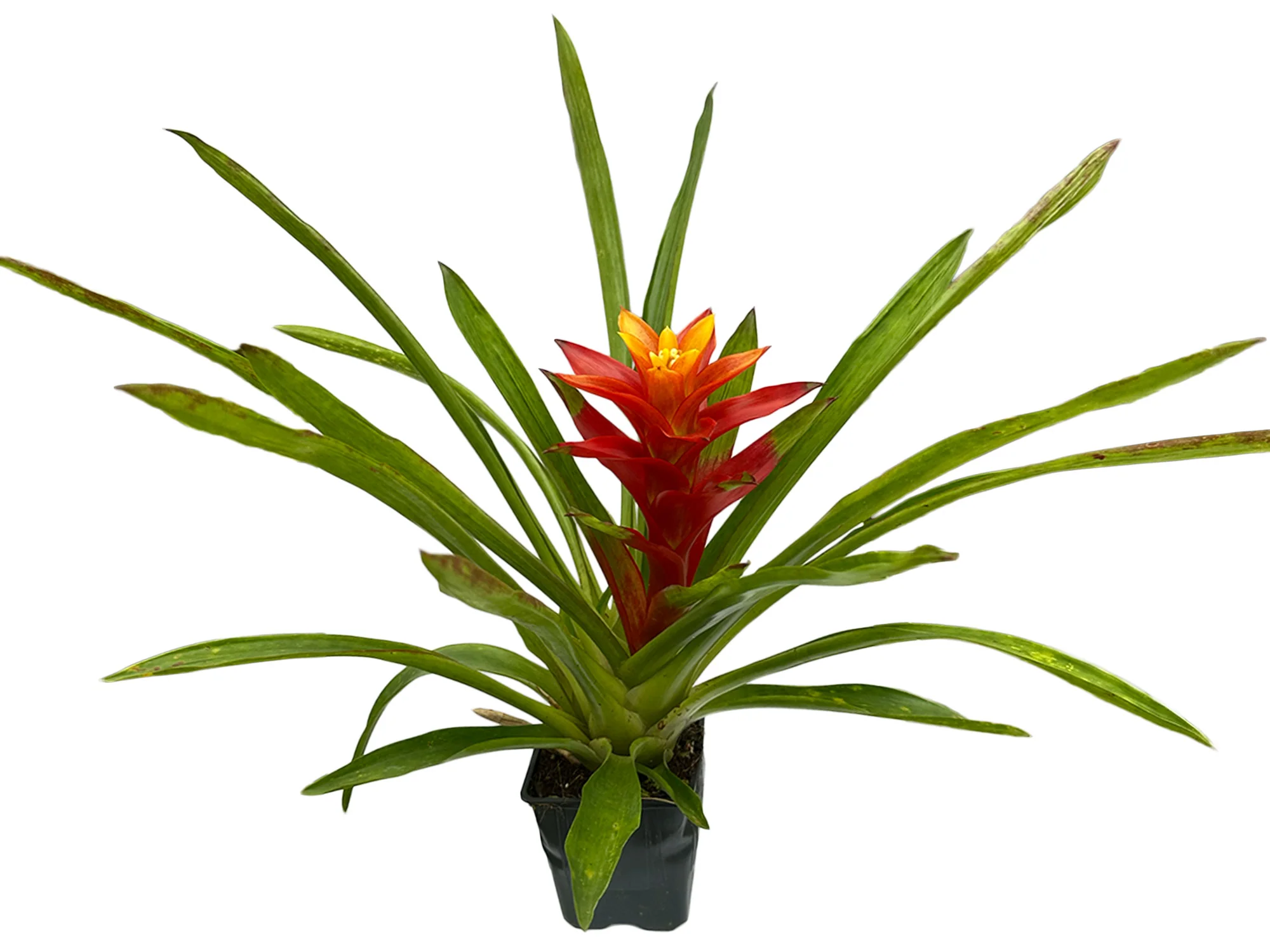
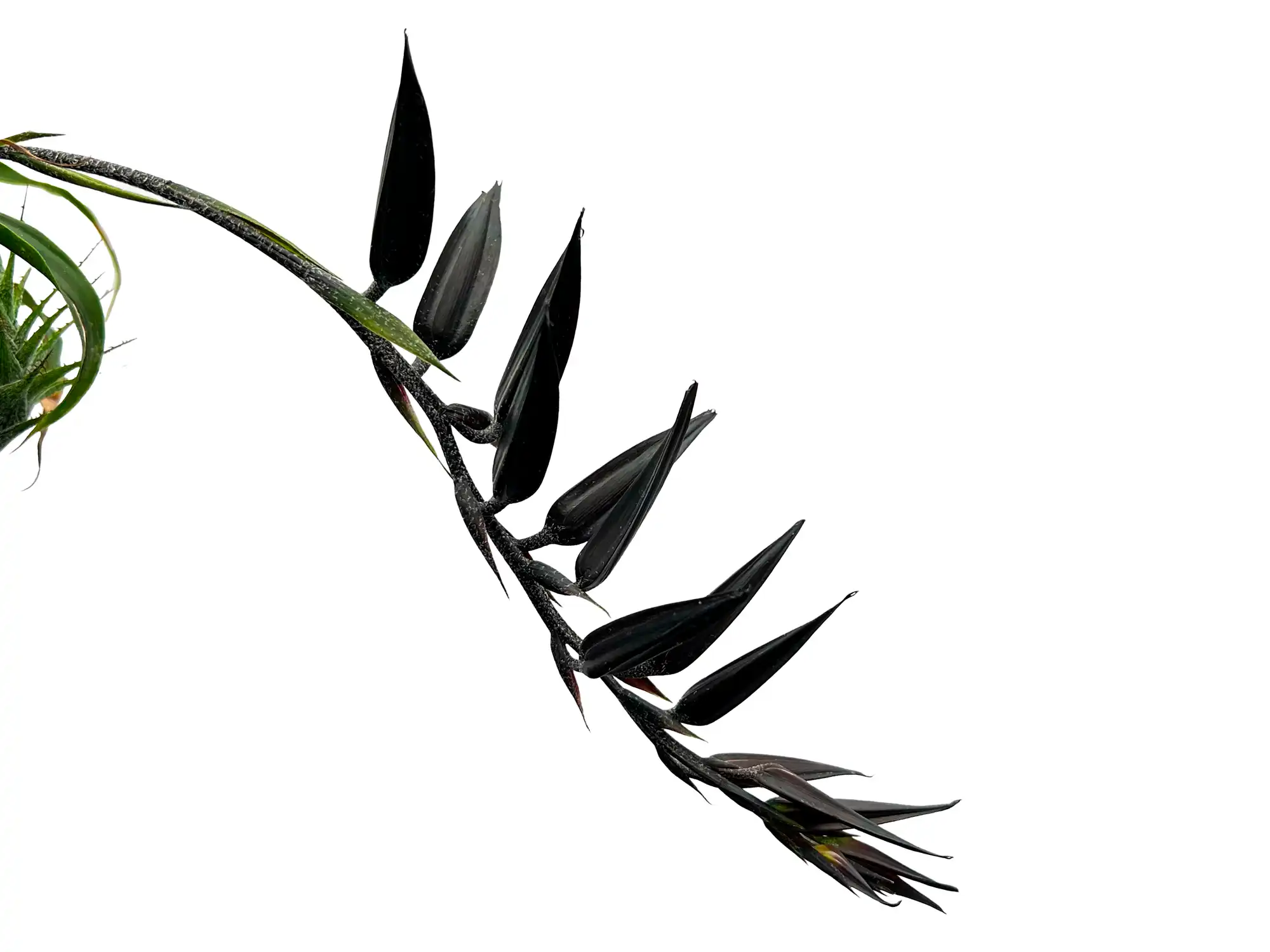
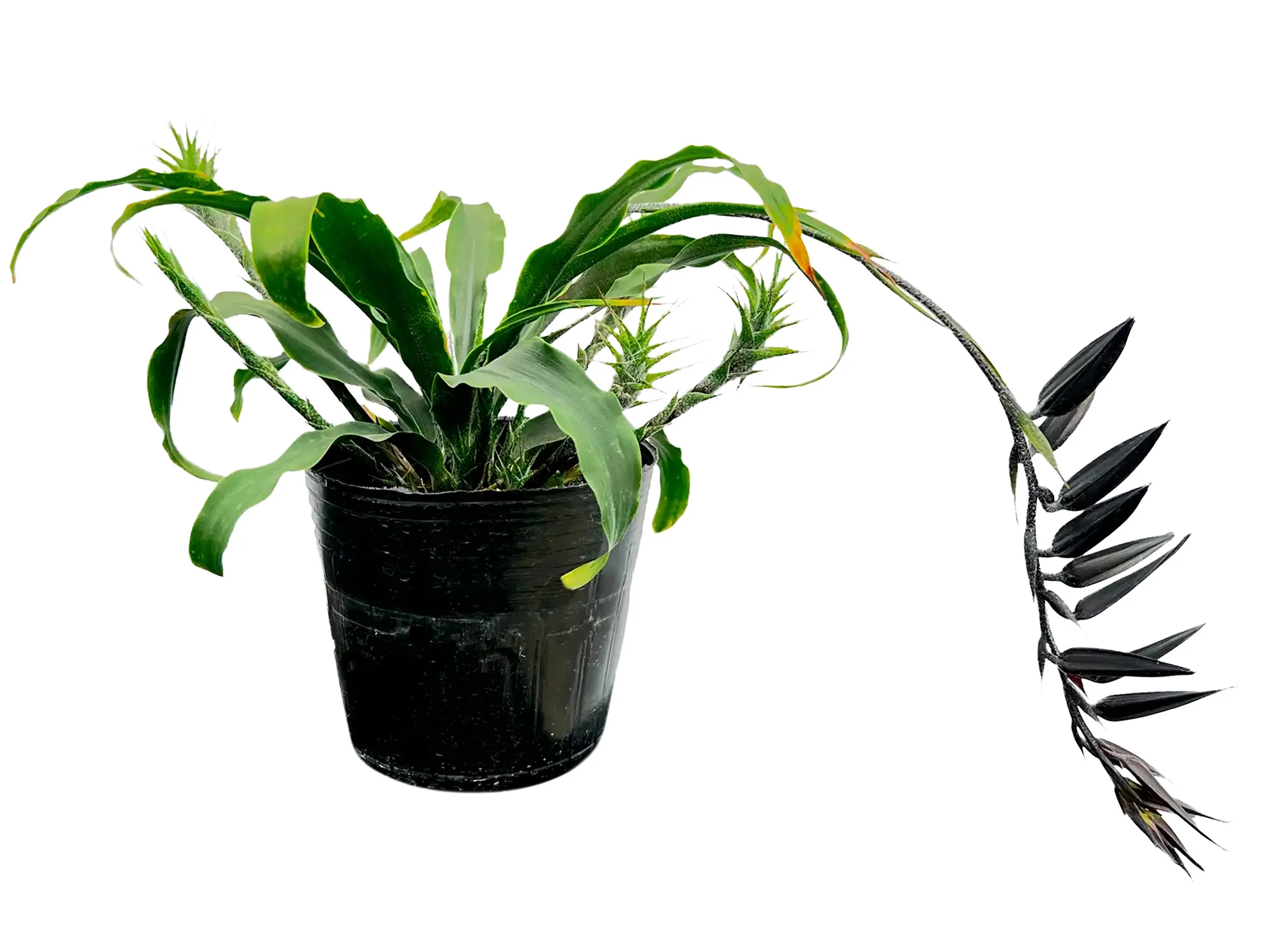
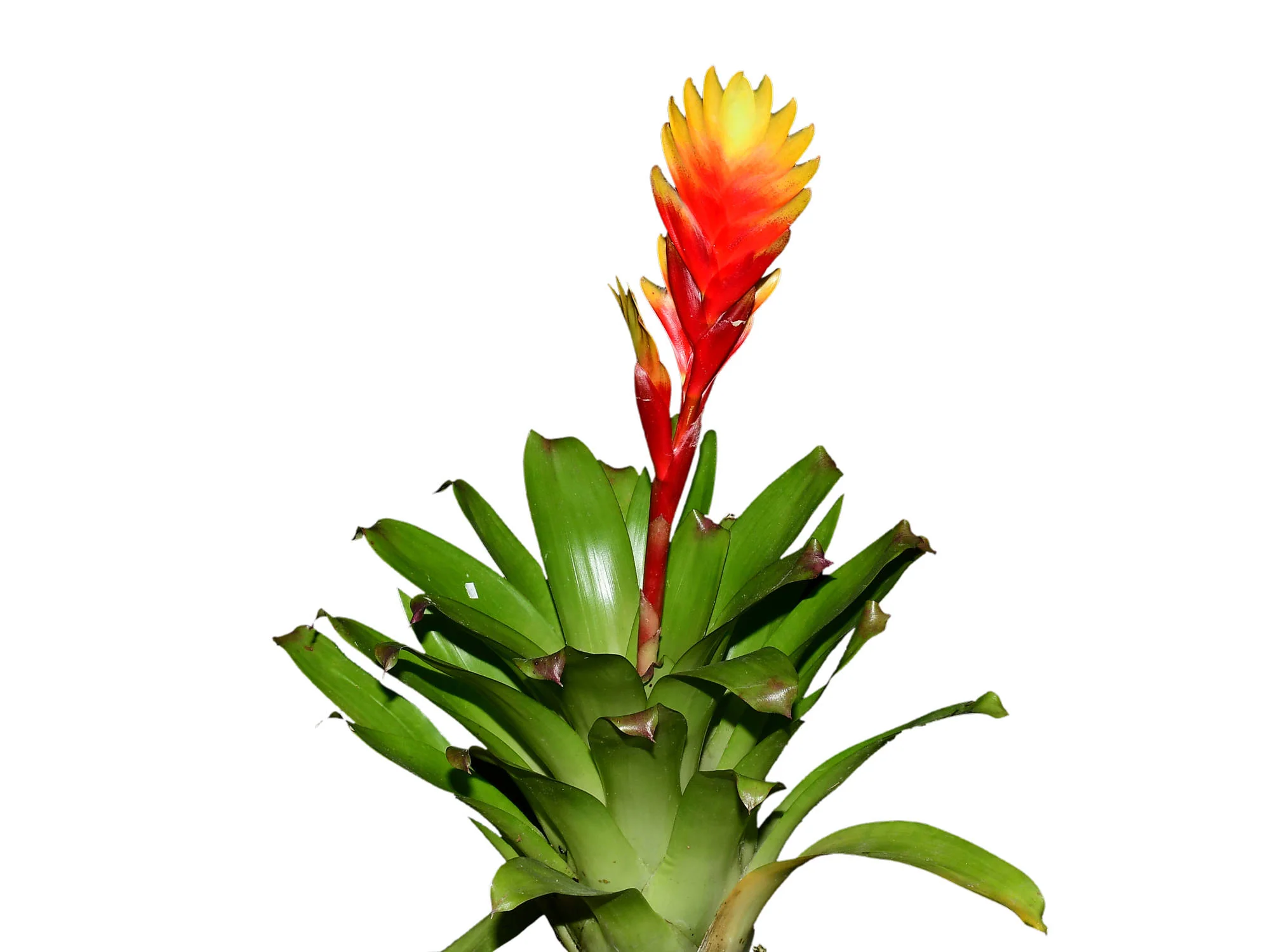
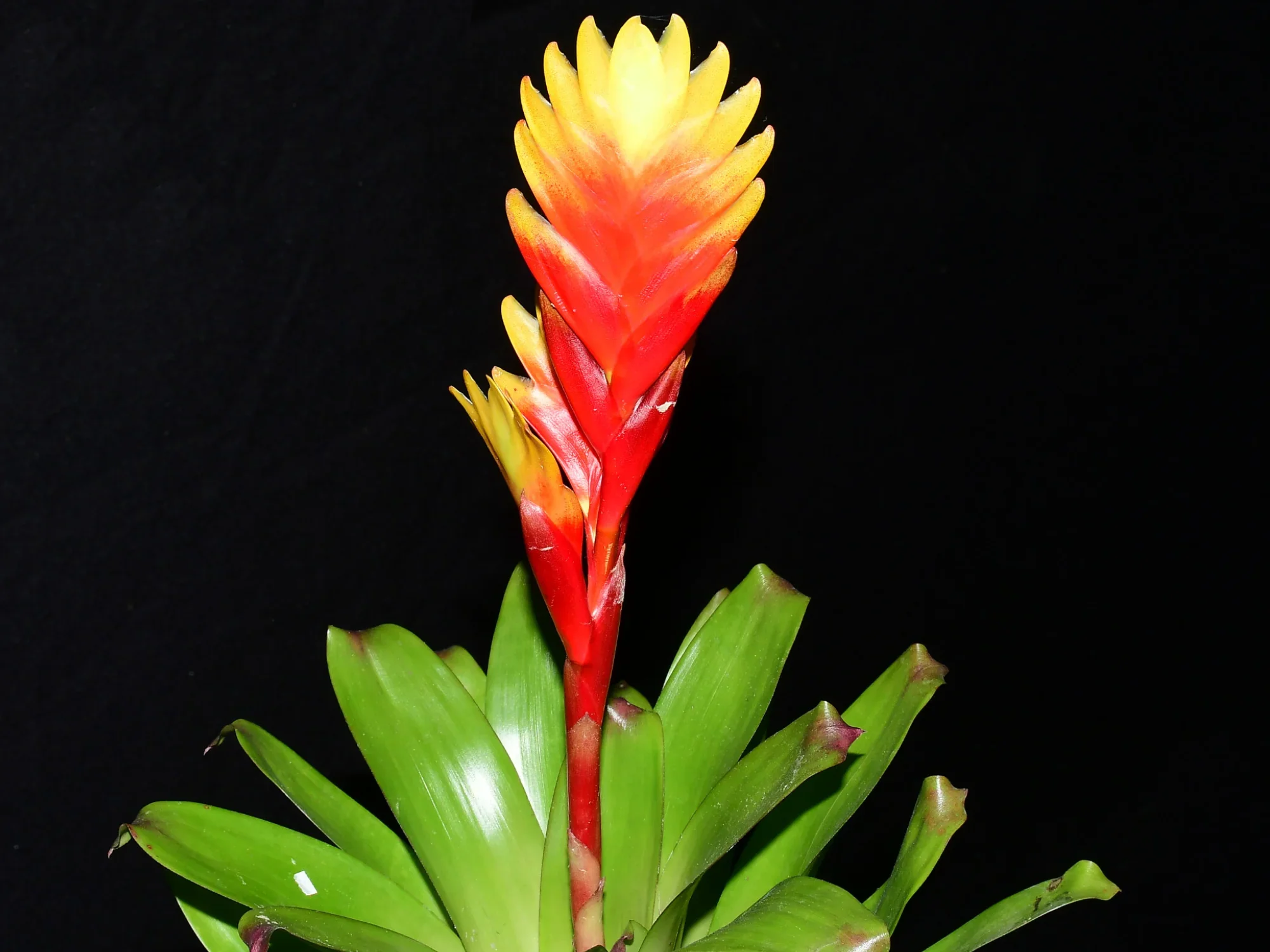
- Distinctive Inflorescence: The common name "conifera" refers to its cone-shaped inflorescence. In the 'Yellow' cultivar, this striking structure will be a brilliant yellow, emerging from the center of the plant's leafy rosette.
- Epiphytic Nature: Like many Guzmania species, it is primarily an epiphyte, meaning it naturally grows on trees in its native habitat.
$32.00
Guzmania conifera yellow—
$32.00
Product Information
Product Information
Shipping & Returns
Shipping & Returns
Description
Guzmania conifera 'Yellow'
- Light: Prefers bright, indirect light. It thrives in filtered sunlight, similar to the dappled light of its native forest canopy.
- Temperature: Enjoys warm to intermediate temperatures. Ideal daytime temperatures range between 20-29°C (68-85°F), with nighttime temperatures around 16-21°C (60-70°F). Protect from cold drafts.
- Humidity: Requires high humidity, ideally between 60-80%.
- Watering: Water the plant by filling the central tank (rosette) with water, ensuring it is always about 1/4 to 1/2 full. Use rainwater or distilled water to avoid mineral buildup.
Additional Notes
- Distinctive Inflorescence: The common name "conifera" refers to its cone-shaped inflorescence. In the 'Yellow' cultivar, this striking structure will be a brilliant yellow, emerging from the center of the plant's leafy rosette.
- Epiphytic Nature: Like many Guzmania species, it is primarily an epiphyte, meaning it naturally grows on trees in its native habitat.