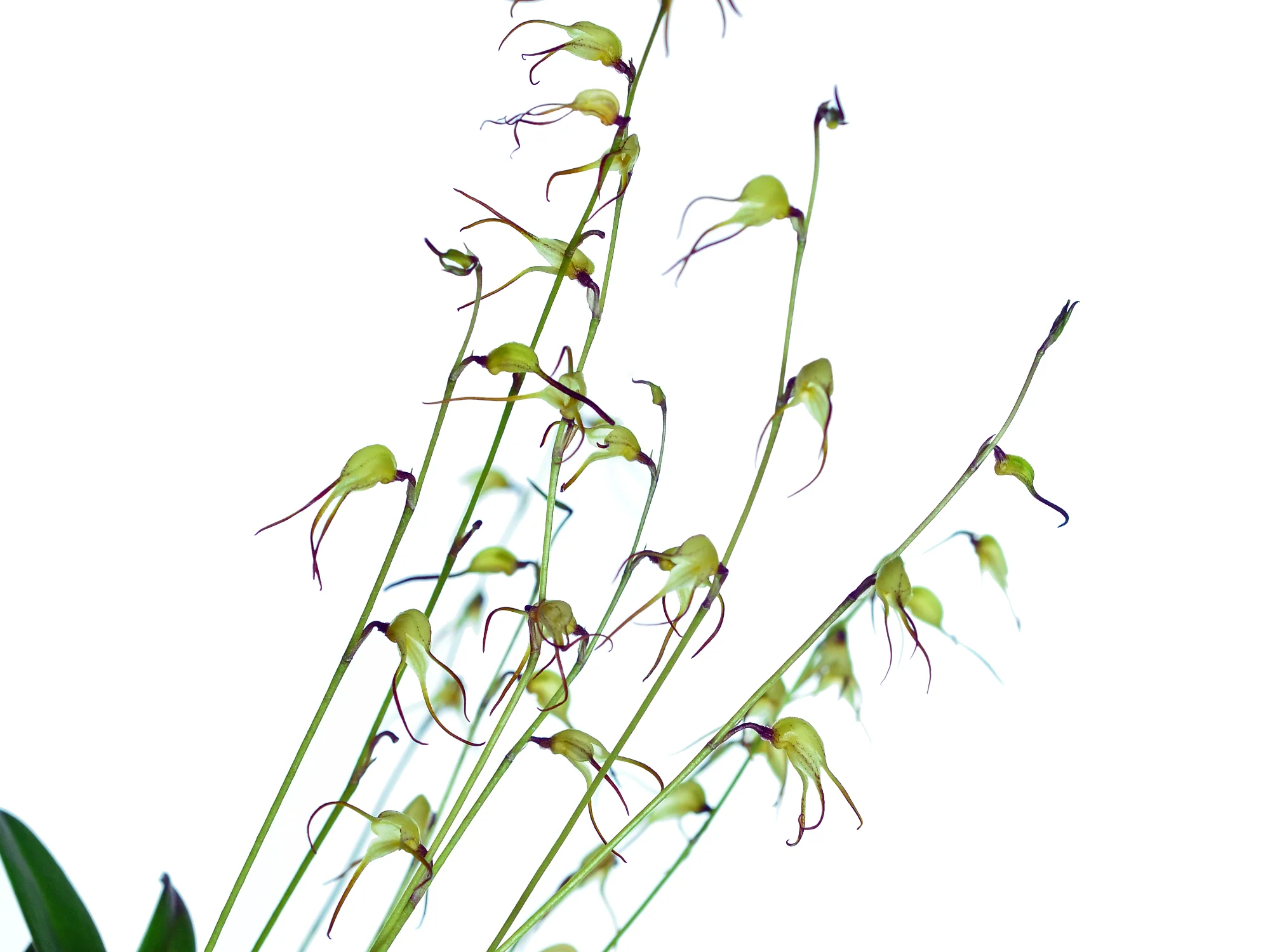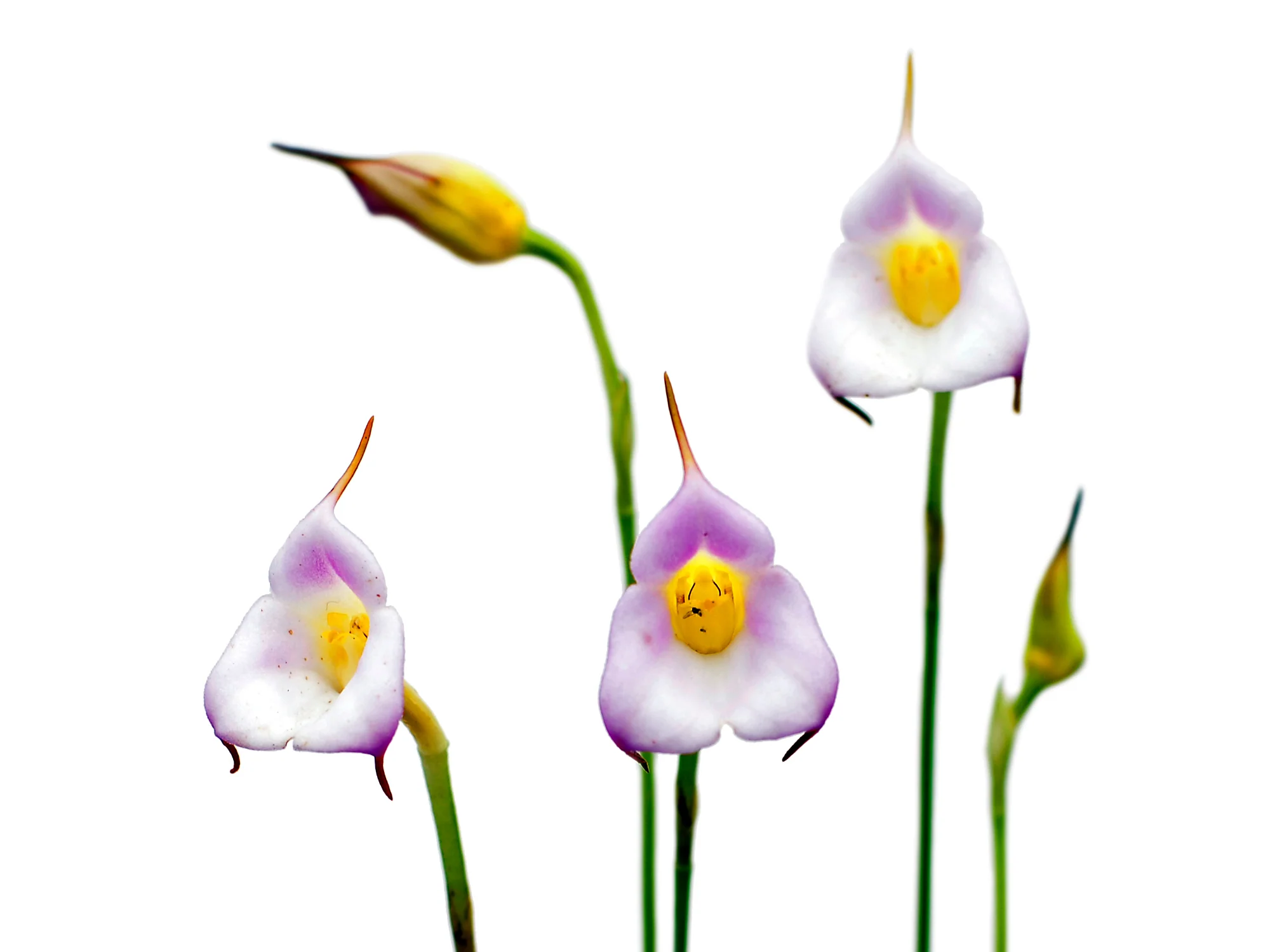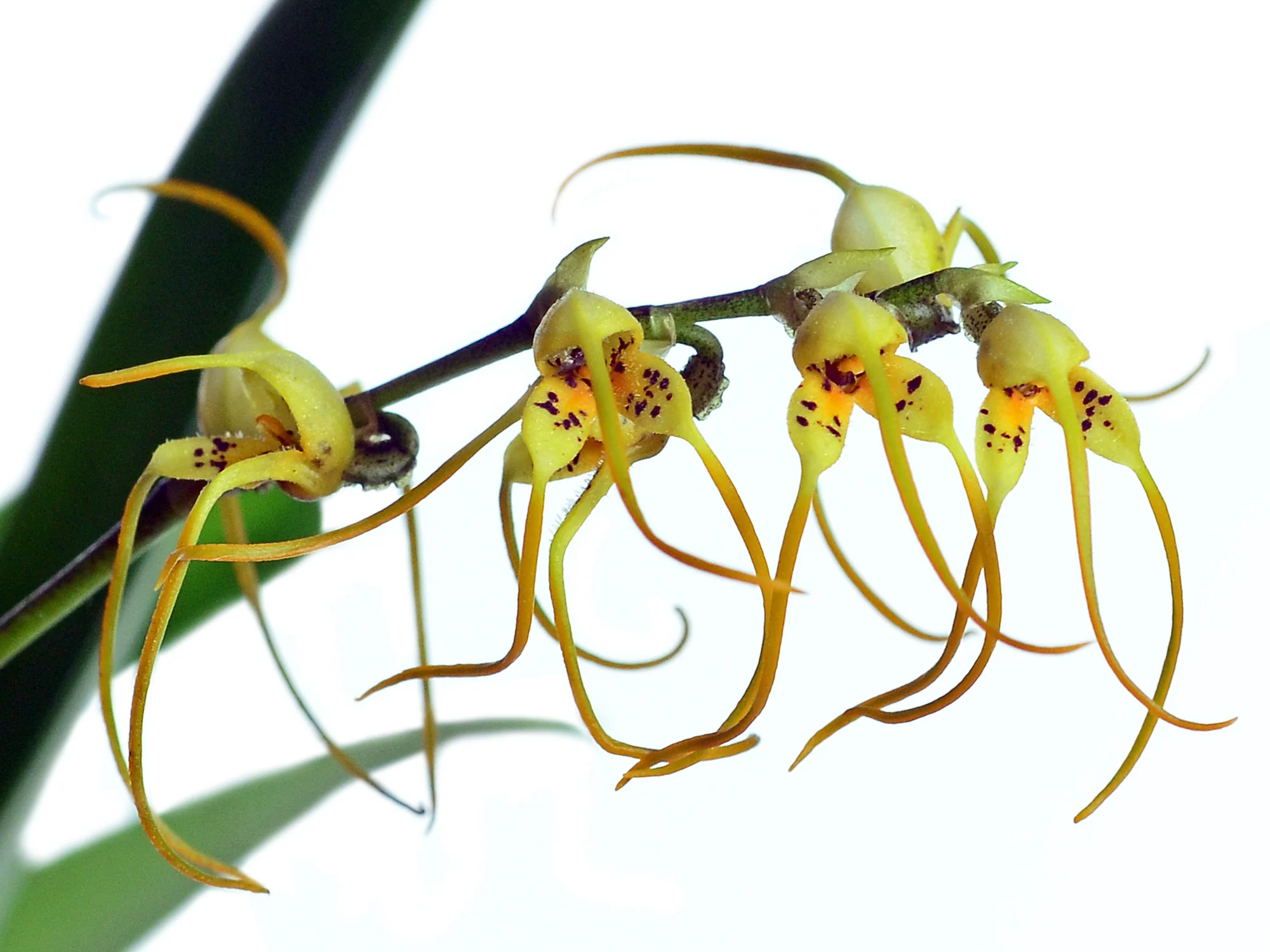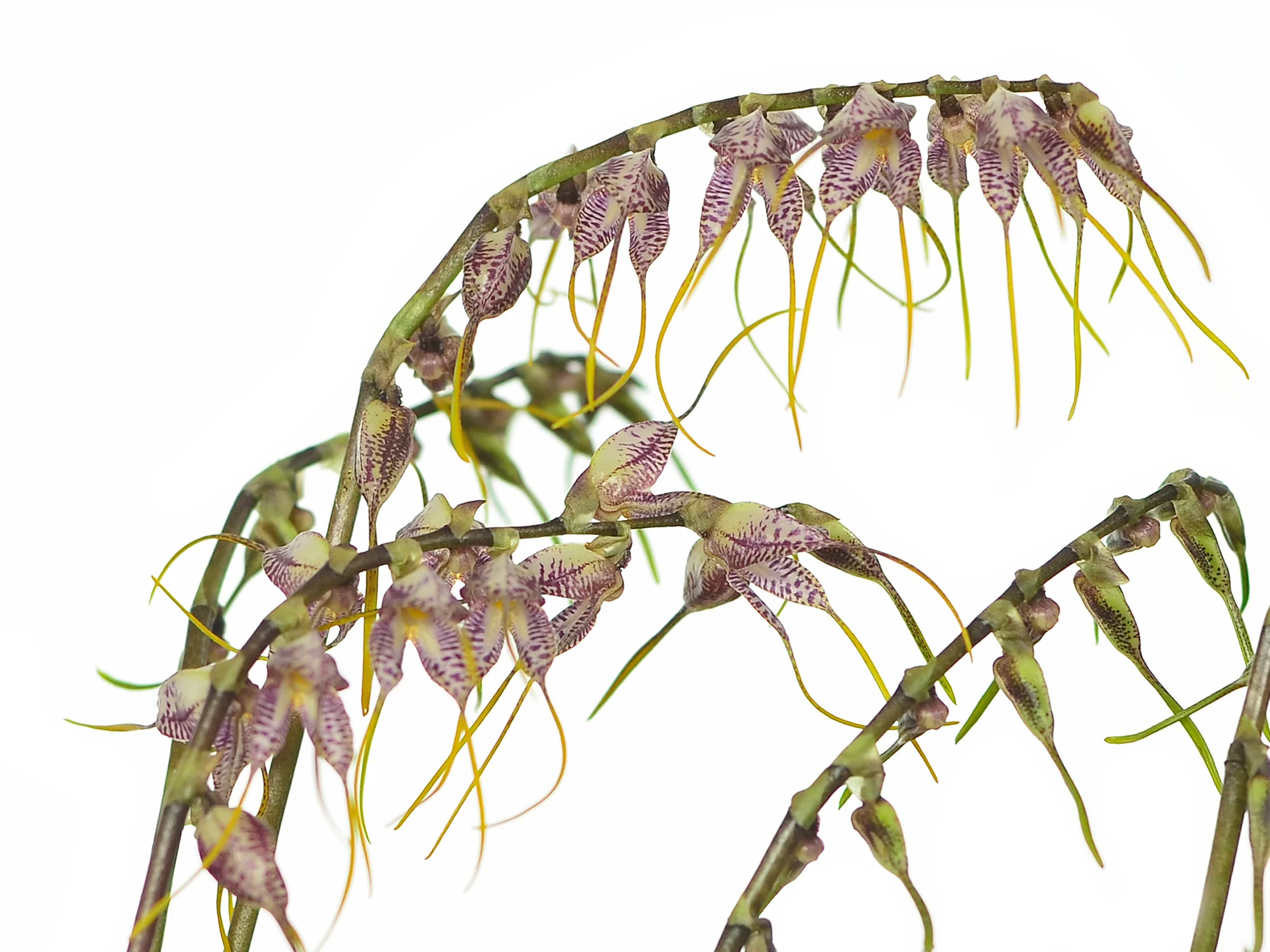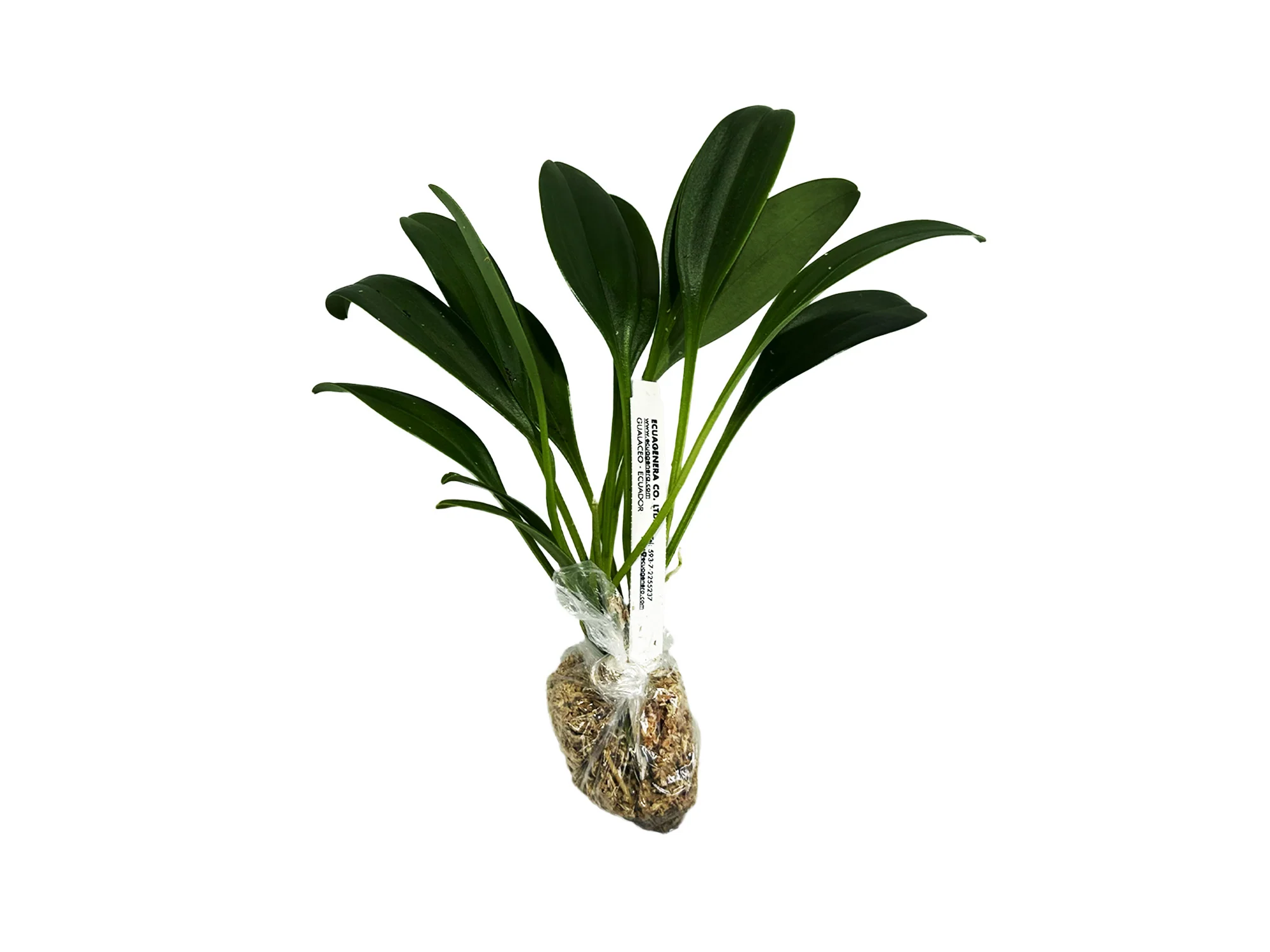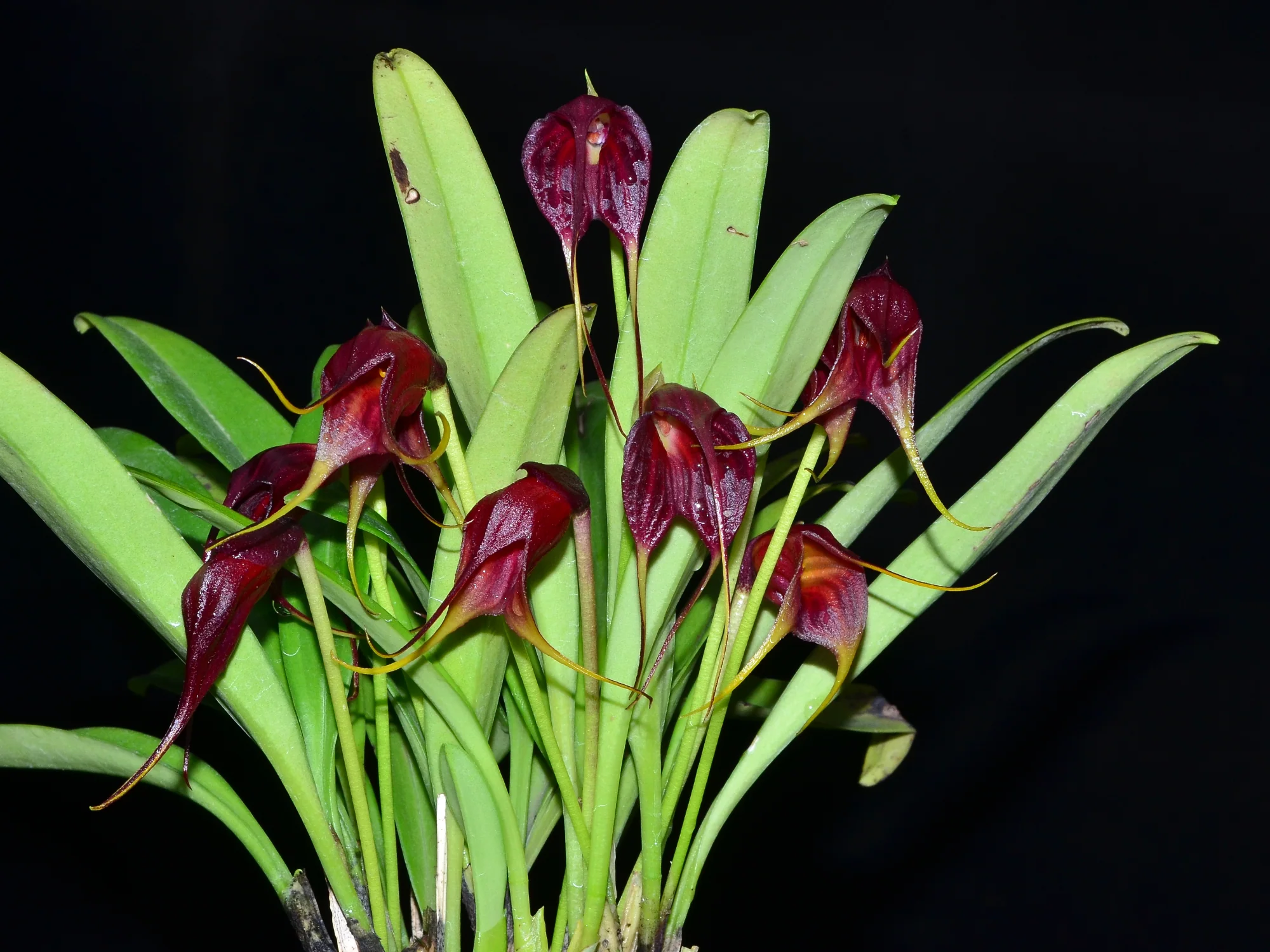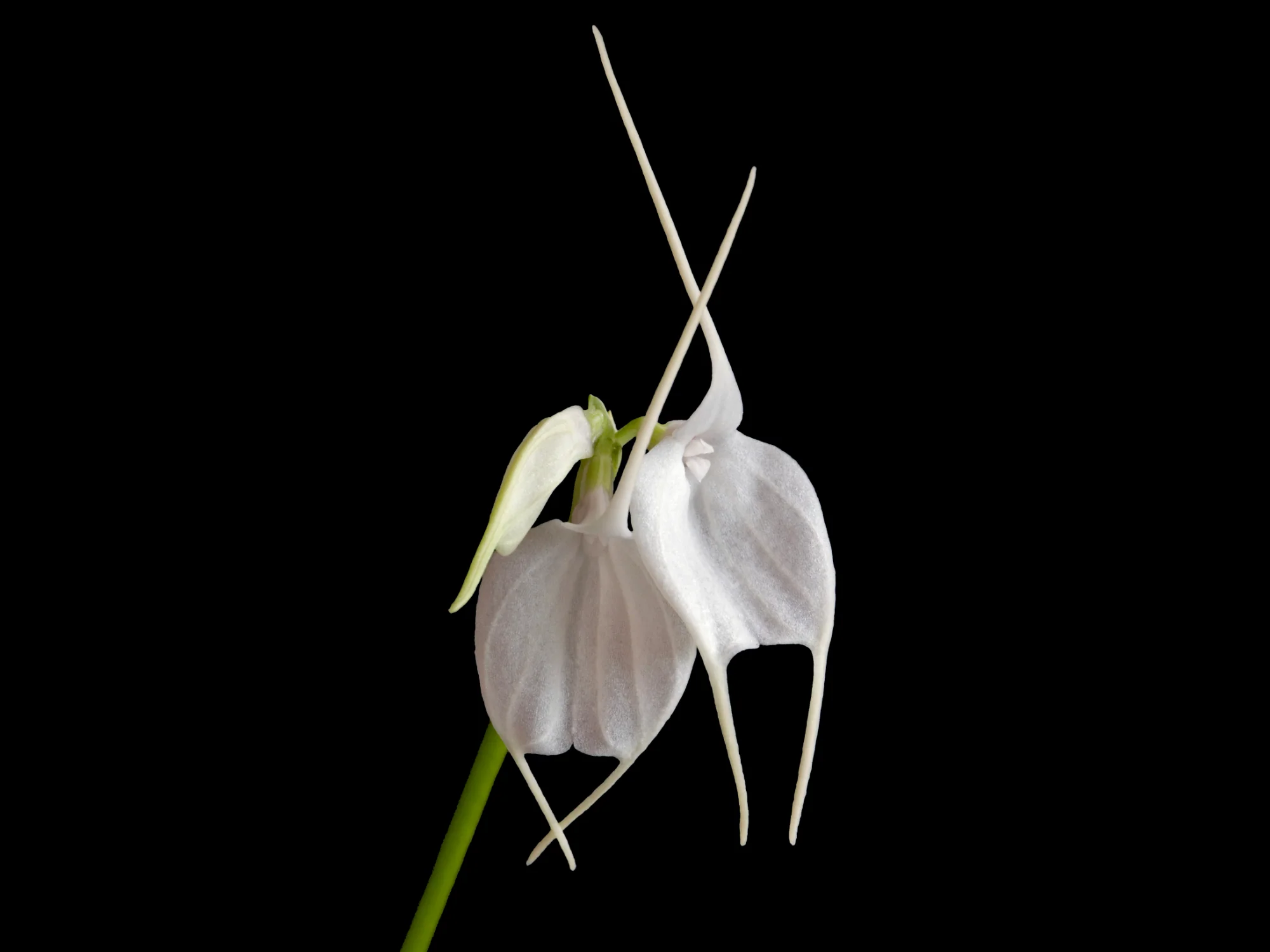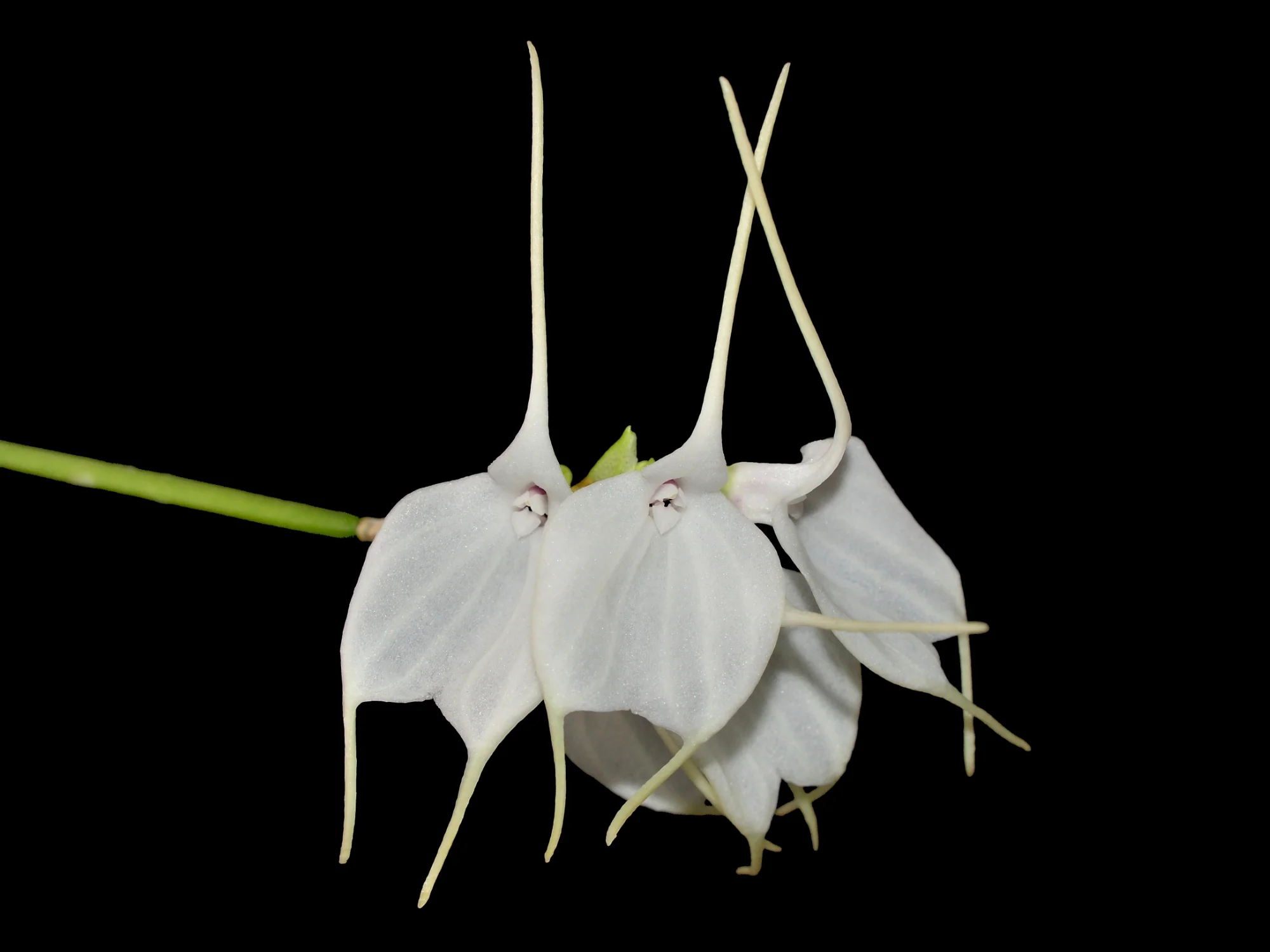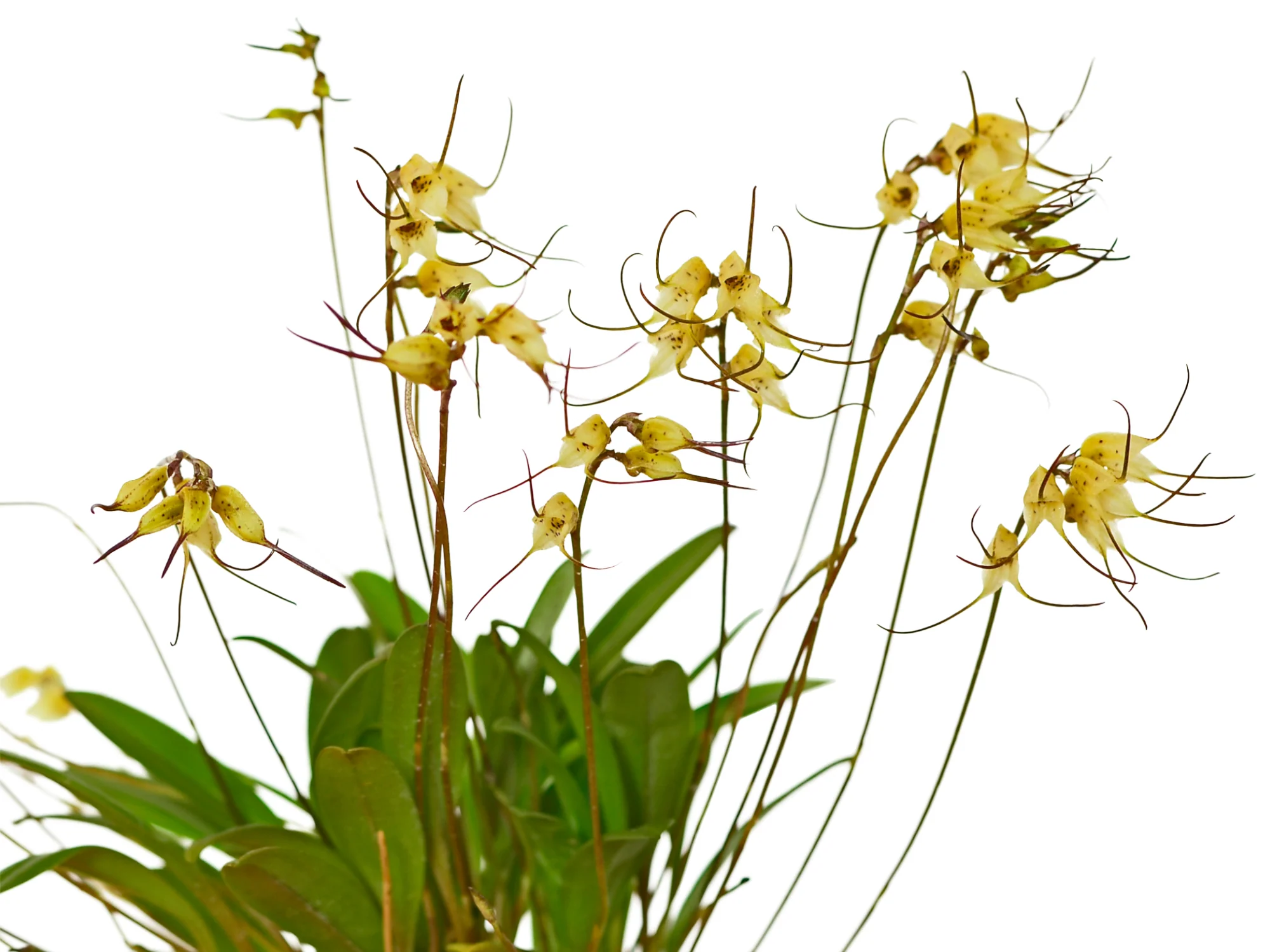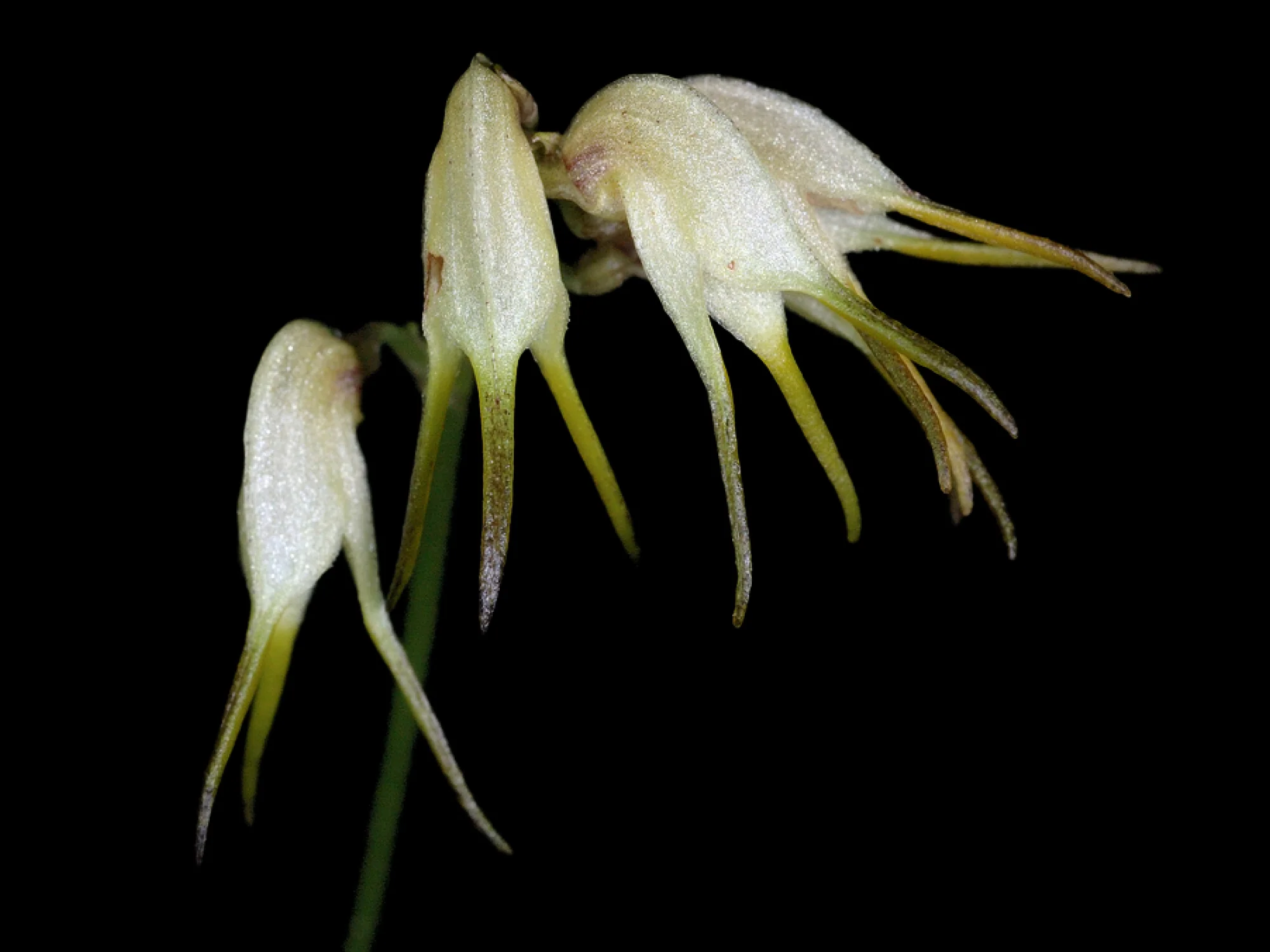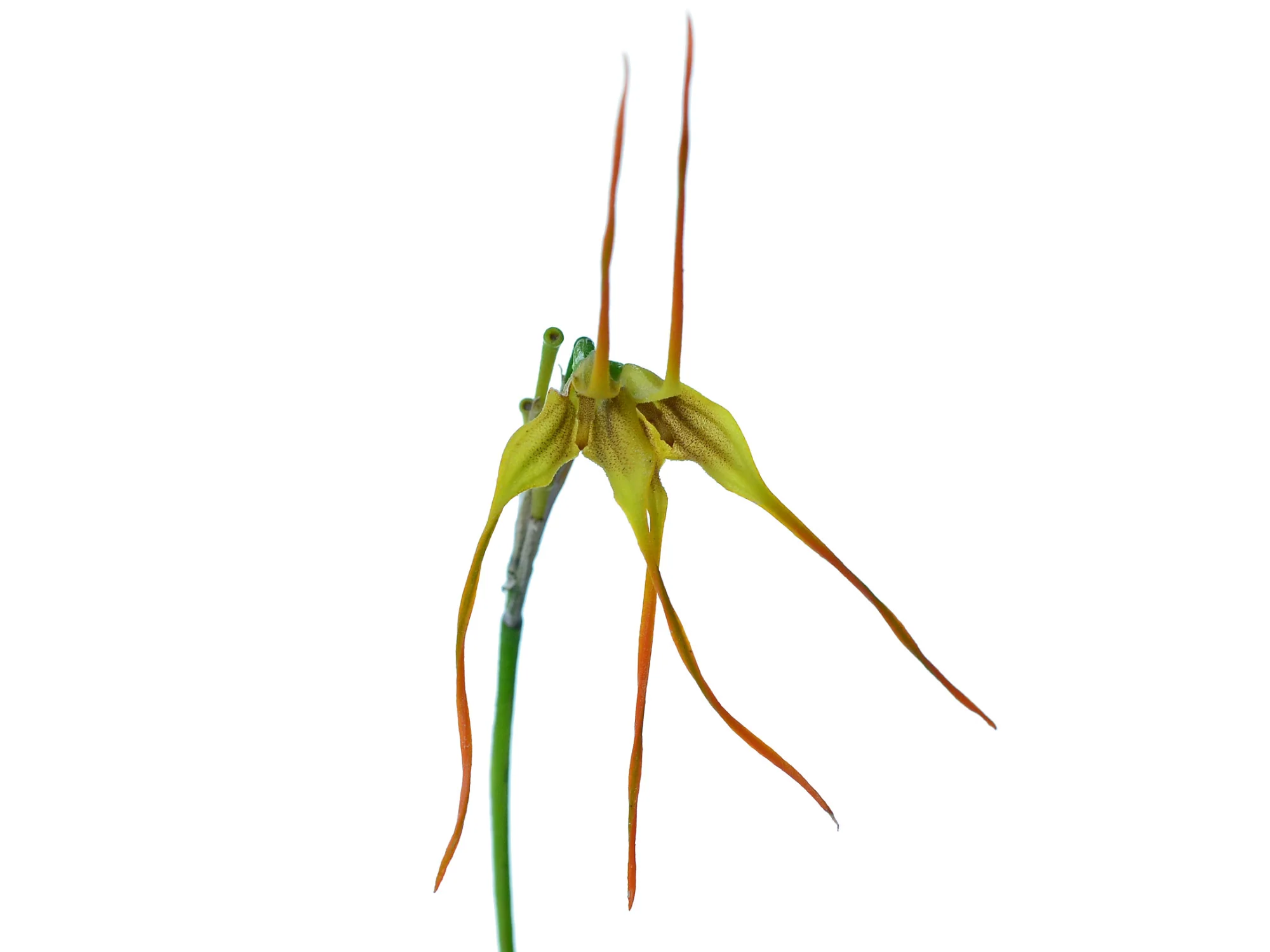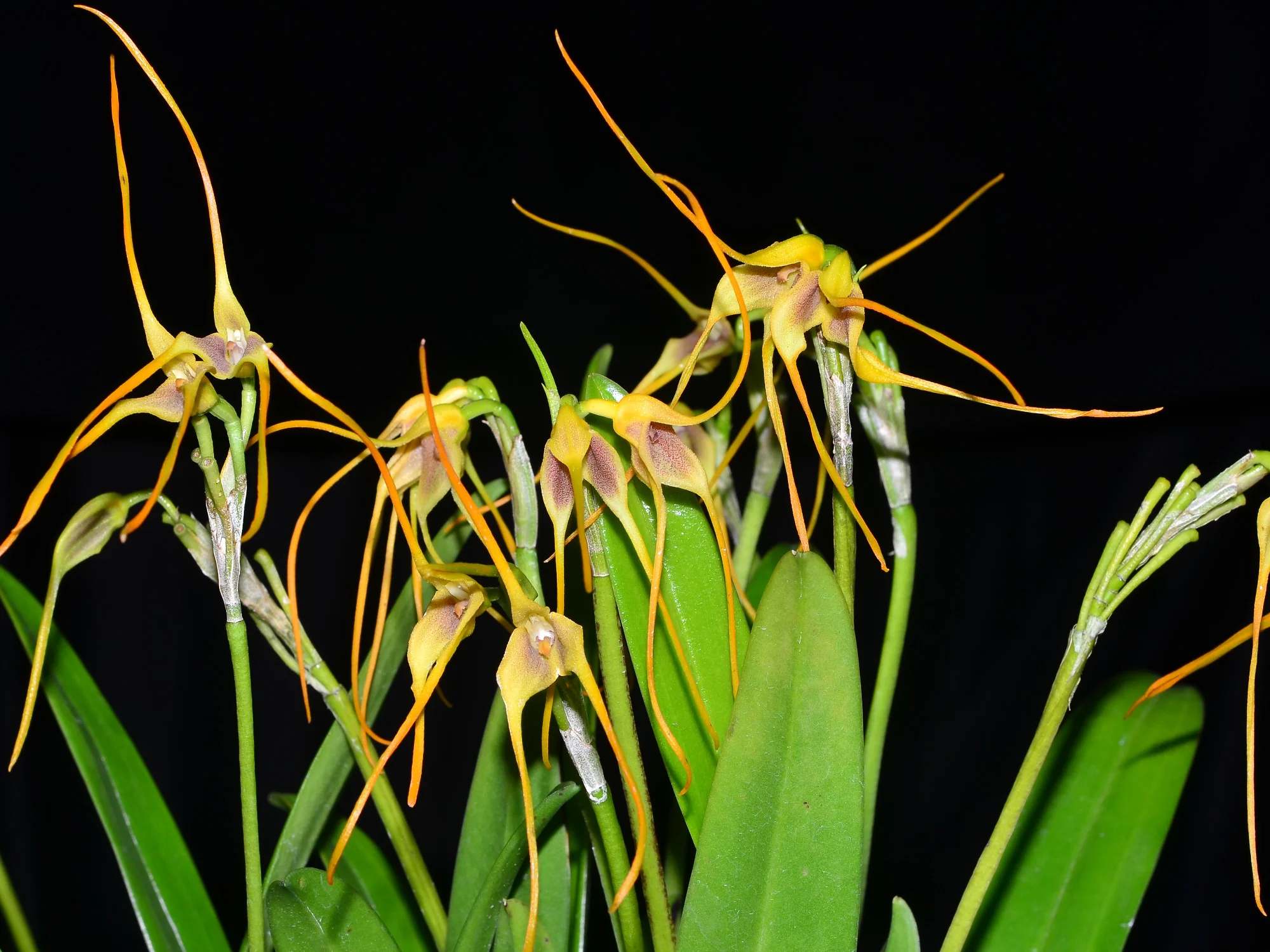

Masdevallia angulata
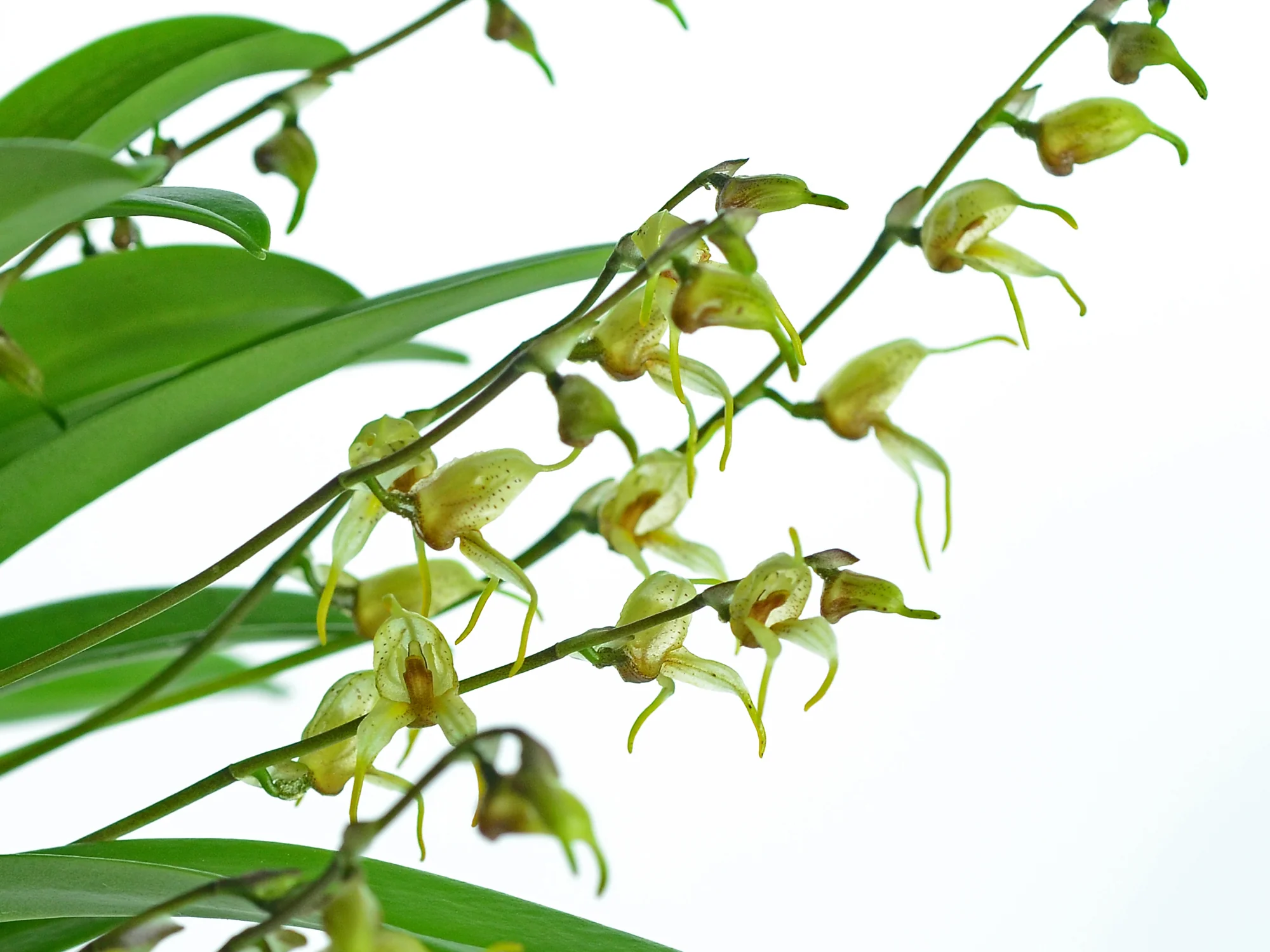
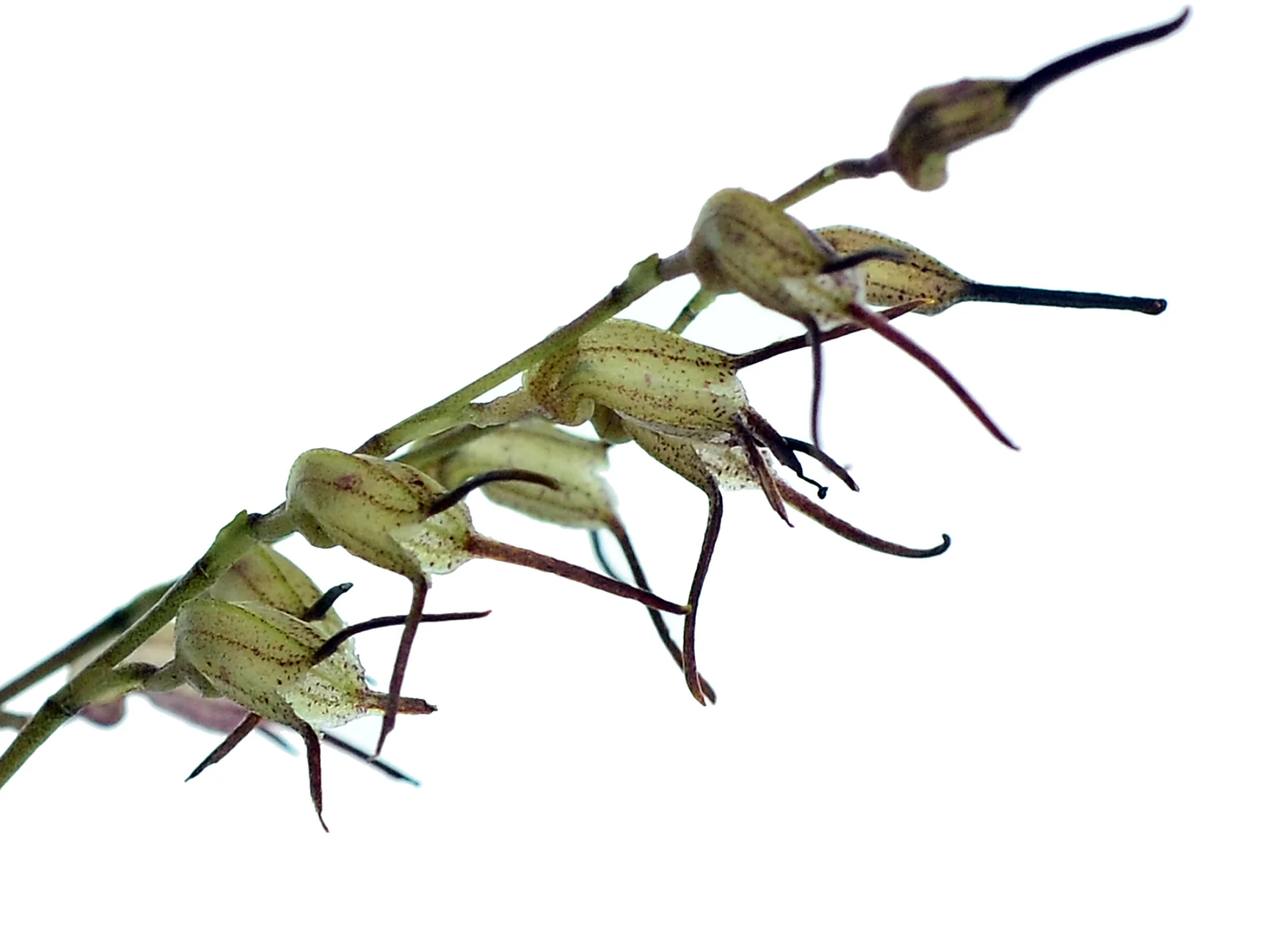
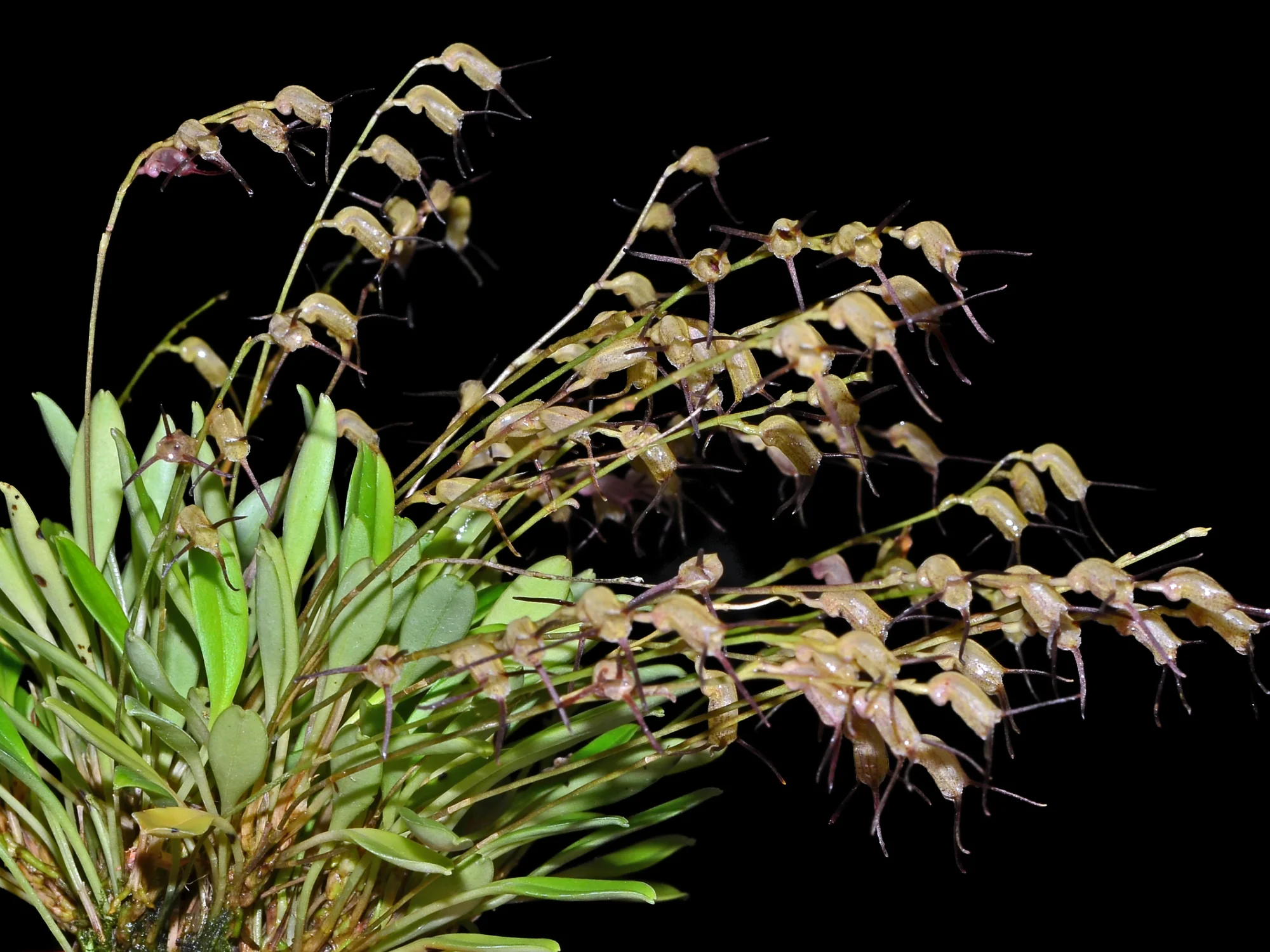
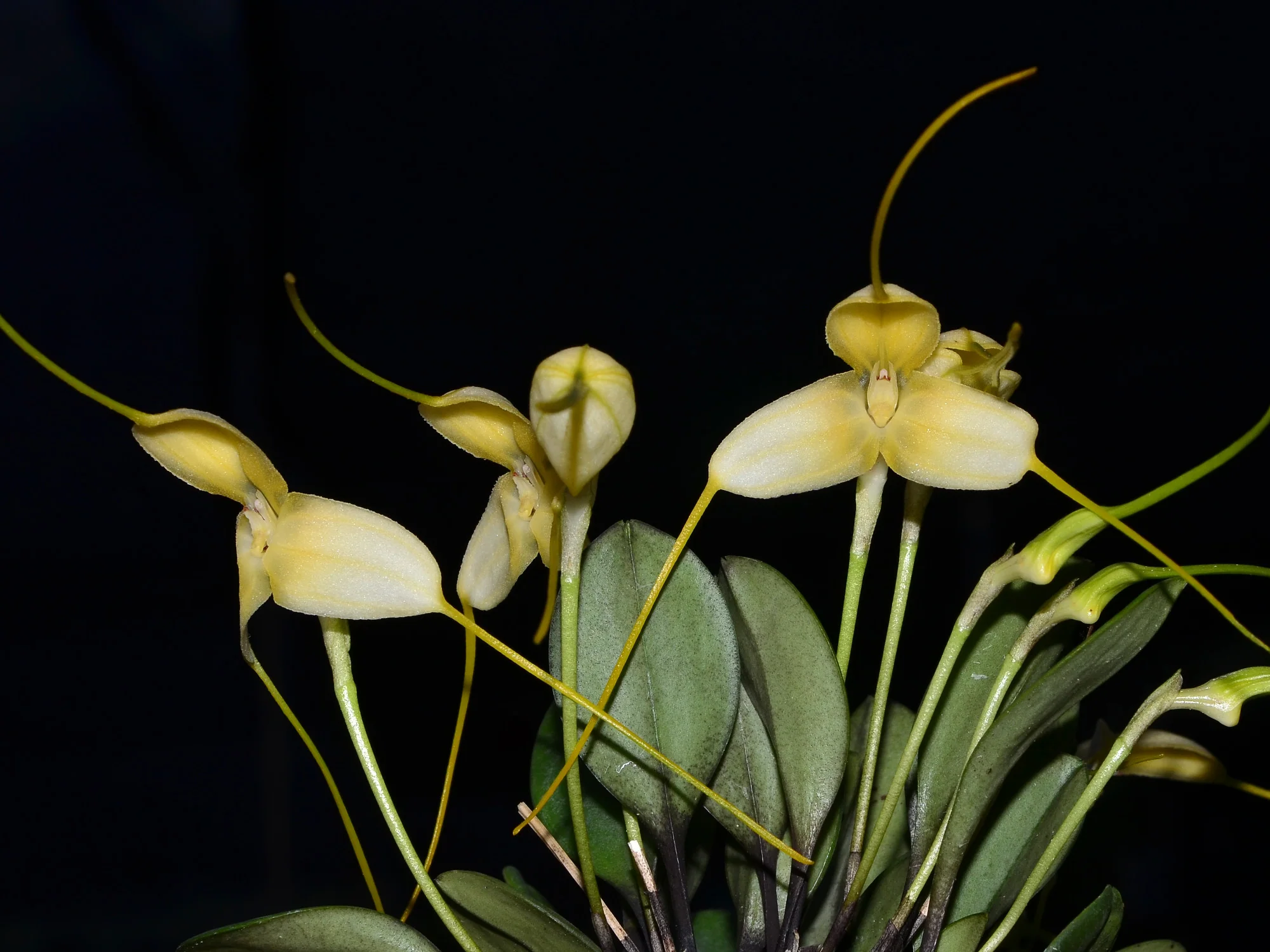
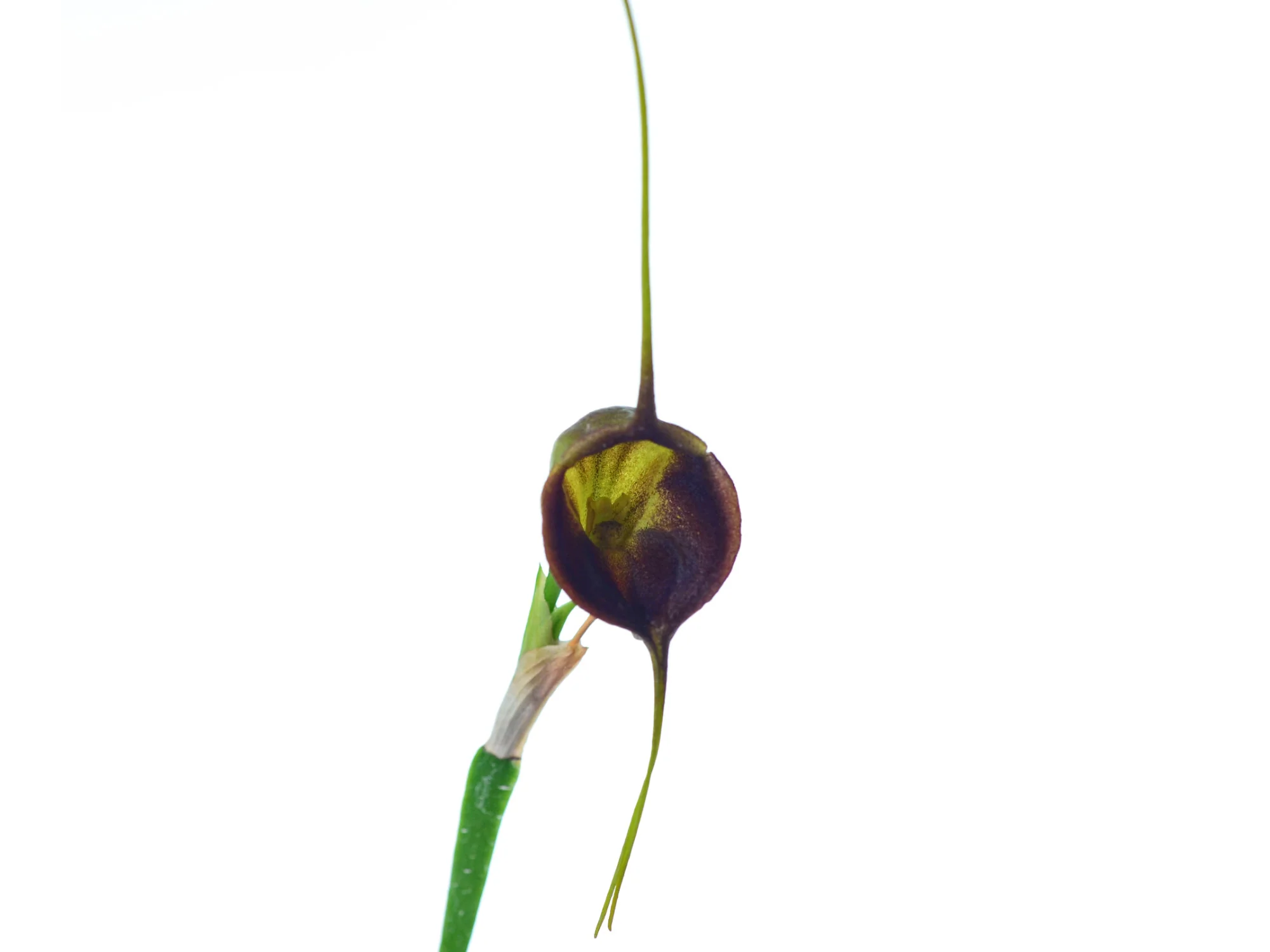
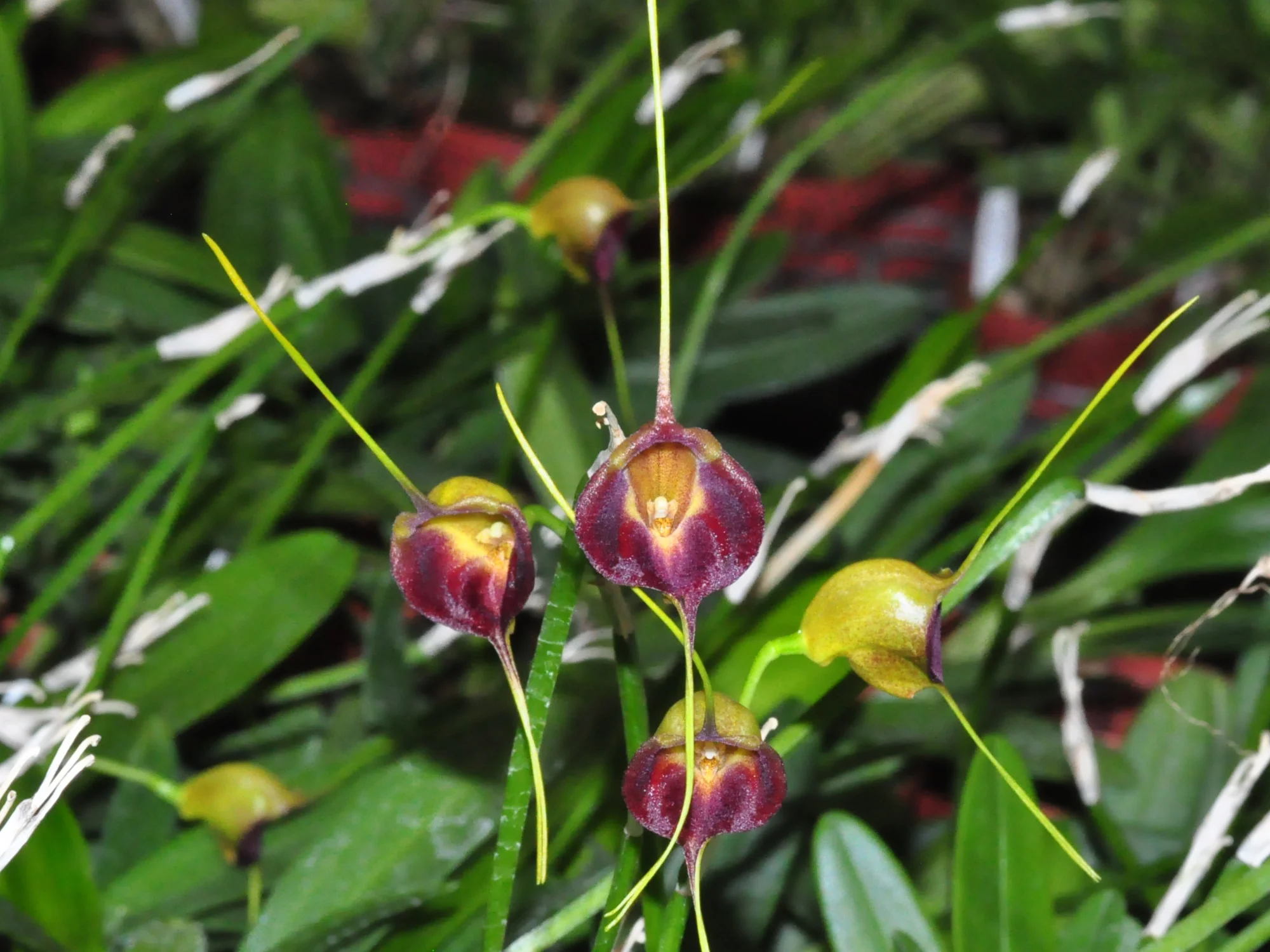
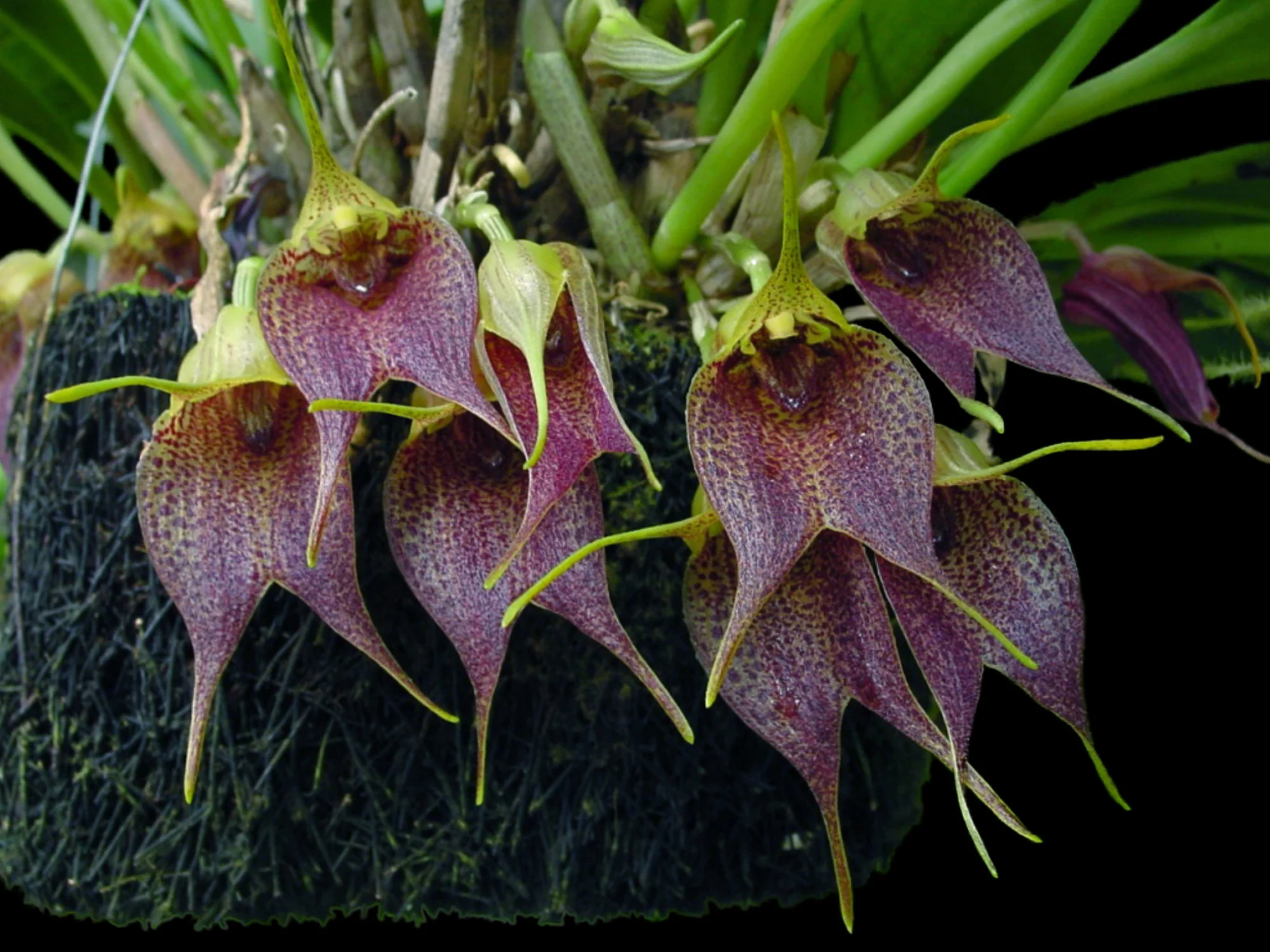
A distinctive Ecuadorian species featuring flowers with angular form and characteristic tubular structure. Successive blooms emerge from compact plants, making this intermediate to cool-growing species an appealing choice for collectors.
- Light: Bright indirect light to partial shade. Protect from direct sunlight which can scorch leaves.
- Temperature: Intermediate to cool grower. Daytime 64-77°F (18-25°C), nighttime 54-64°F (12-18°C). Tolerates slightly warmer conditions than strict cool growers.
- Humidity: 70-85% with excellent air circulation. Good air movement is critical to prevent fungal and bacterial issues.
- Watering: Keep media consistently moist throughout the year. Water every 2-3 days depending on conditions, using pure water with low mineral content.
Additional Notes
The name "angulata" refers to the angular or angled nature of the flower structure, creating a distinctive appearance. It adapts well to intermediate to cool conditions. Best grown mounted on tree fern or cork bark, or in small pots with fine-grade bark mix or sphagnum moss.
Original: $16.00
-70%$16.00
$4.80Product Information
Product Information
Shipping & Returns
Shipping & Returns
Description
A distinctive Ecuadorian species featuring flowers with angular form and characteristic tubular structure. Successive blooms emerge from compact plants, making this intermediate to cool-growing species an appealing choice for collectors.
- Light: Bright indirect light to partial shade. Protect from direct sunlight which can scorch leaves.
- Temperature: Intermediate to cool grower. Daytime 64-77°F (18-25°C), nighttime 54-64°F (12-18°C). Tolerates slightly warmer conditions than strict cool growers.
- Humidity: 70-85% with excellent air circulation. Good air movement is critical to prevent fungal and bacterial issues.
- Watering: Keep media consistently moist throughout the year. Water every 2-3 days depending on conditions, using pure water with low mineral content.
Additional Notes
The name "angulata" refers to the angular or angled nature of the flower structure, creating a distinctive appearance. It adapts well to intermediate to cool conditions. Best grown mounted on tree fern or cork bark, or in small pots with fine-grade bark mix or sphagnum moss.