🚚 Free Worldwide Shipping on All Orders!Shop Now

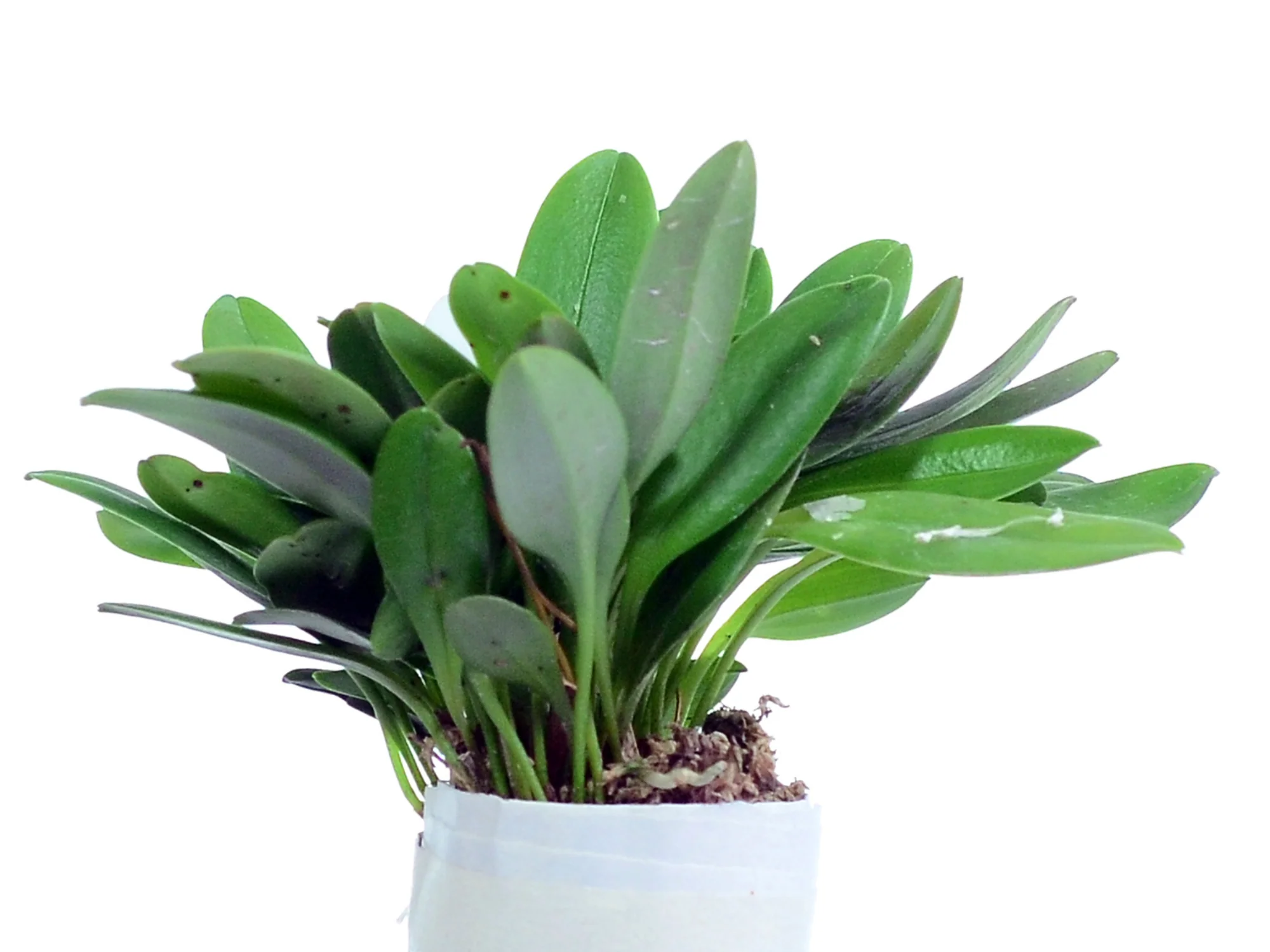
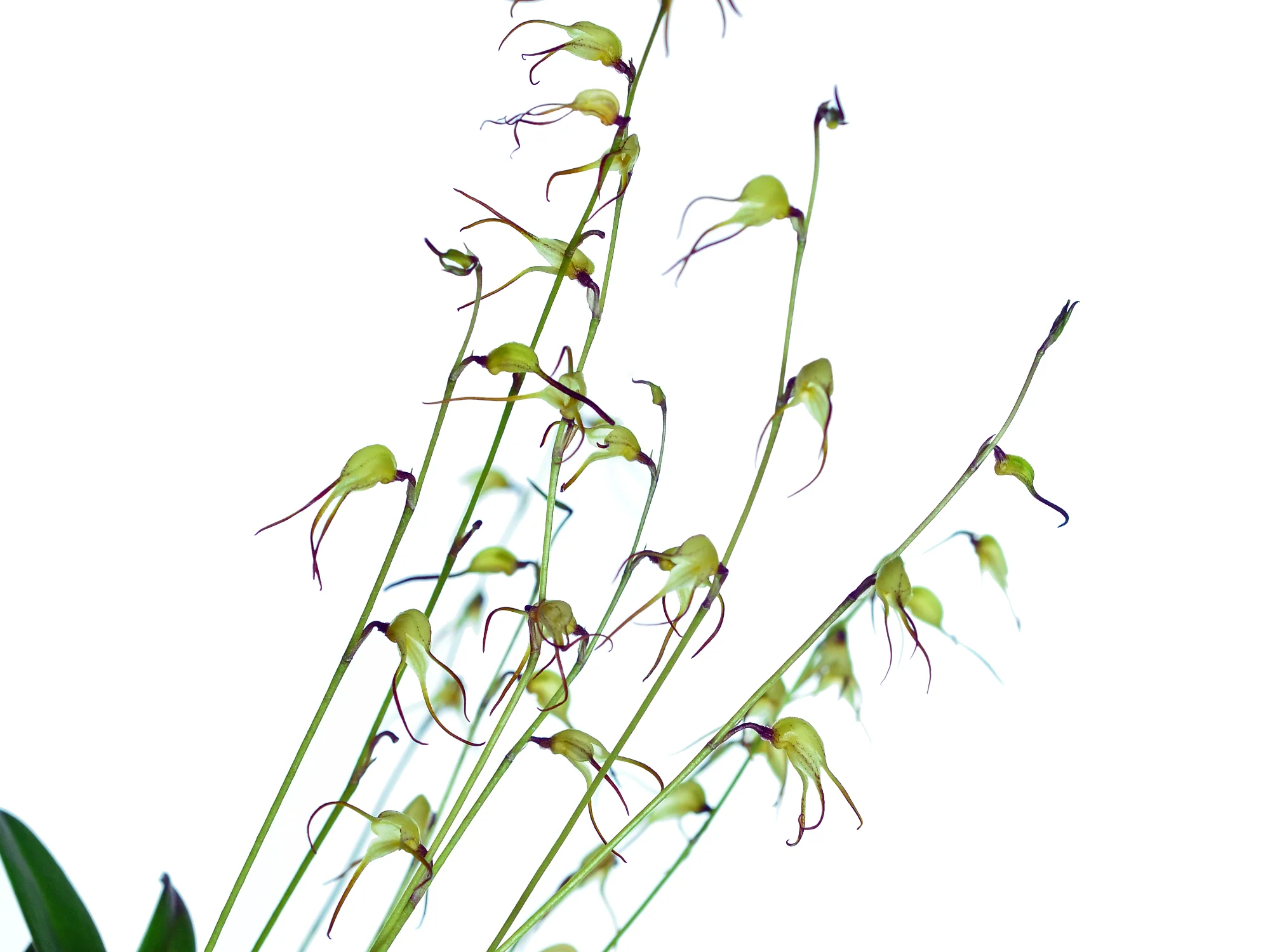
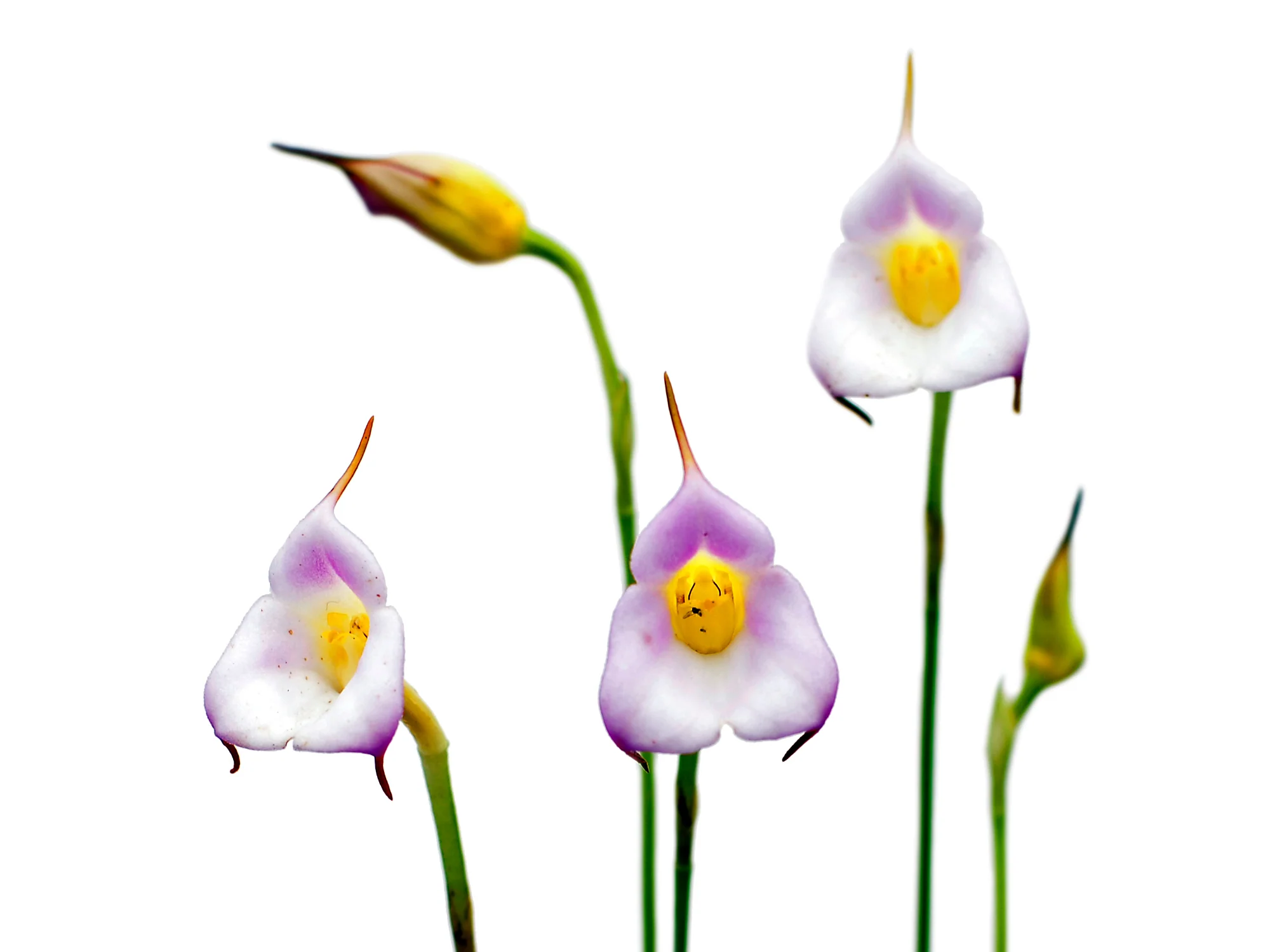
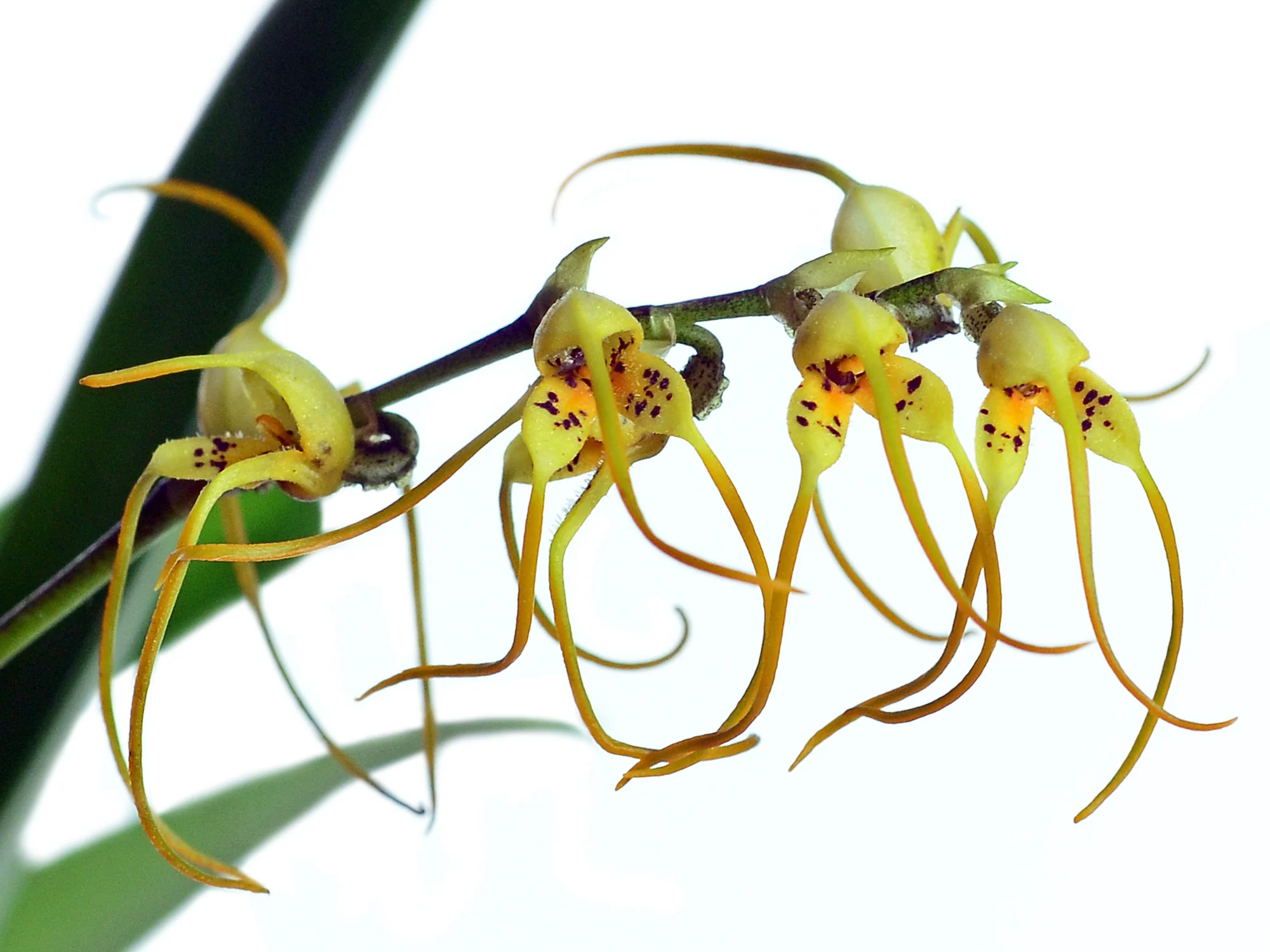
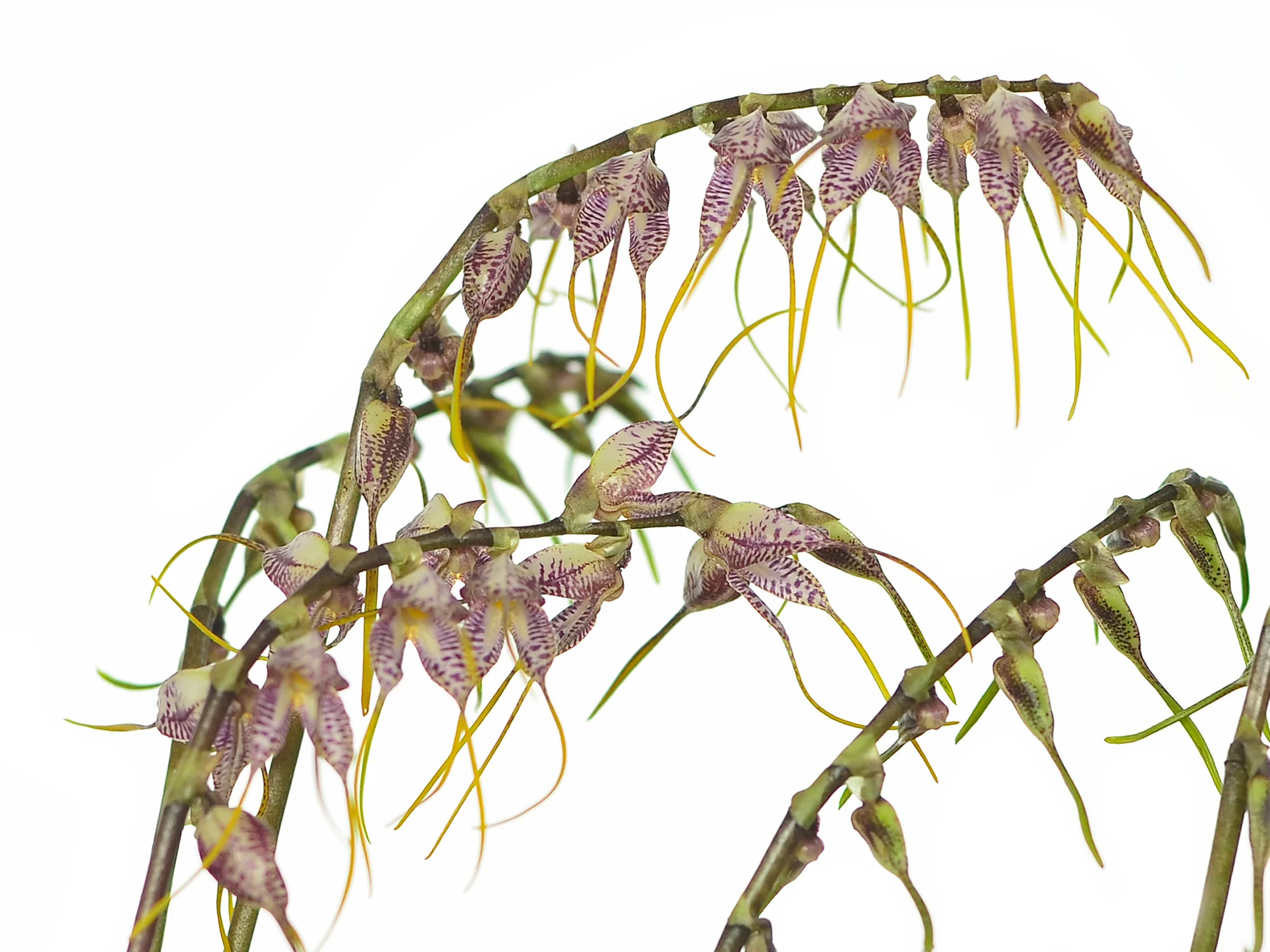
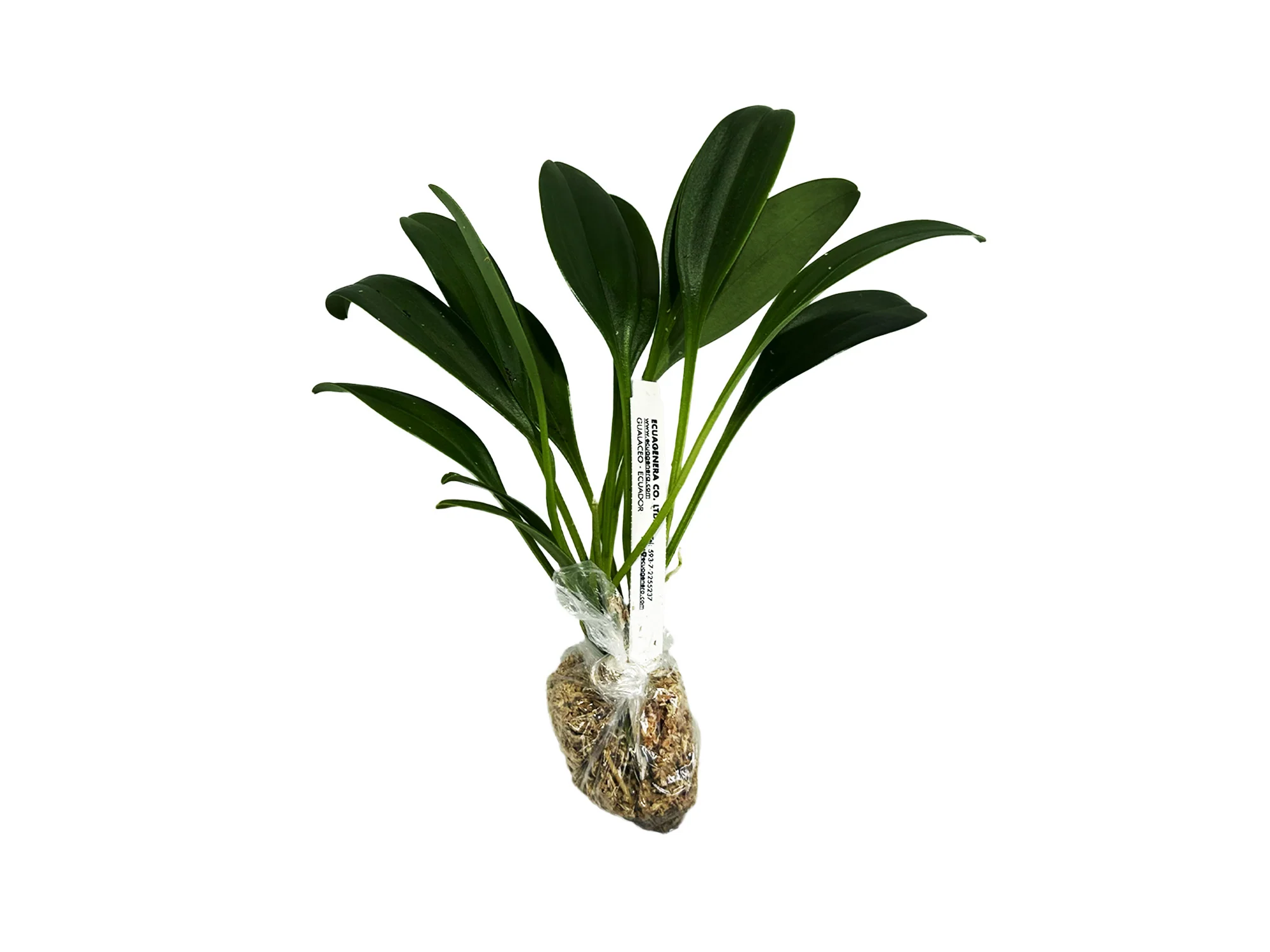
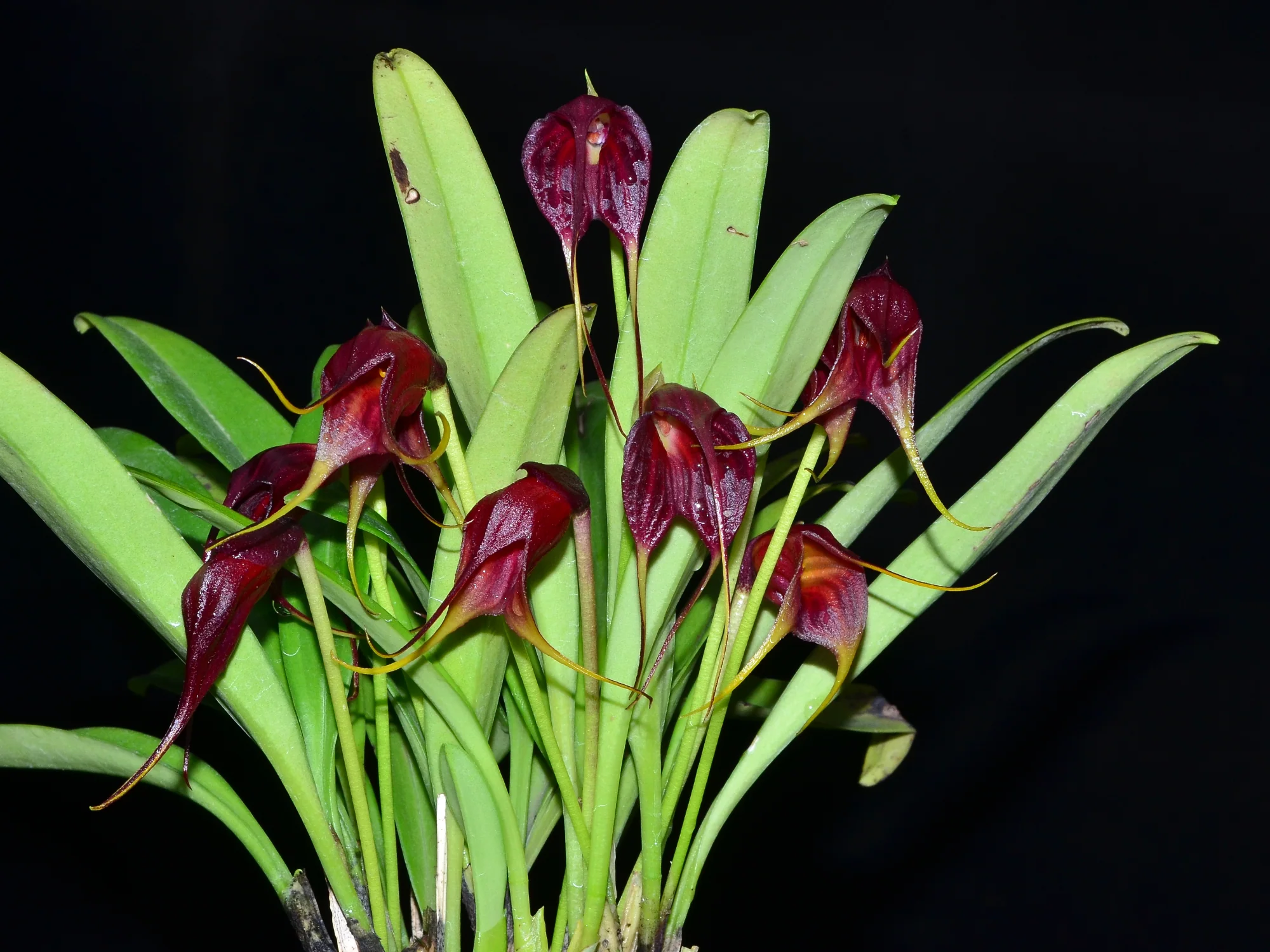
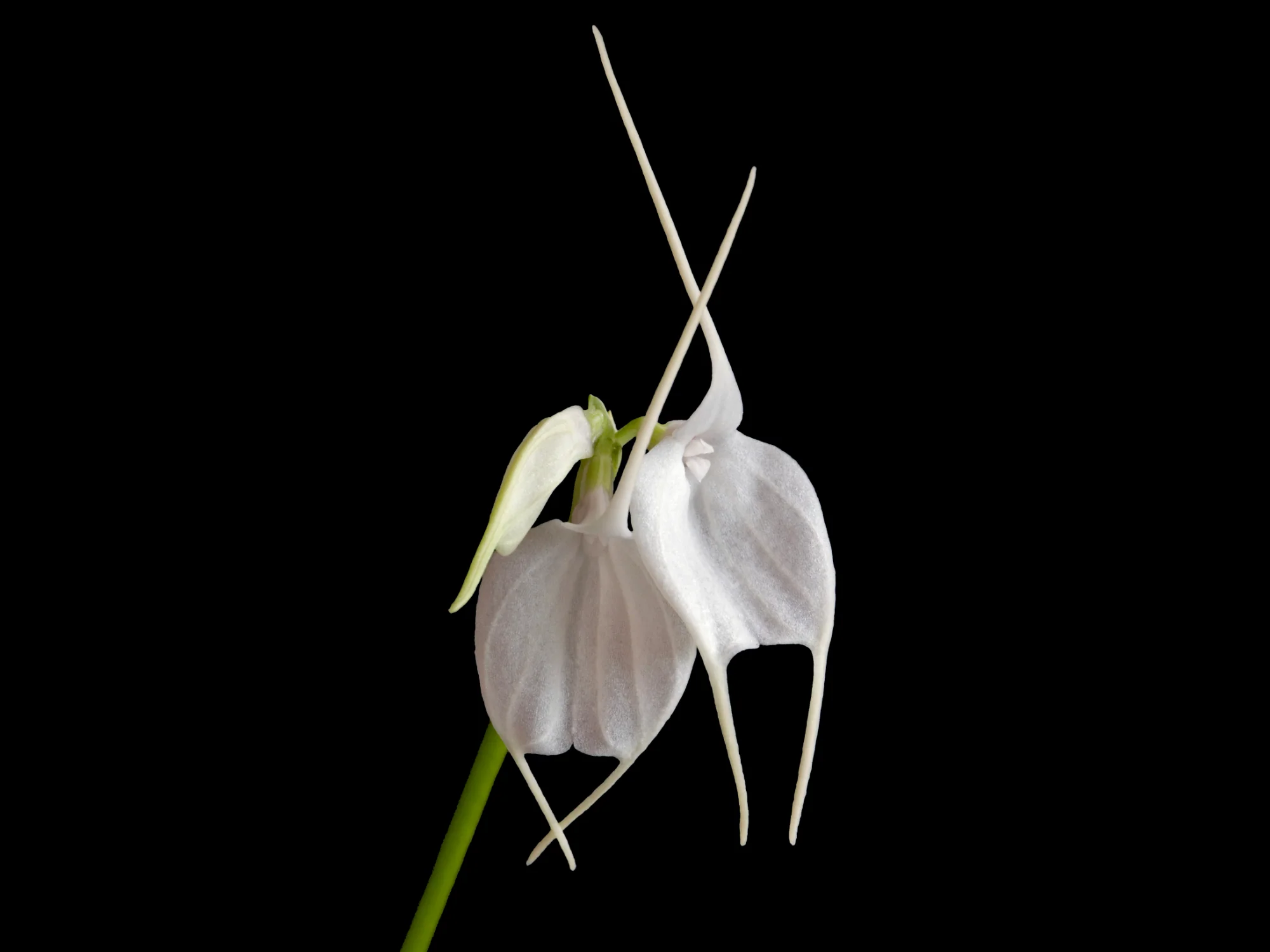
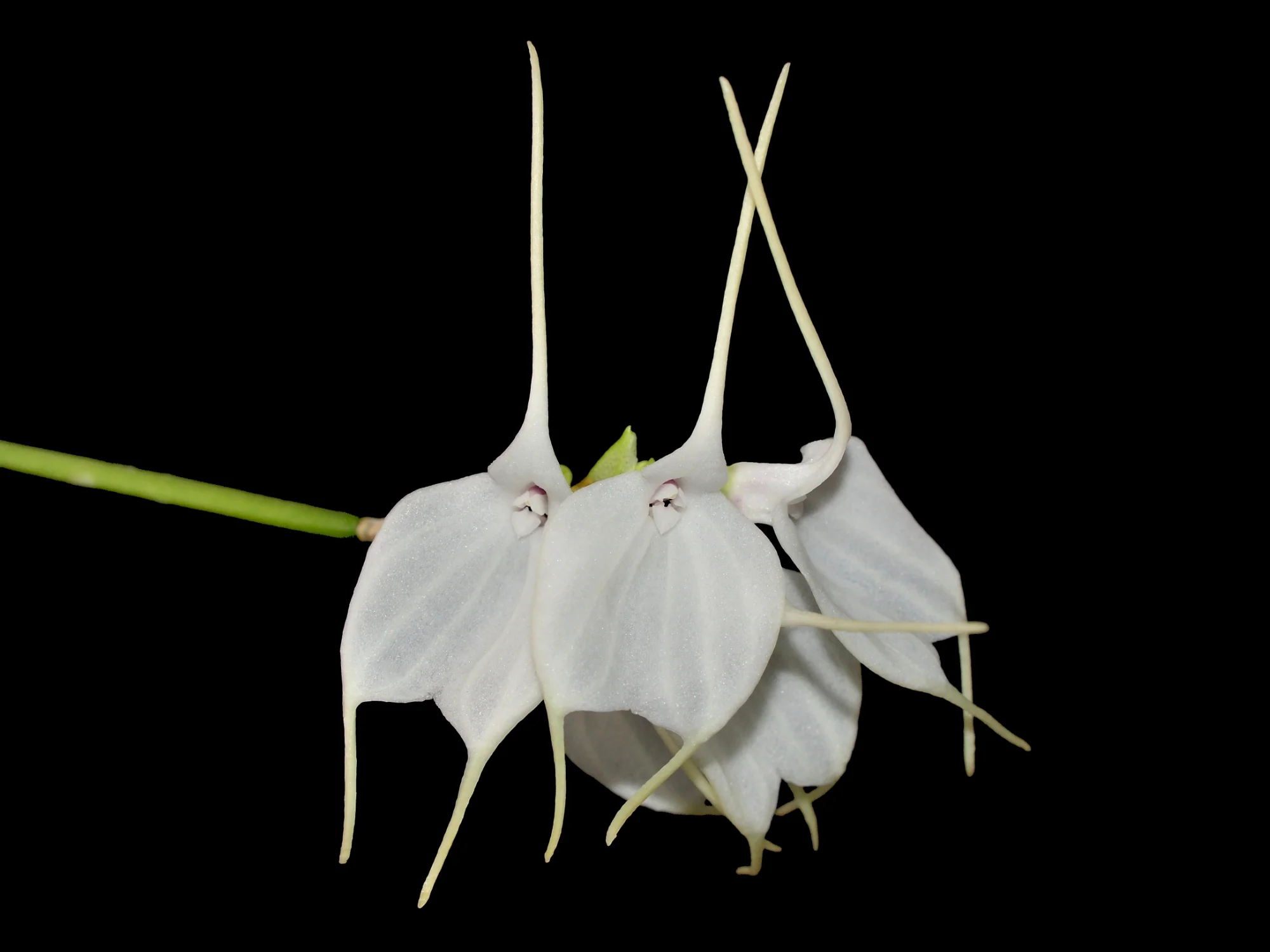
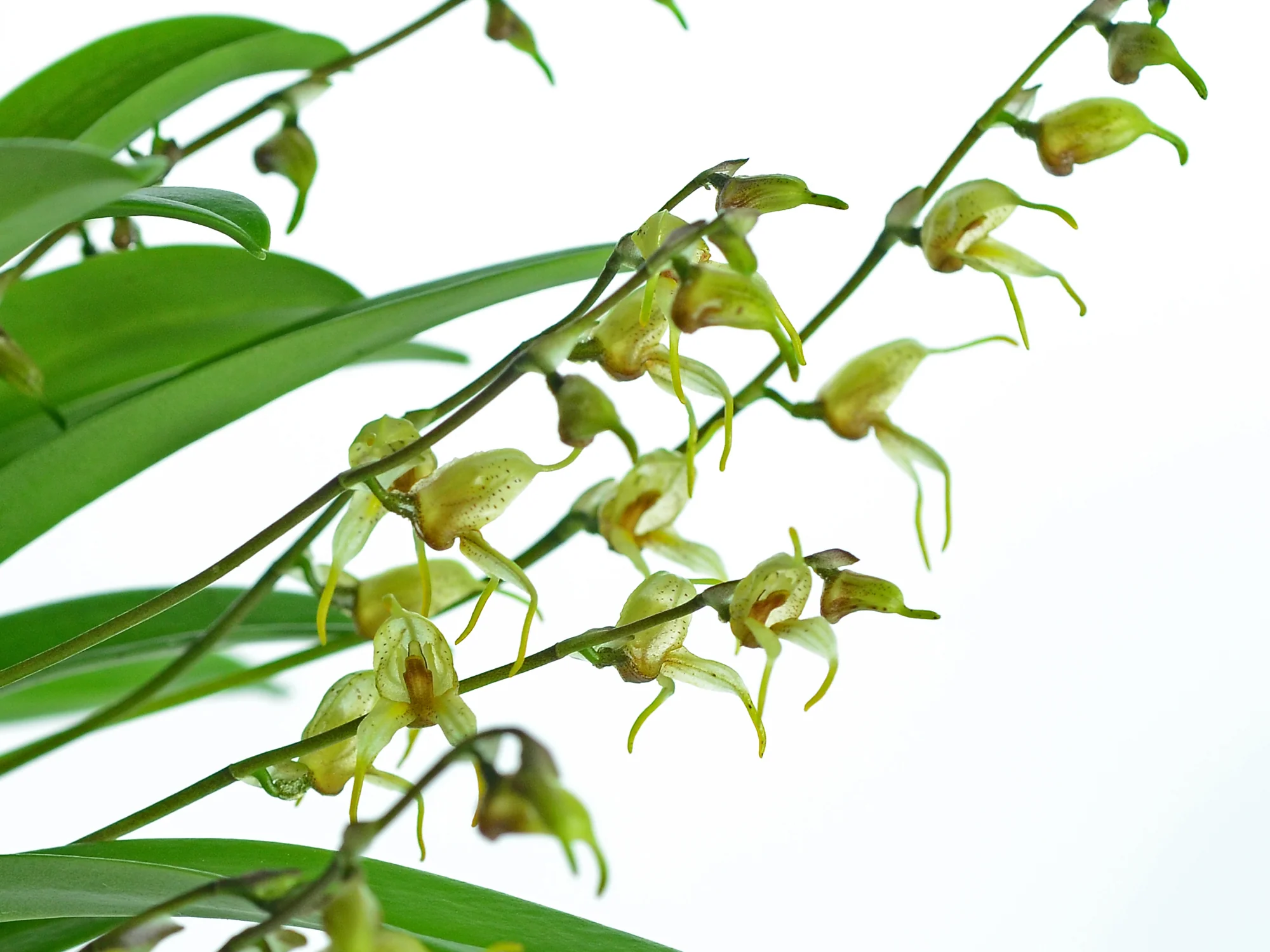
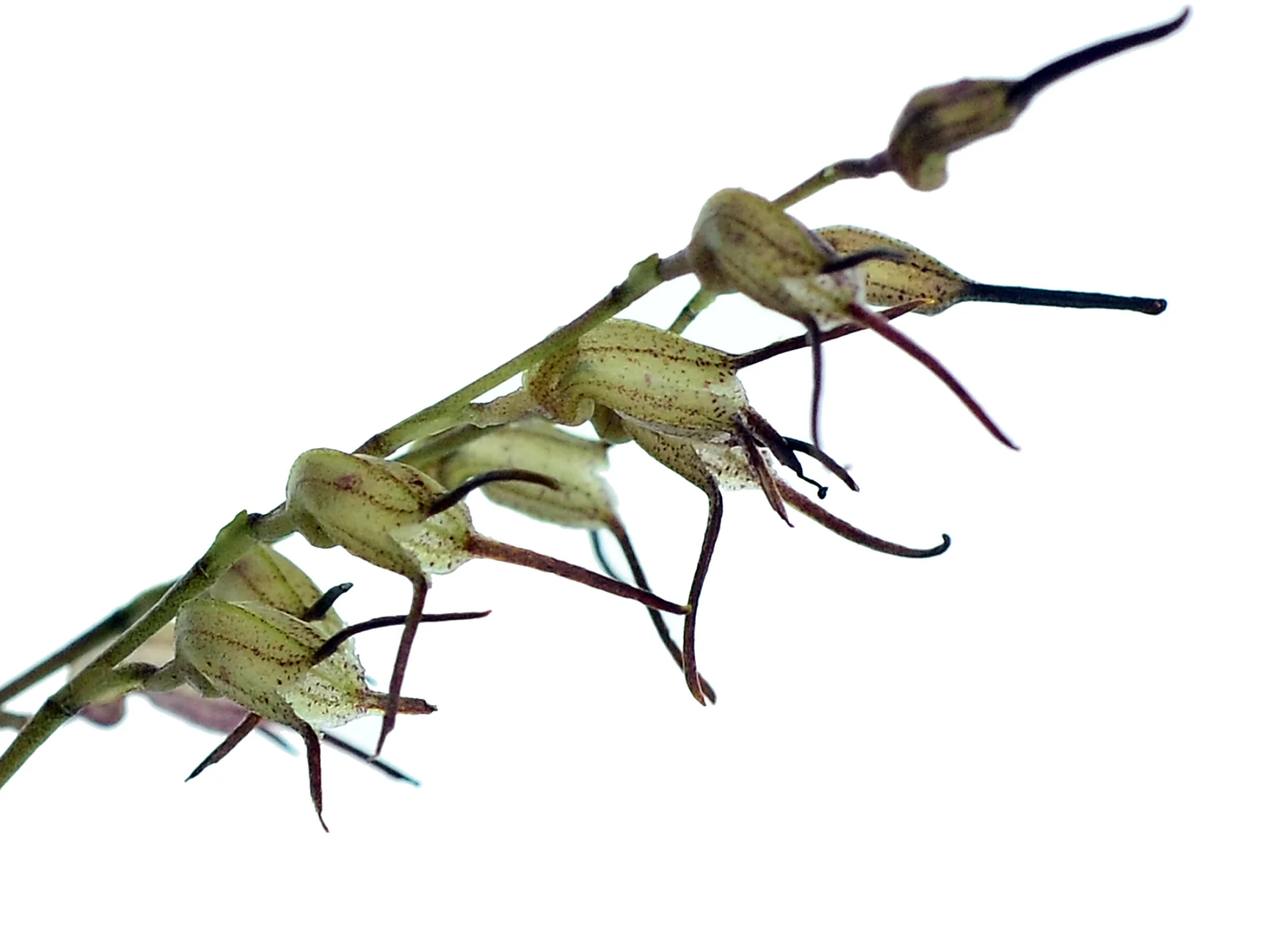
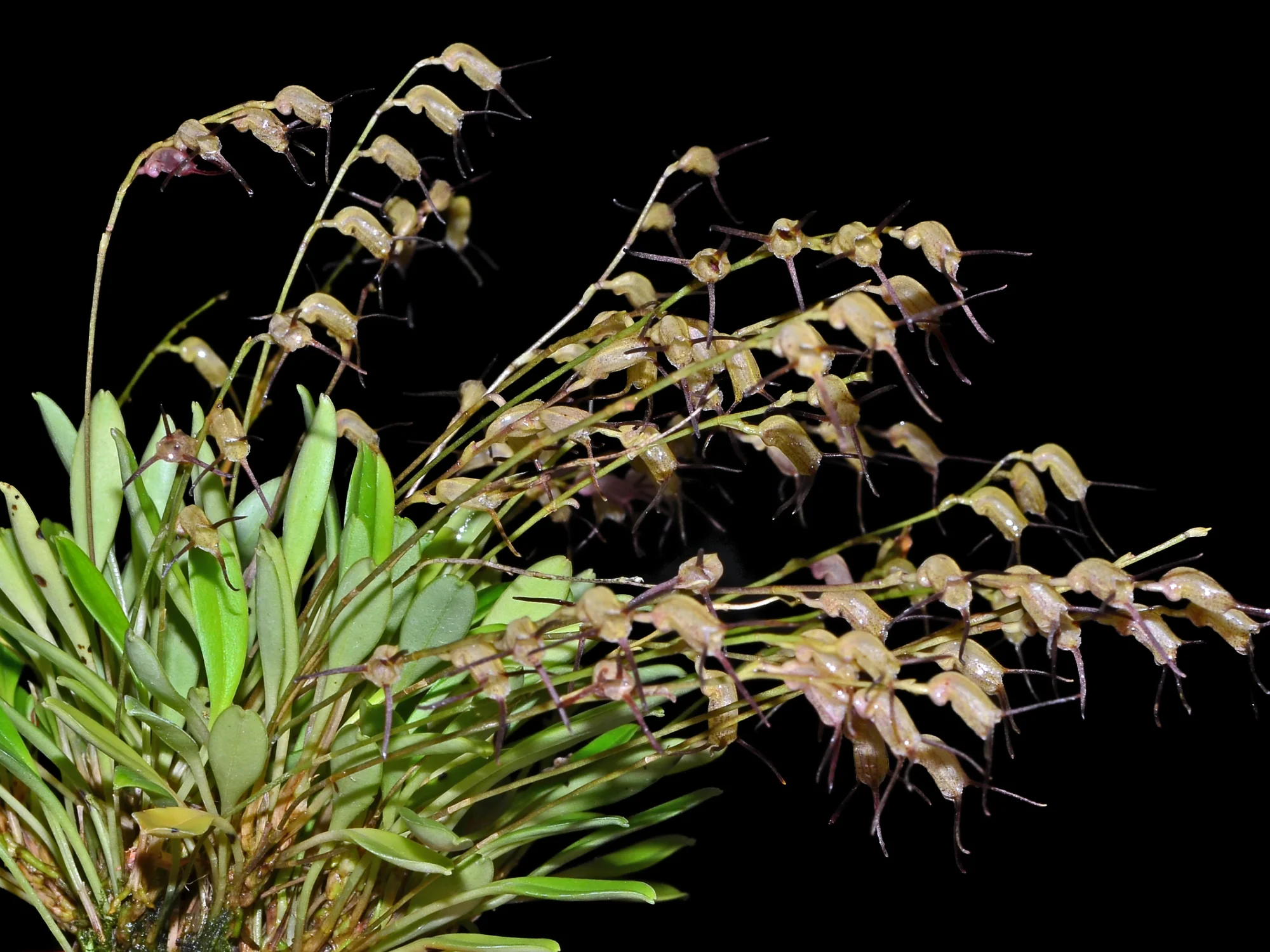
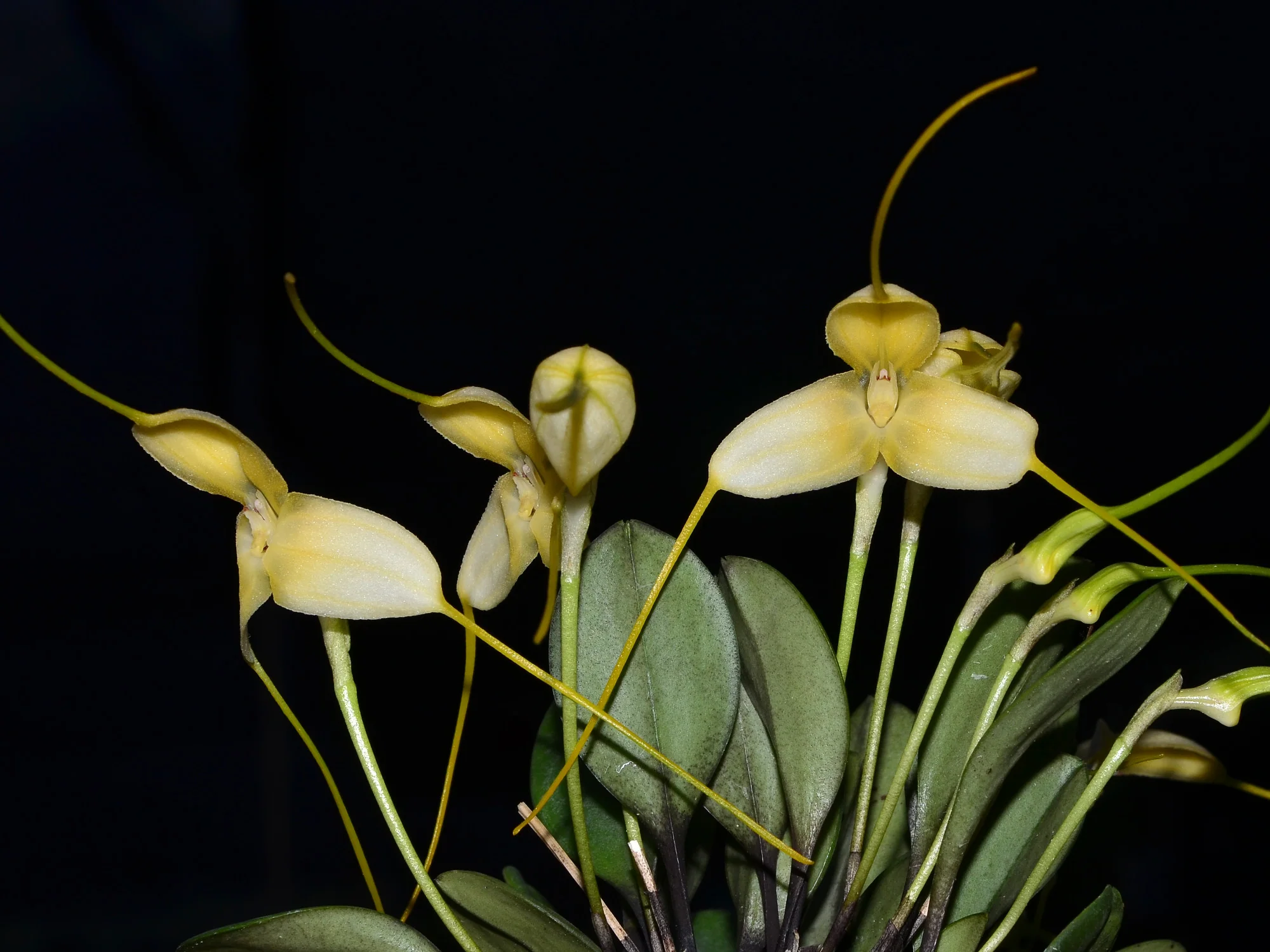
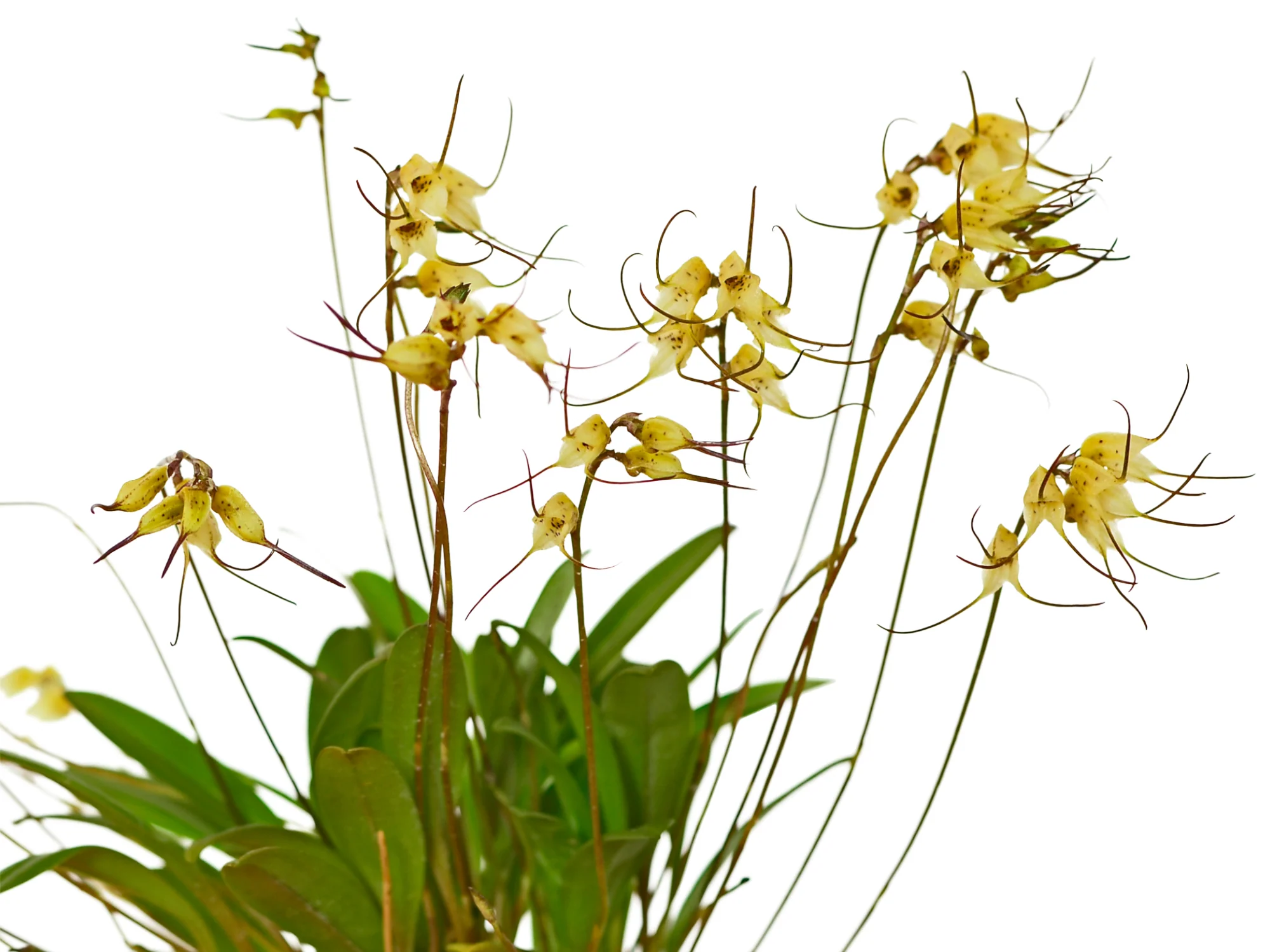
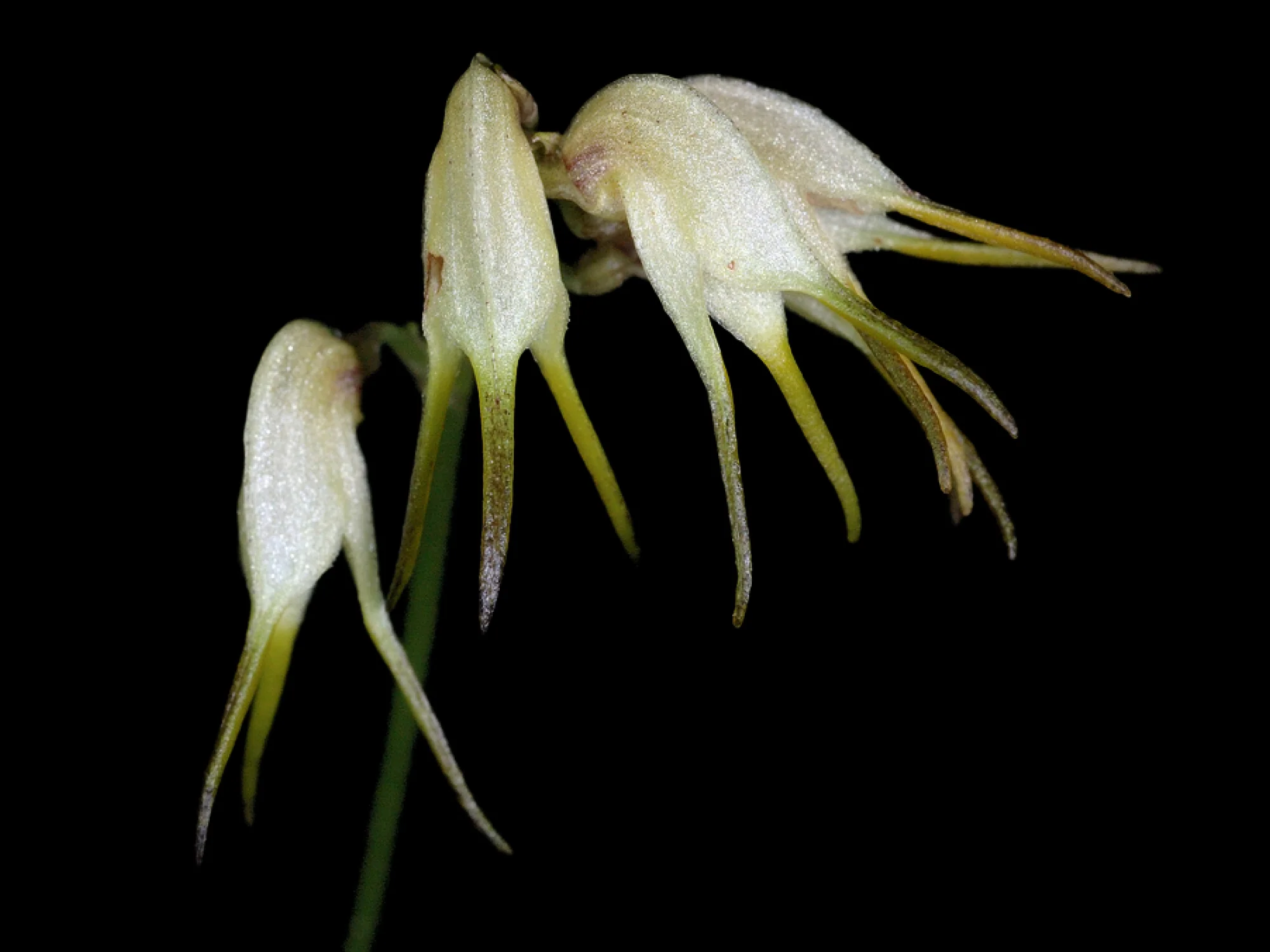
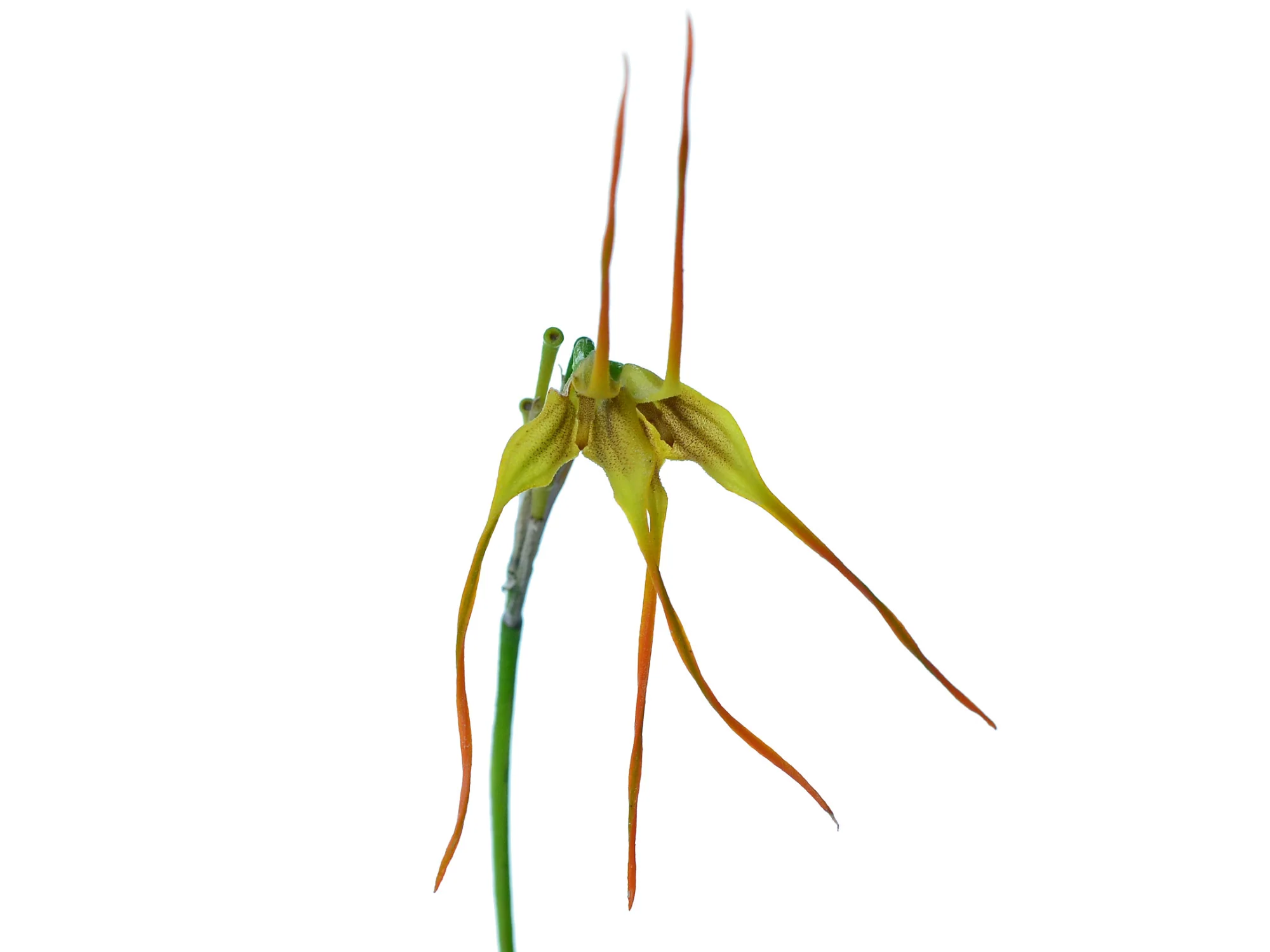
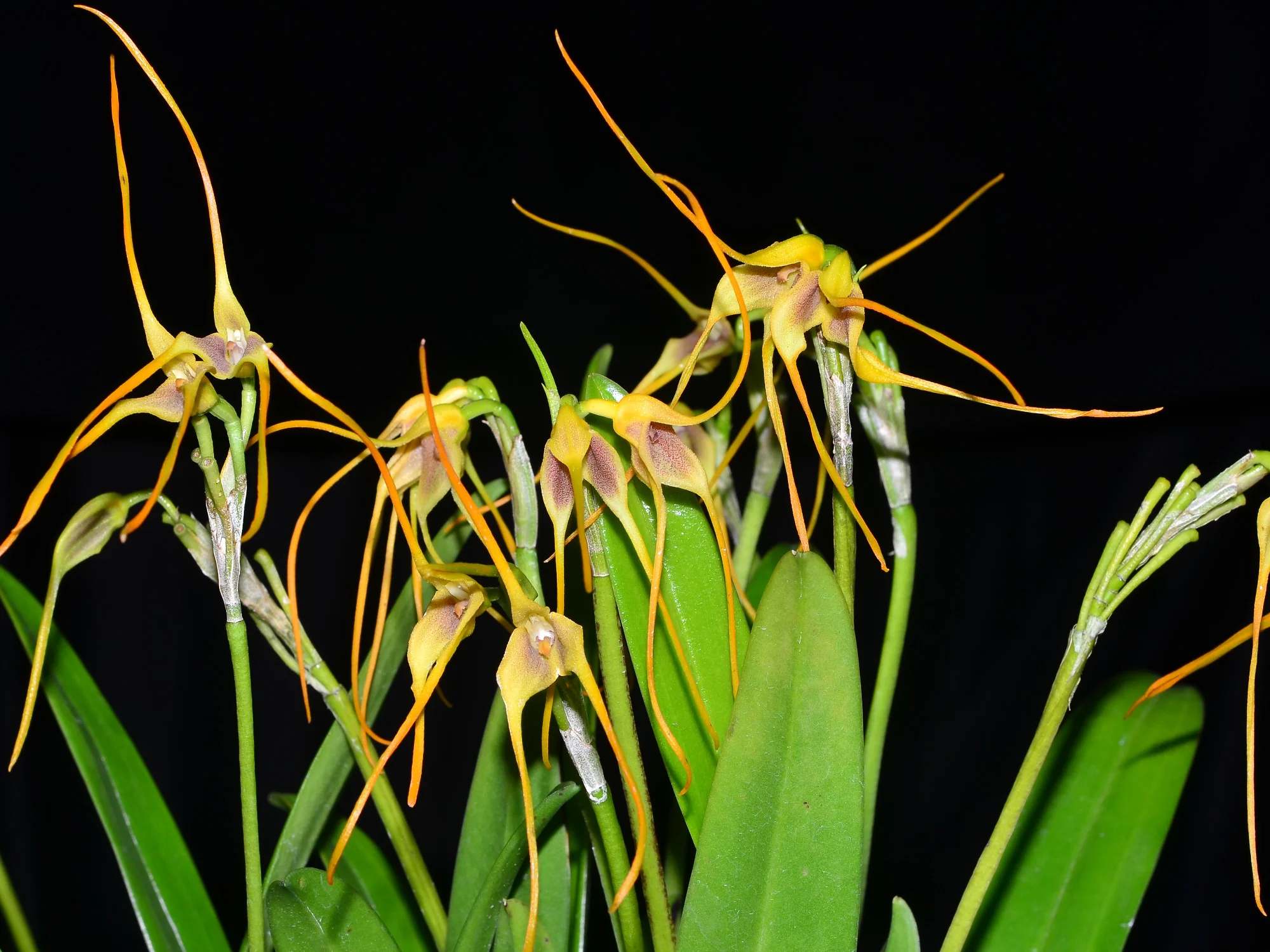
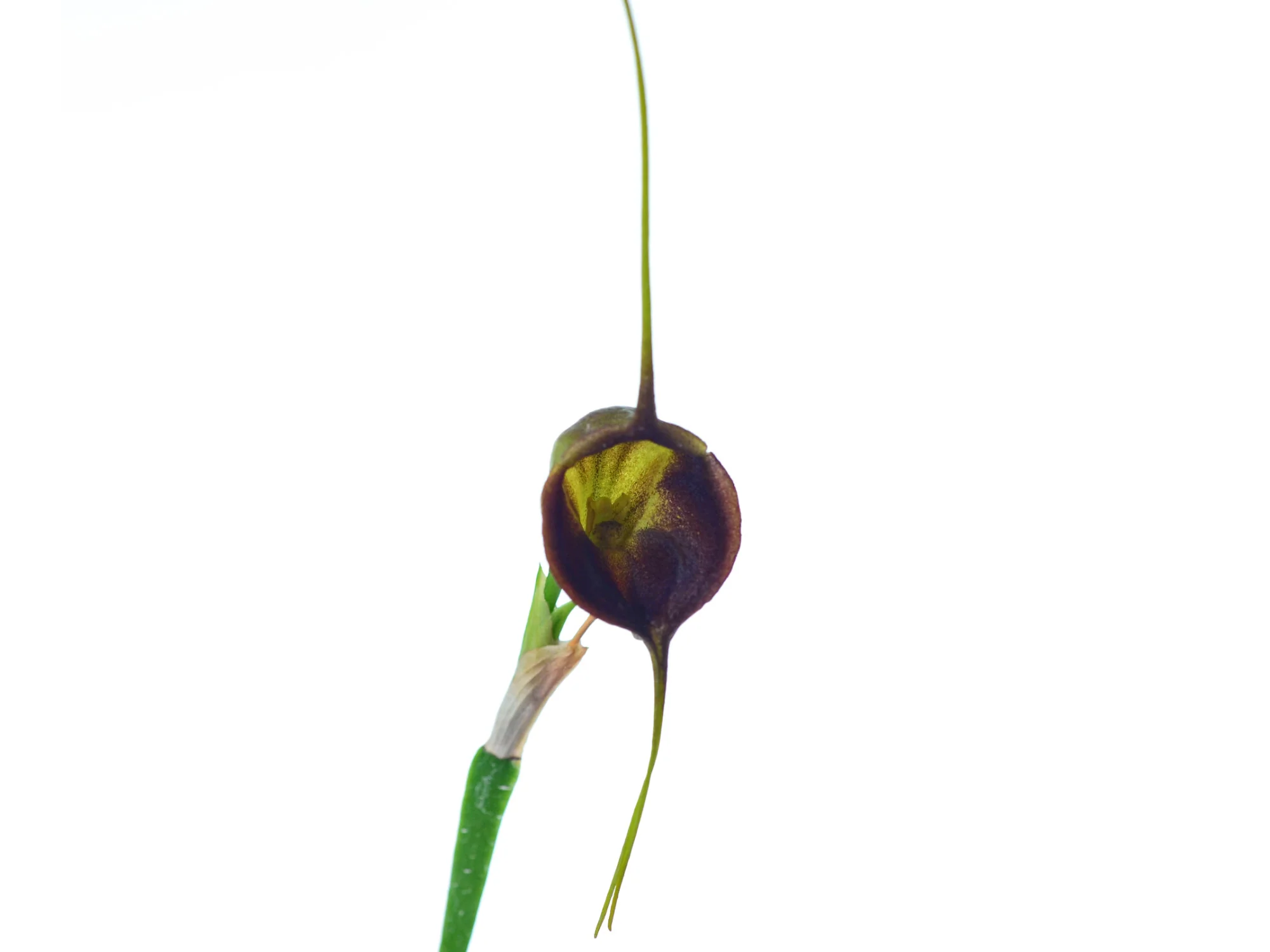
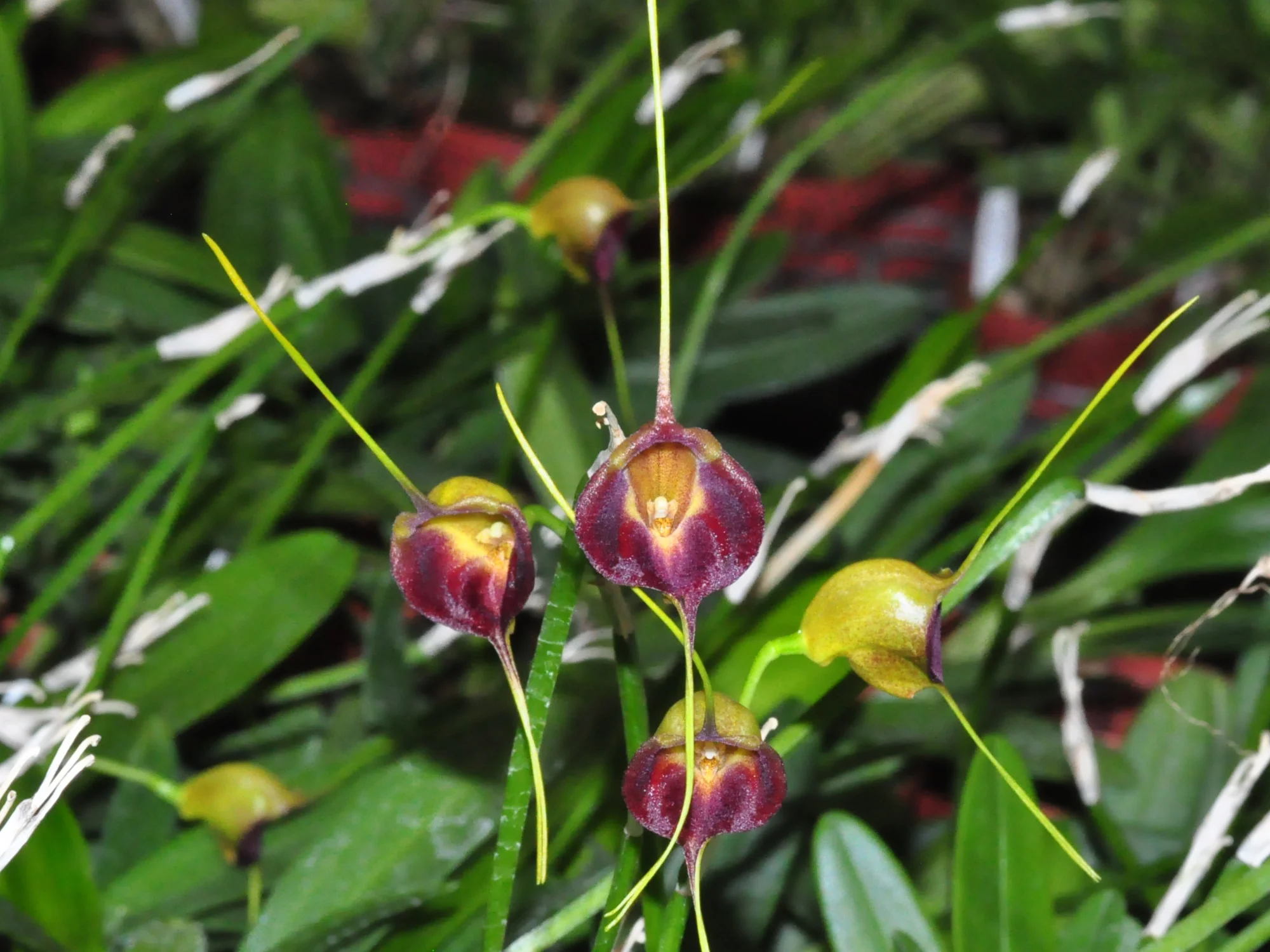
Masdevallia strobelii big
Masdevallia strobelii big Culture:
Successful cultivation of Masdevallia strobelii big. Here are some important cultural tips to ensure its thriving growth:
- Light: Masdevallia strobelii big prefers low to medium indirect light. Avoid direct sunlight, which can scorch the leaves.
- Temperature: This orchid enjoys cool temperatures. Daytime temperatures should be between 15-20°C (59-68°F), and nighttime temperatures should be between 10-15°C (50-59°F).
- Humidity: Masdevallia strobelii big thrives in high humidity, around 70-80%. You can achieve this by using humidifiers, misting frequently, or growing it in a terrarium or enclosed environment.
- Watering: Water regularly, keeping the substrate moist but not soggy. Allow the substrate to dry slightly between waterings. Reduce watering during the winter months.
Additional Notes:
- It is an epiphytic orchid, meaning it naturally grows on trees.
- This species is known for its distinctive, often brightly colored flowers, with hairy or fringed edges.
$22.00
Masdevallia strobelii big—
$22.00
Product Information
Product Information
Shipping & Returns
Shipping & Returns
Description
Masdevallia strobelii big Culture:
Successful cultivation of Masdevallia strobelii big. Here are some important cultural tips to ensure its thriving growth:
- Light: Masdevallia strobelii big prefers low to medium indirect light. Avoid direct sunlight, which can scorch the leaves.
- Temperature: This orchid enjoys cool temperatures. Daytime temperatures should be between 15-20°C (59-68°F), and nighttime temperatures should be between 10-15°C (50-59°F).
- Humidity: Masdevallia strobelii big thrives in high humidity, around 70-80%. You can achieve this by using humidifiers, misting frequently, or growing it in a terrarium or enclosed environment.
- Watering: Water regularly, keeping the substrate moist but not soggy. Allow the substrate to dry slightly between waterings. Reduce watering during the winter months.
Additional Notes:
- It is an epiphytic orchid, meaning it naturally grows on trees.
- This species is known for its distinctive, often brightly colored flowers, with hairy or fringed edges.