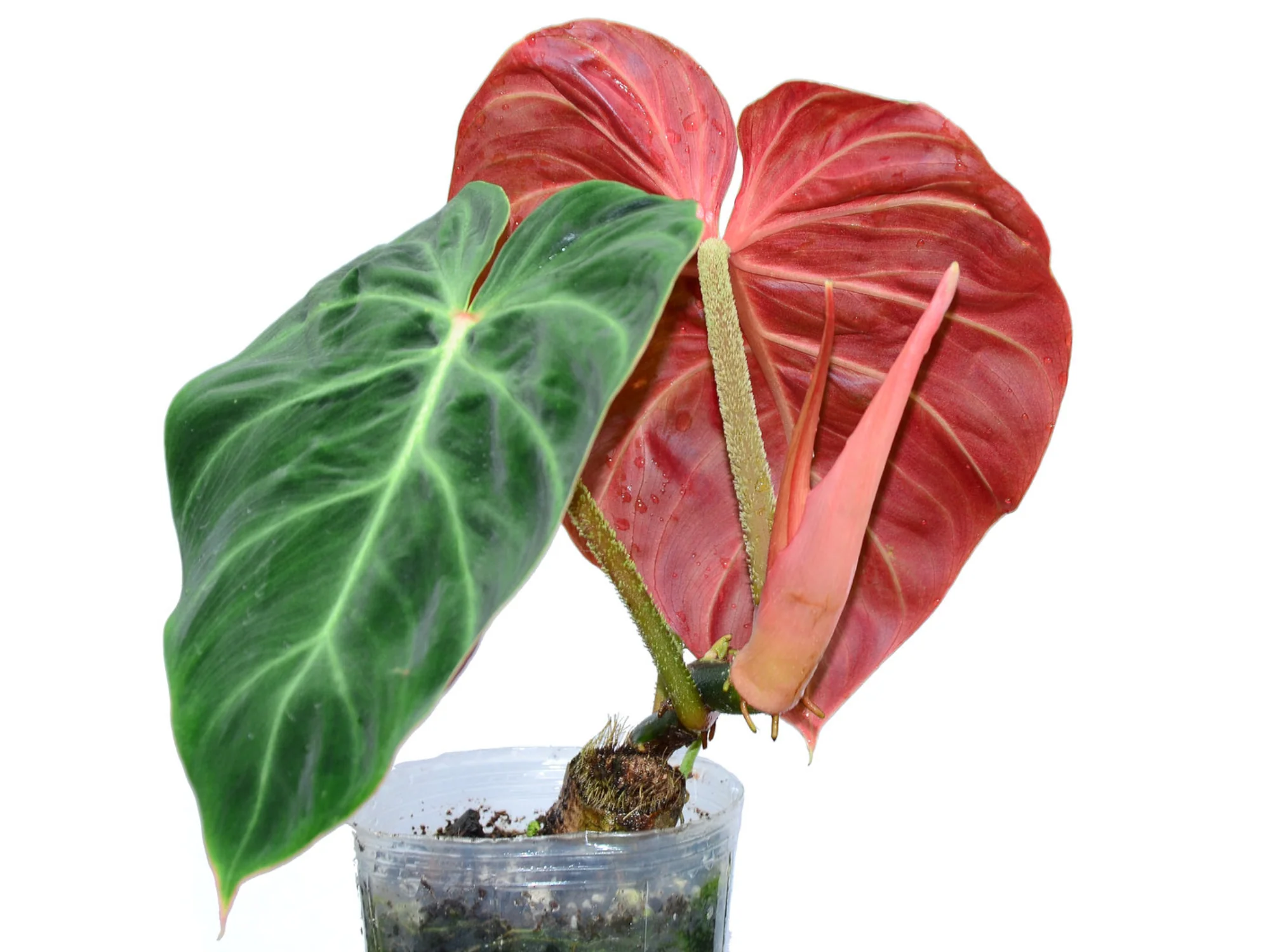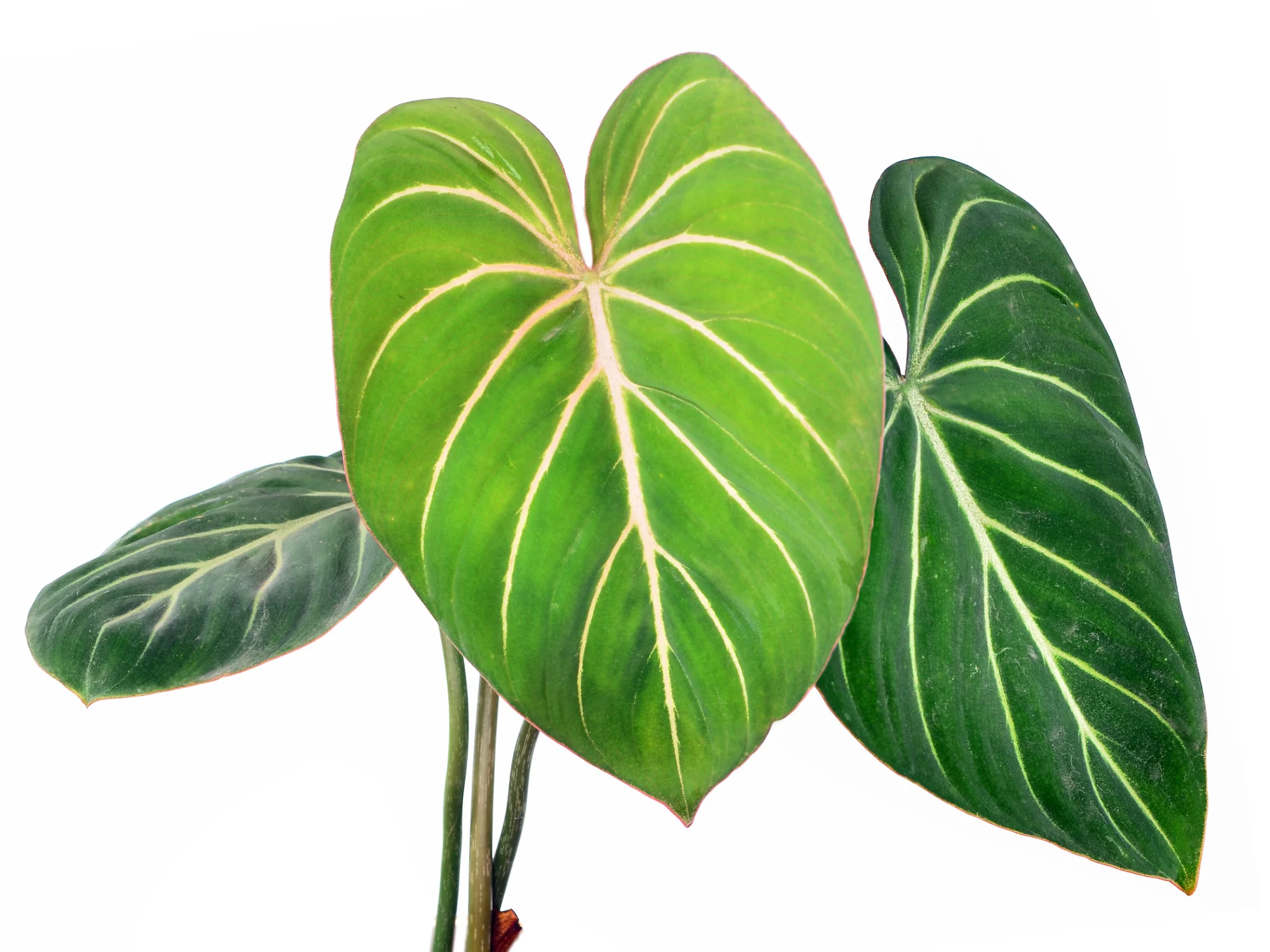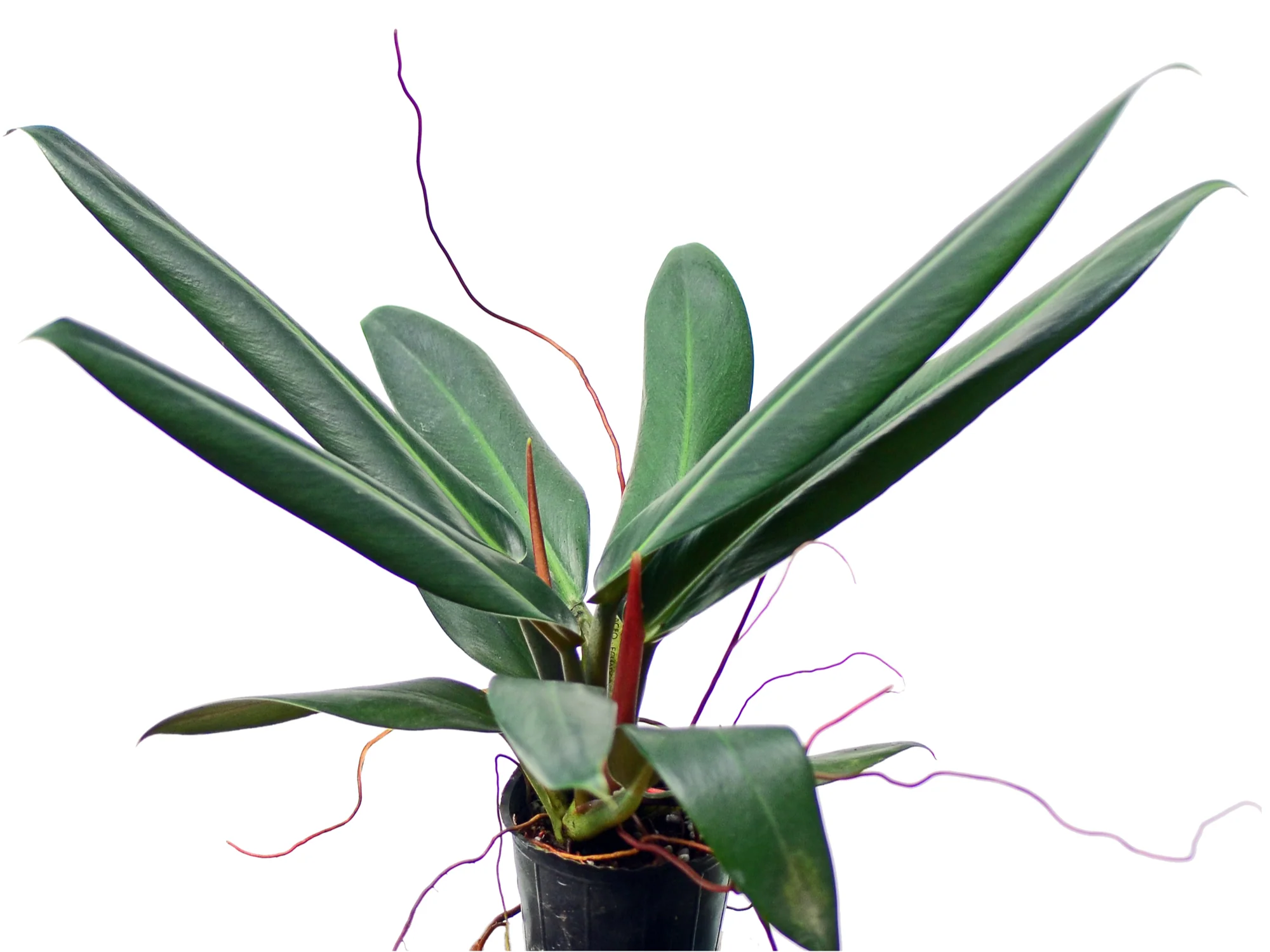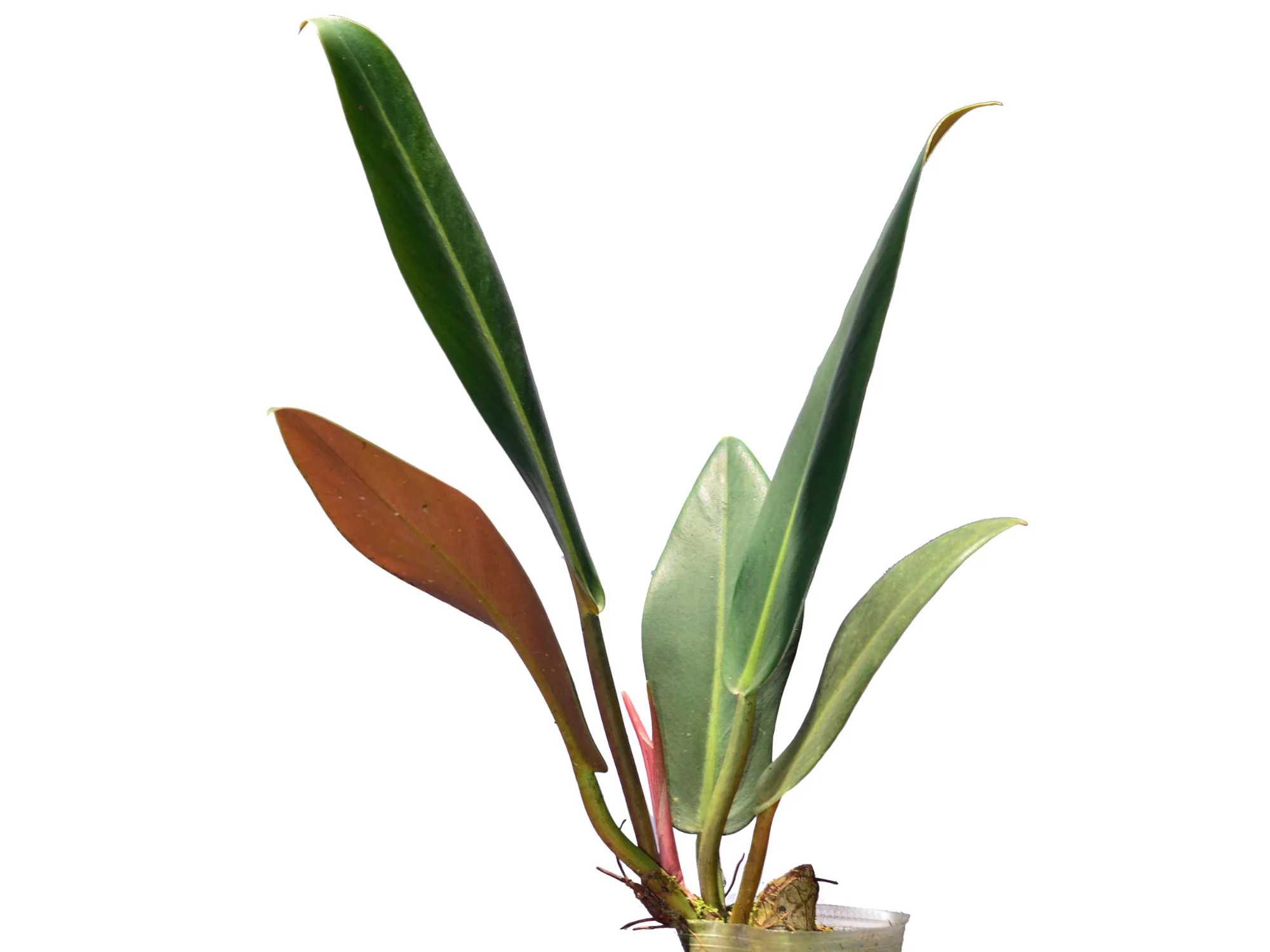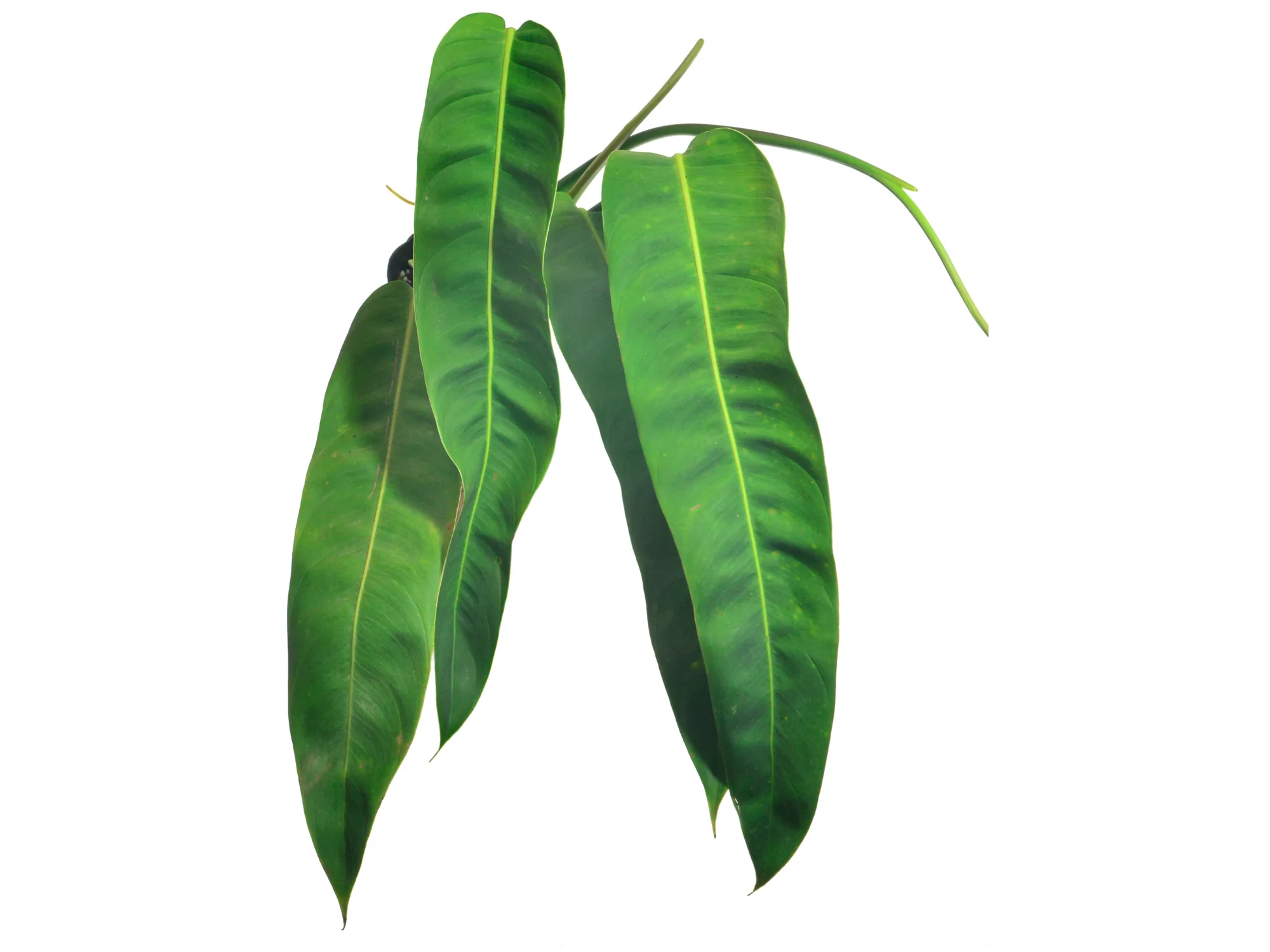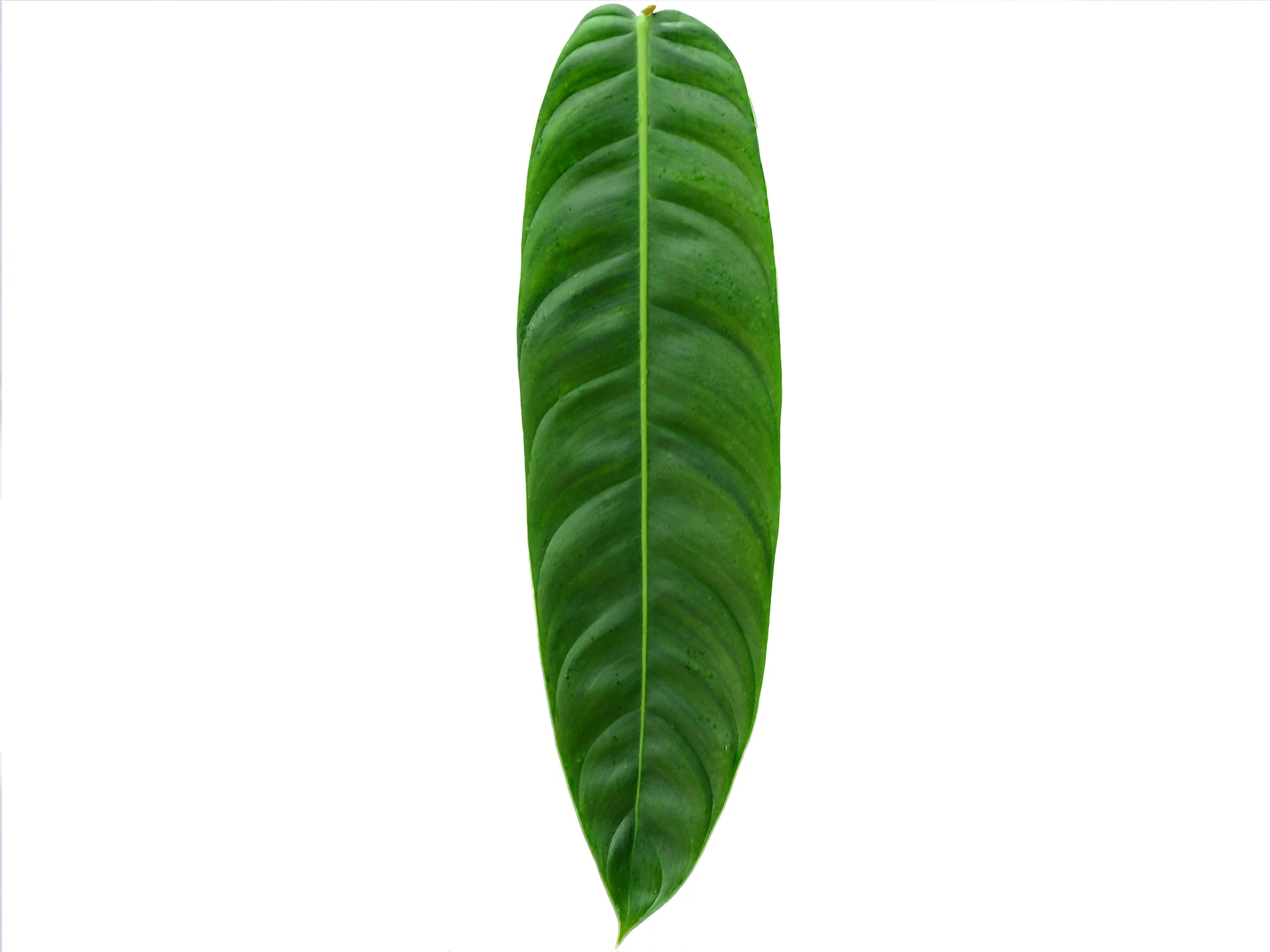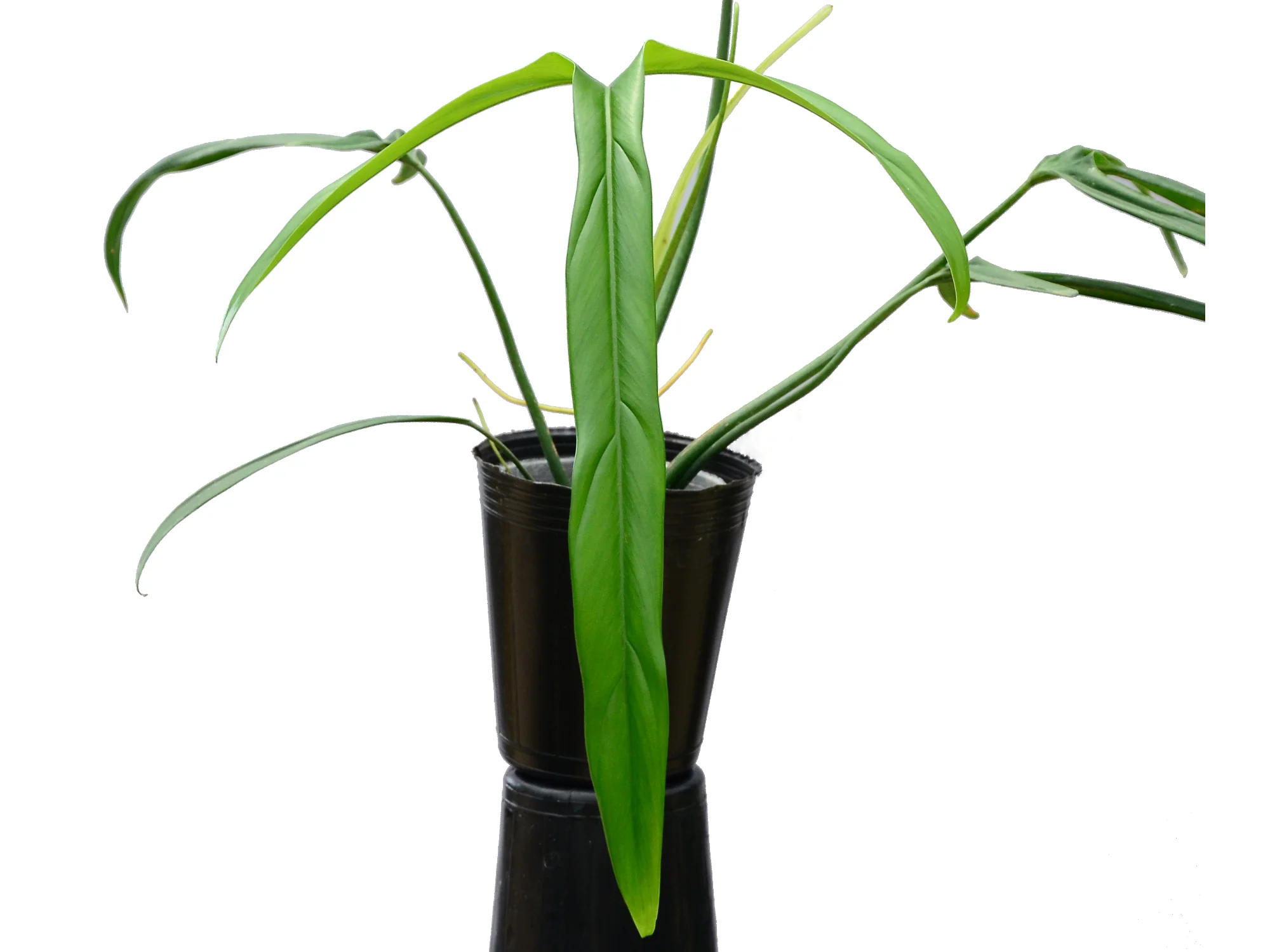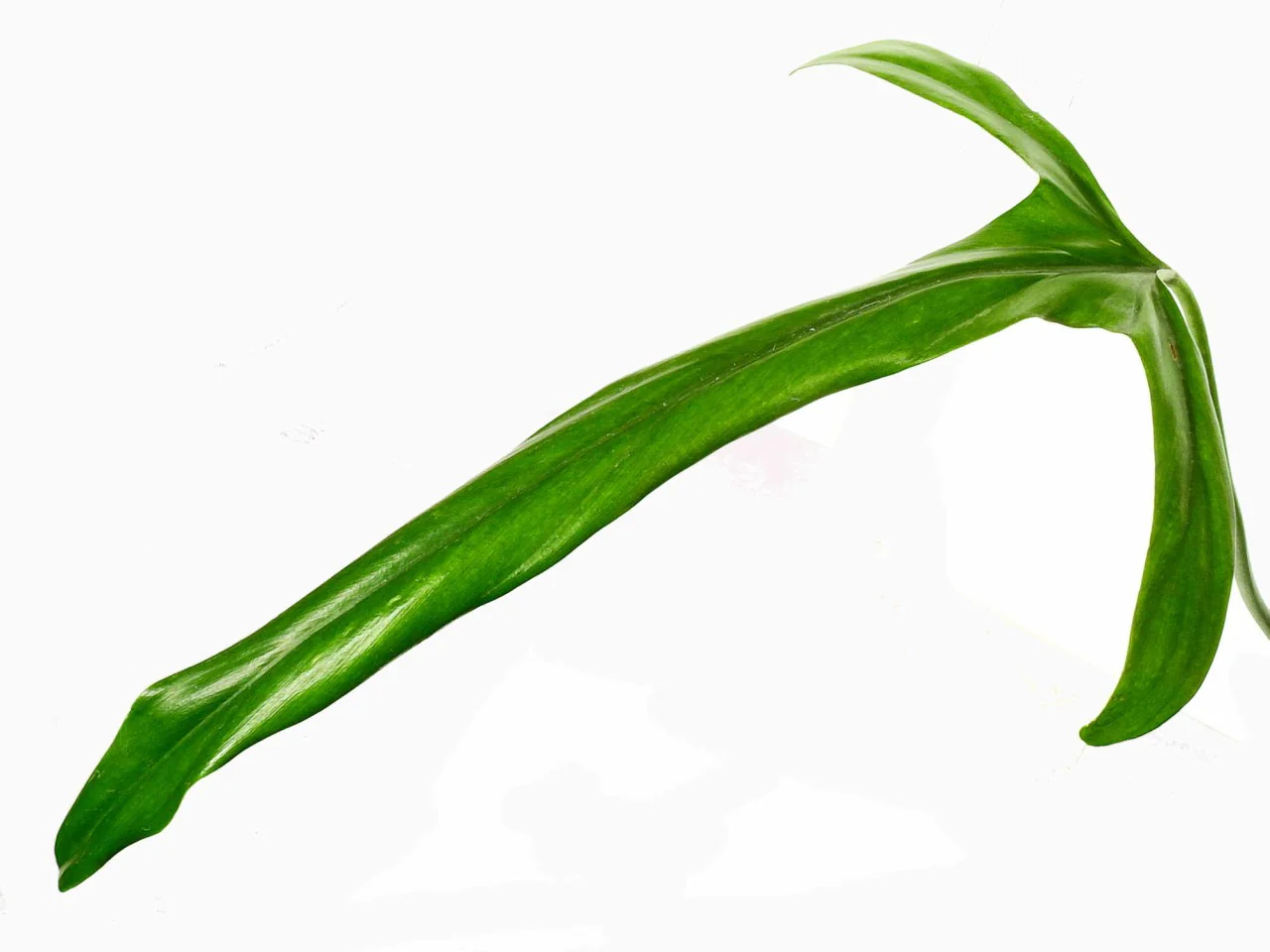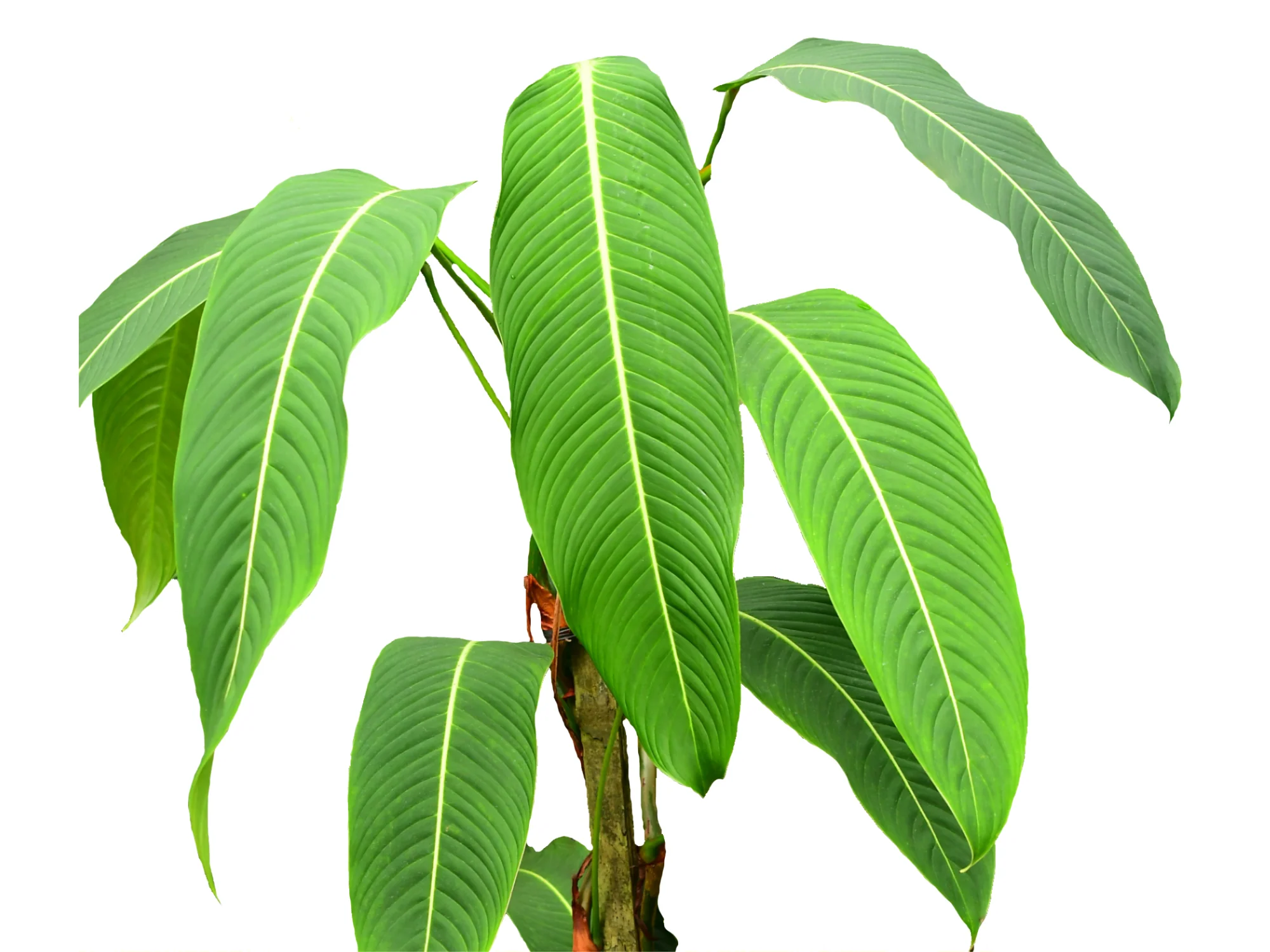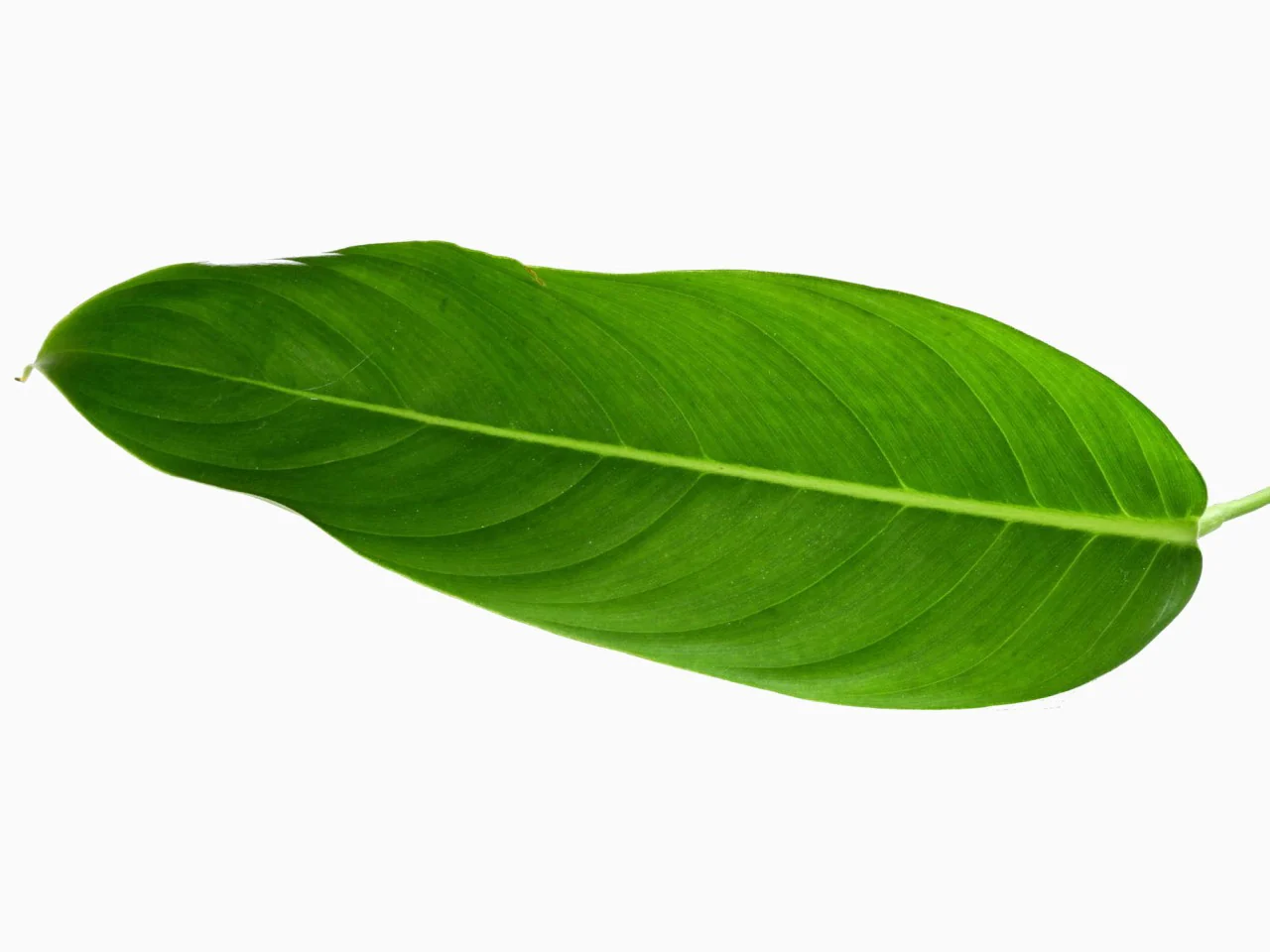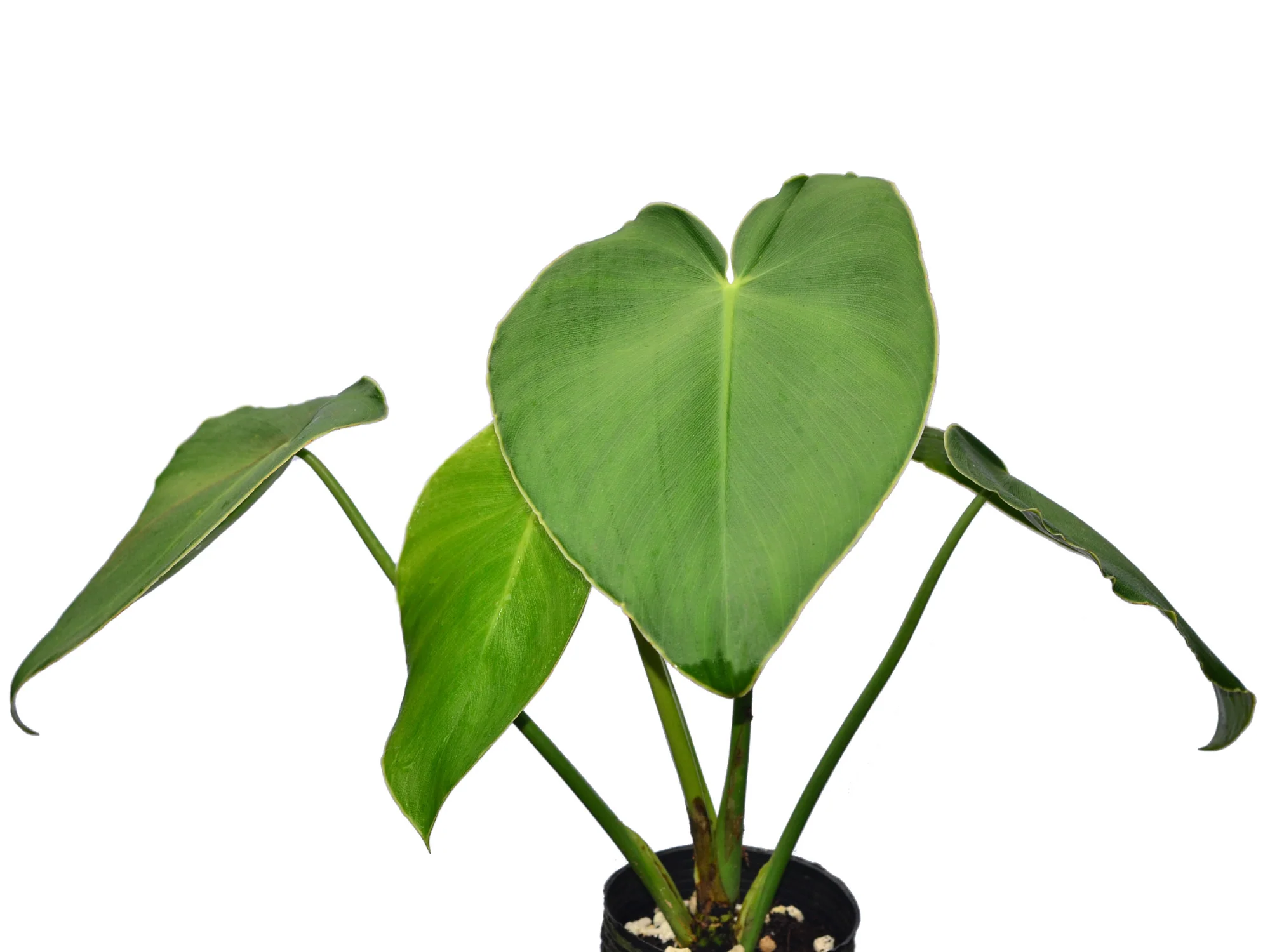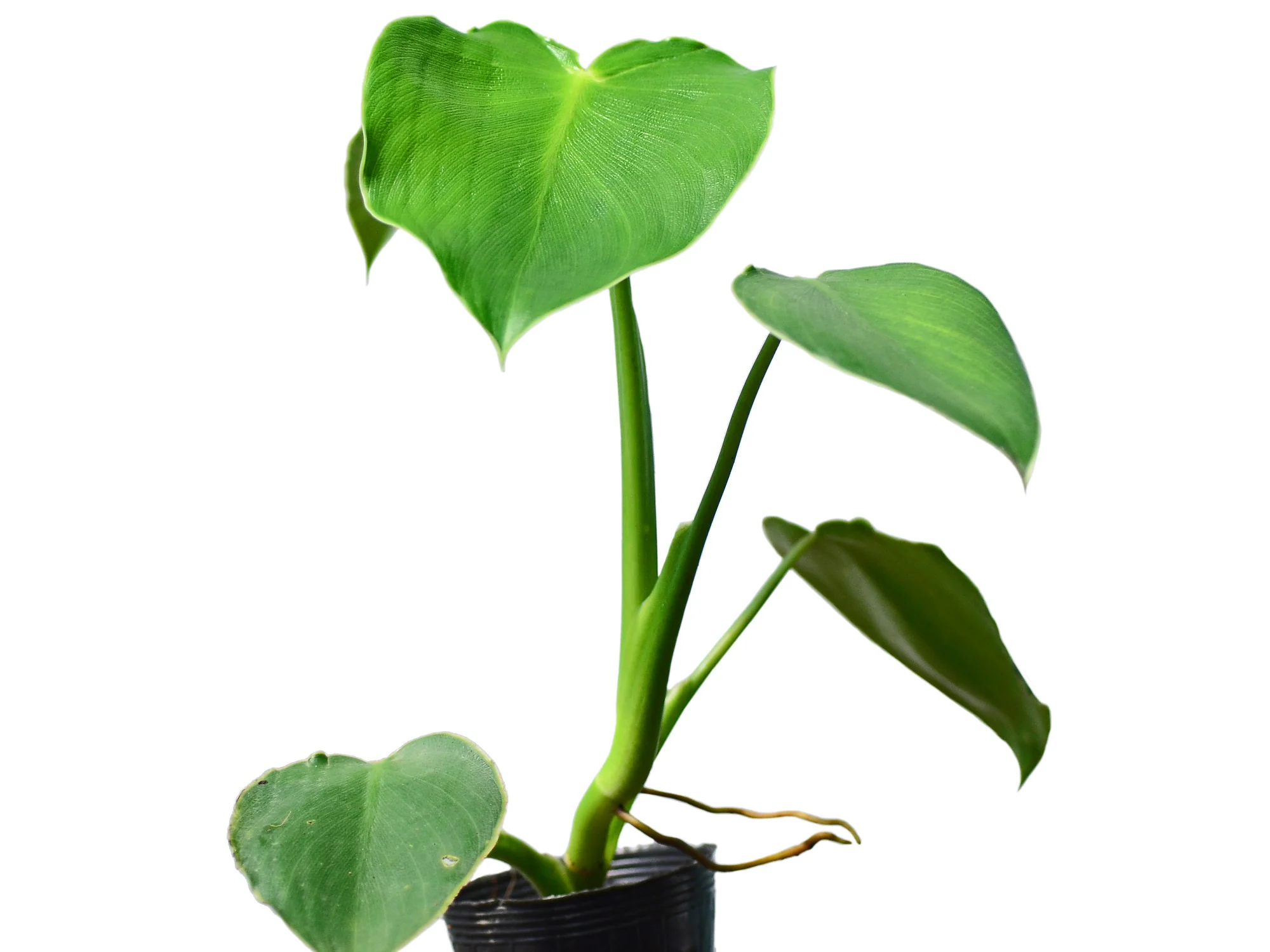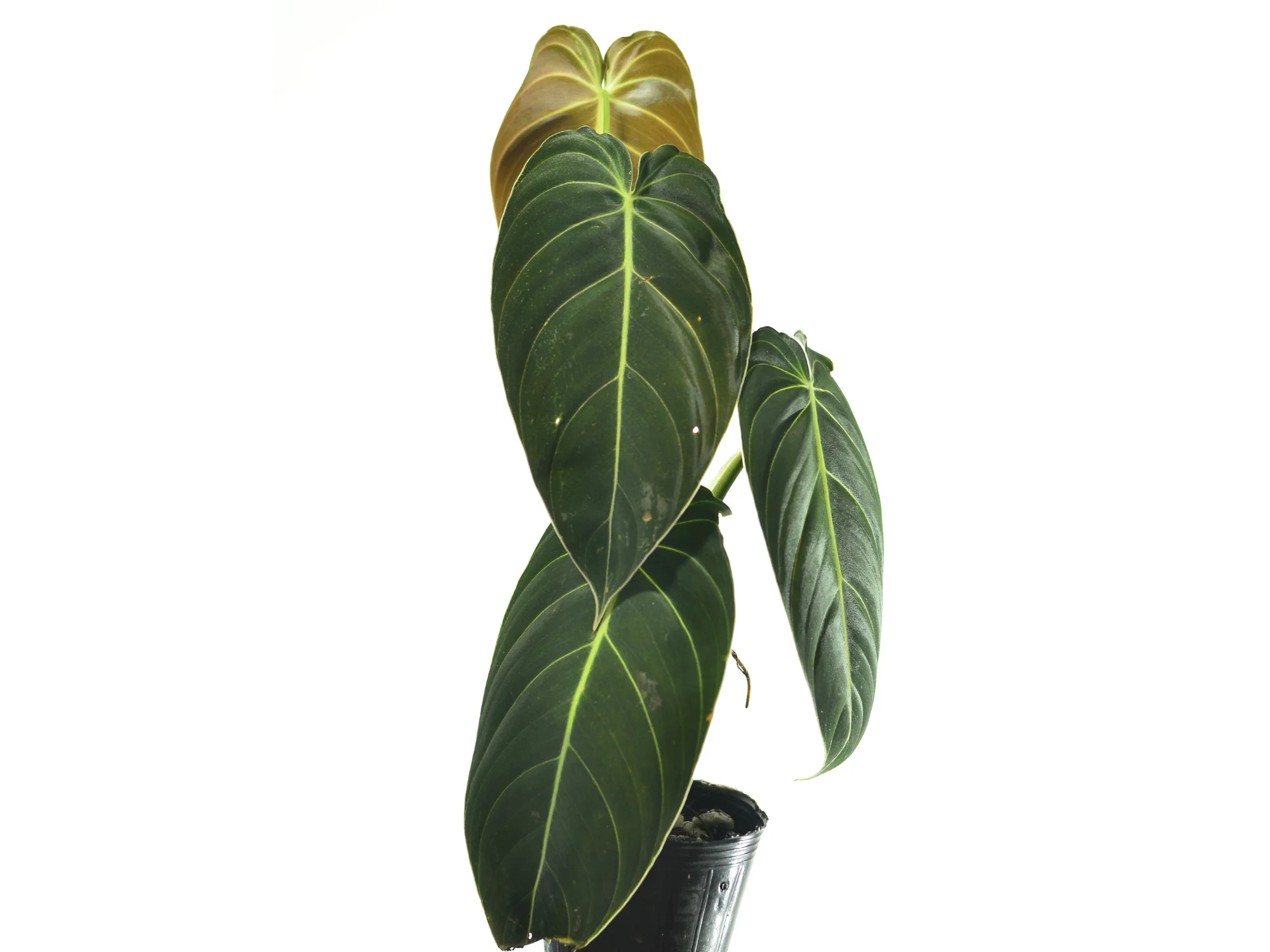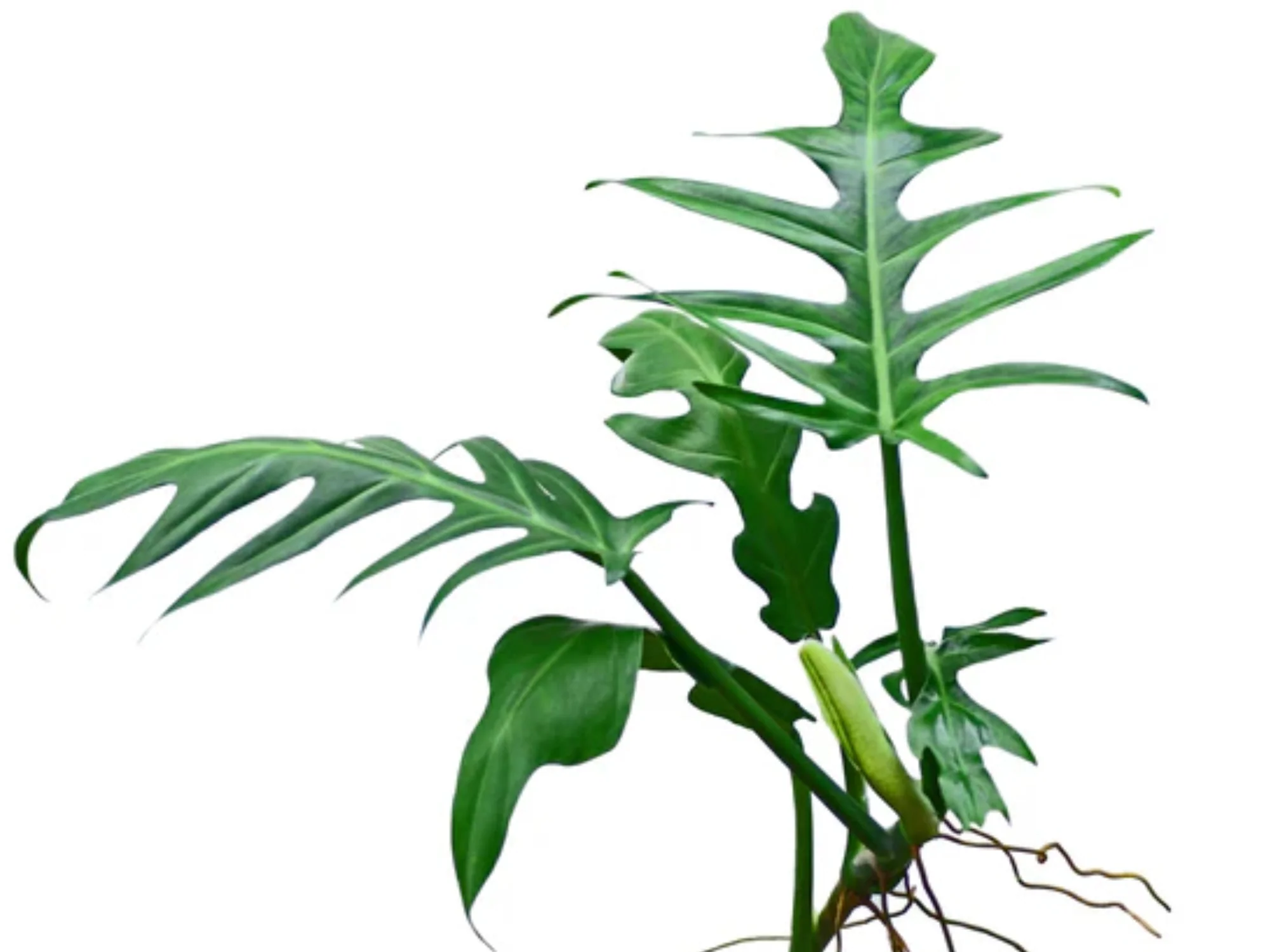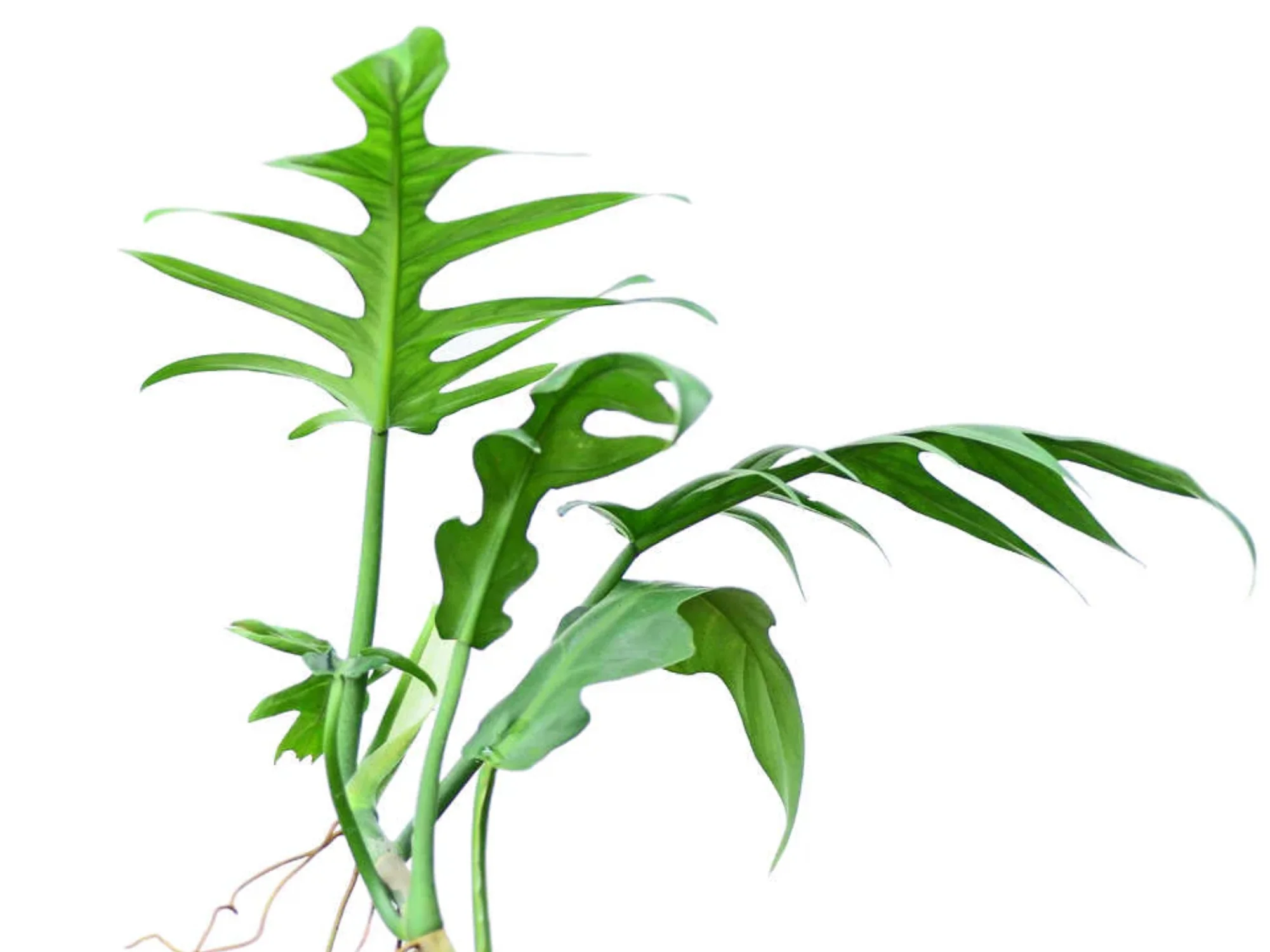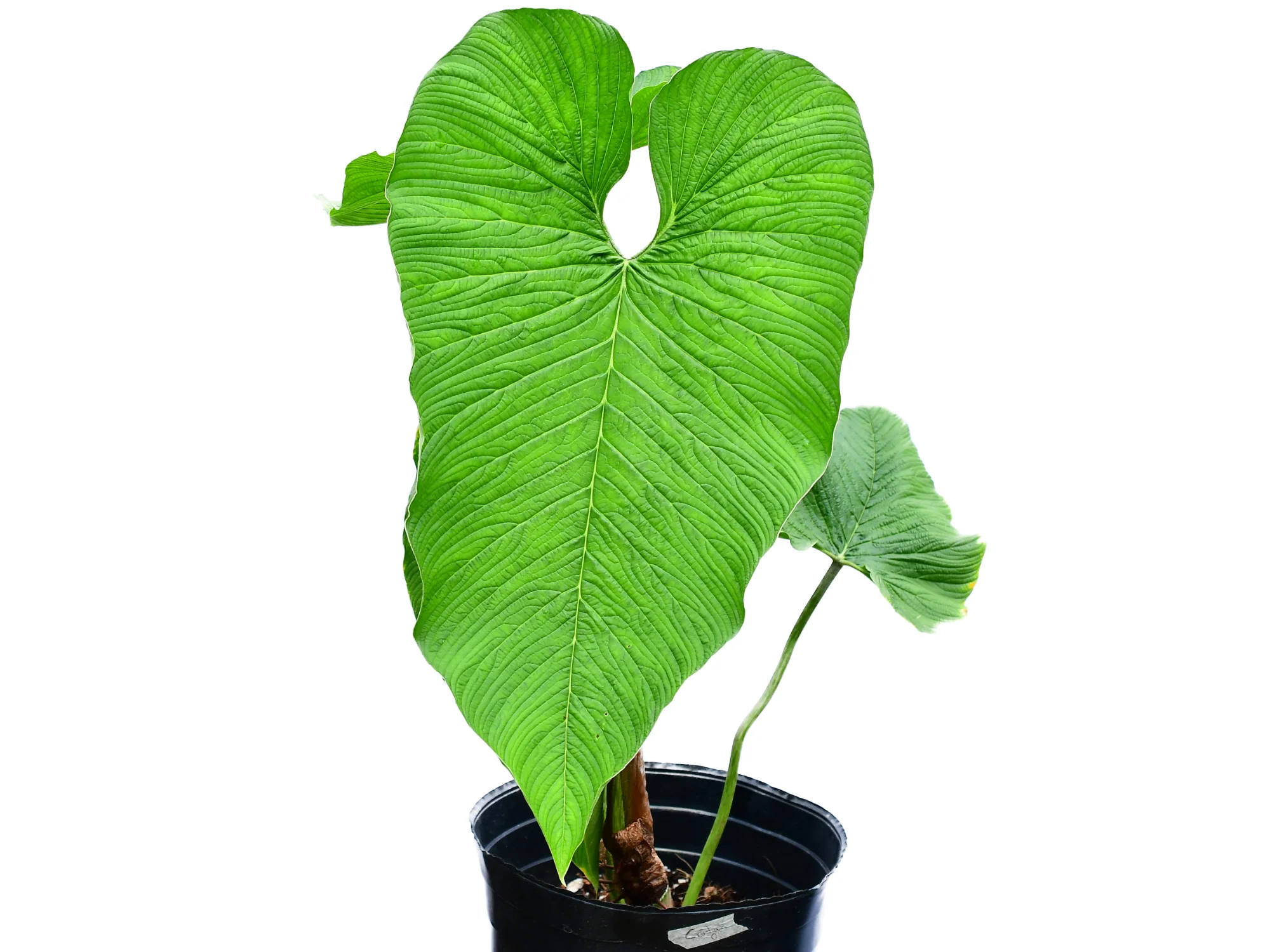
Monstera obliqua Peru
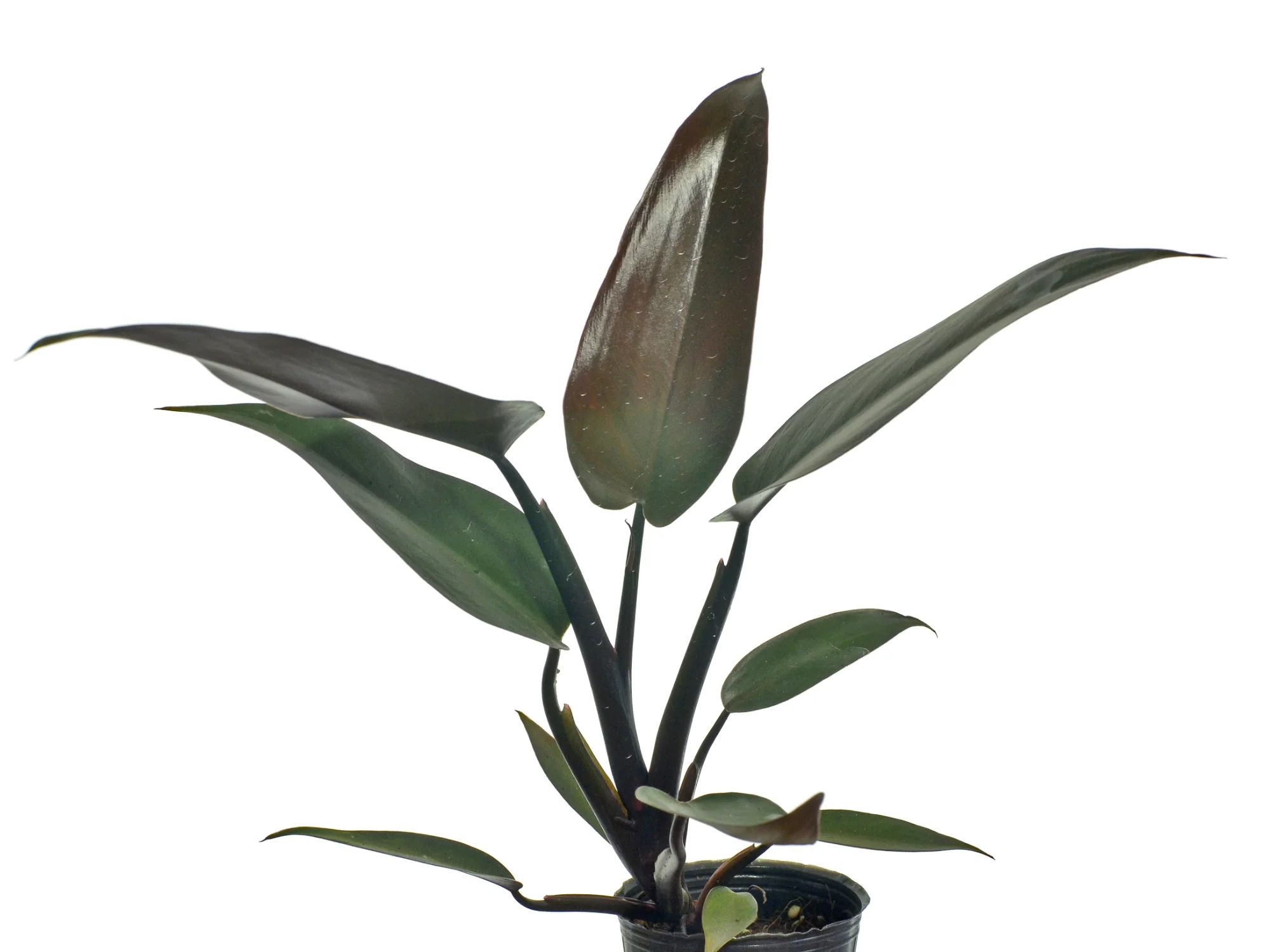
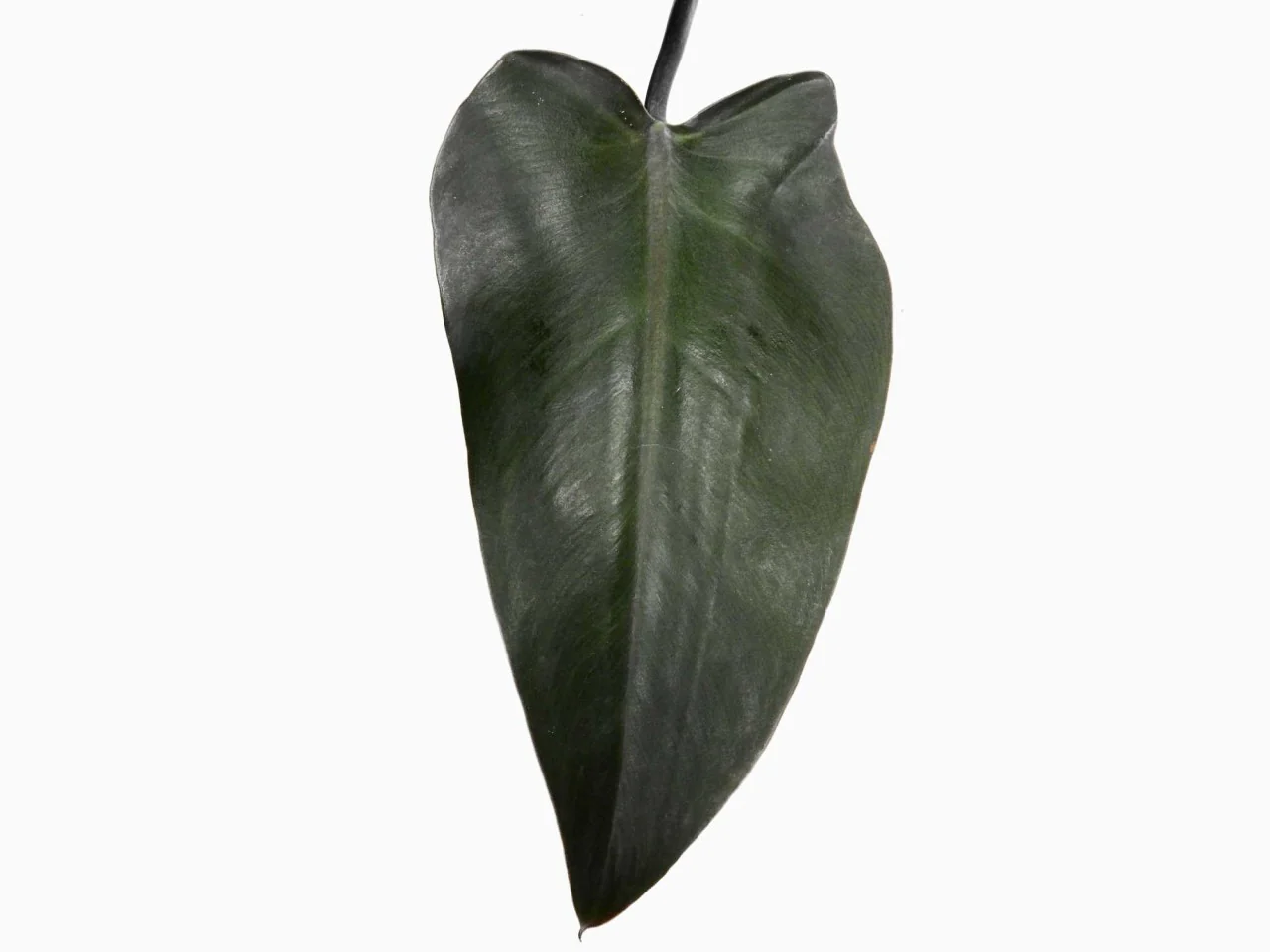
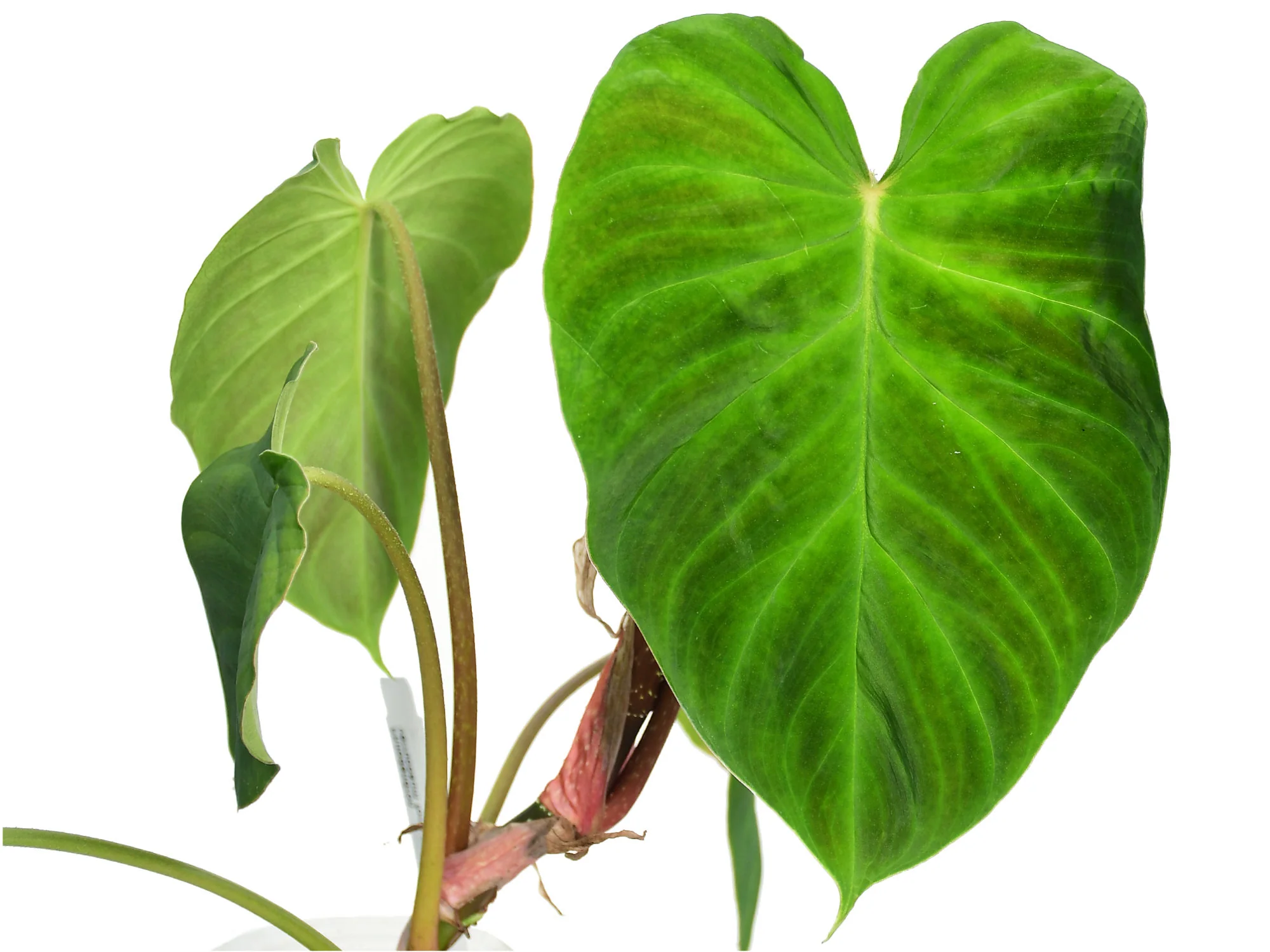
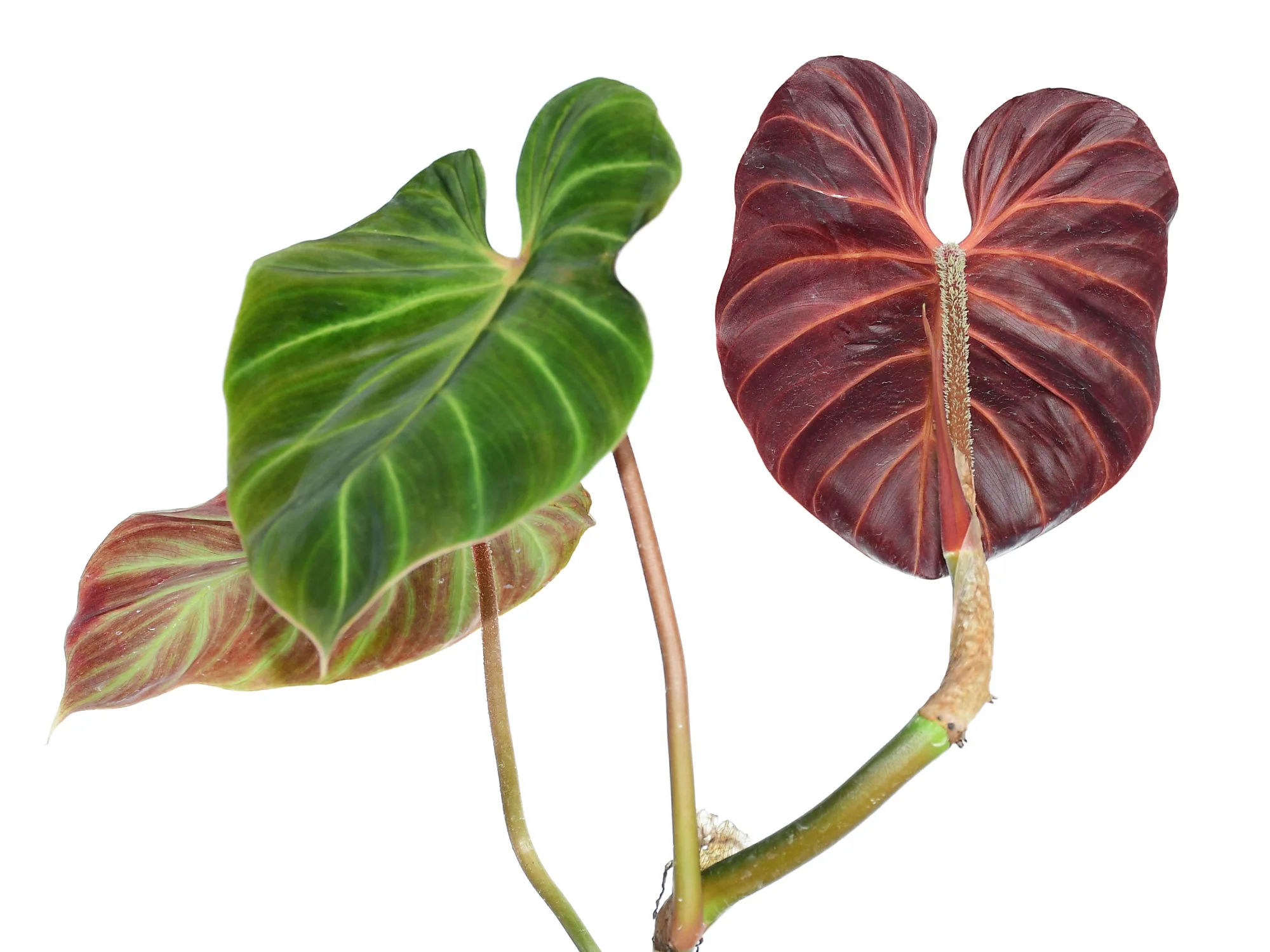
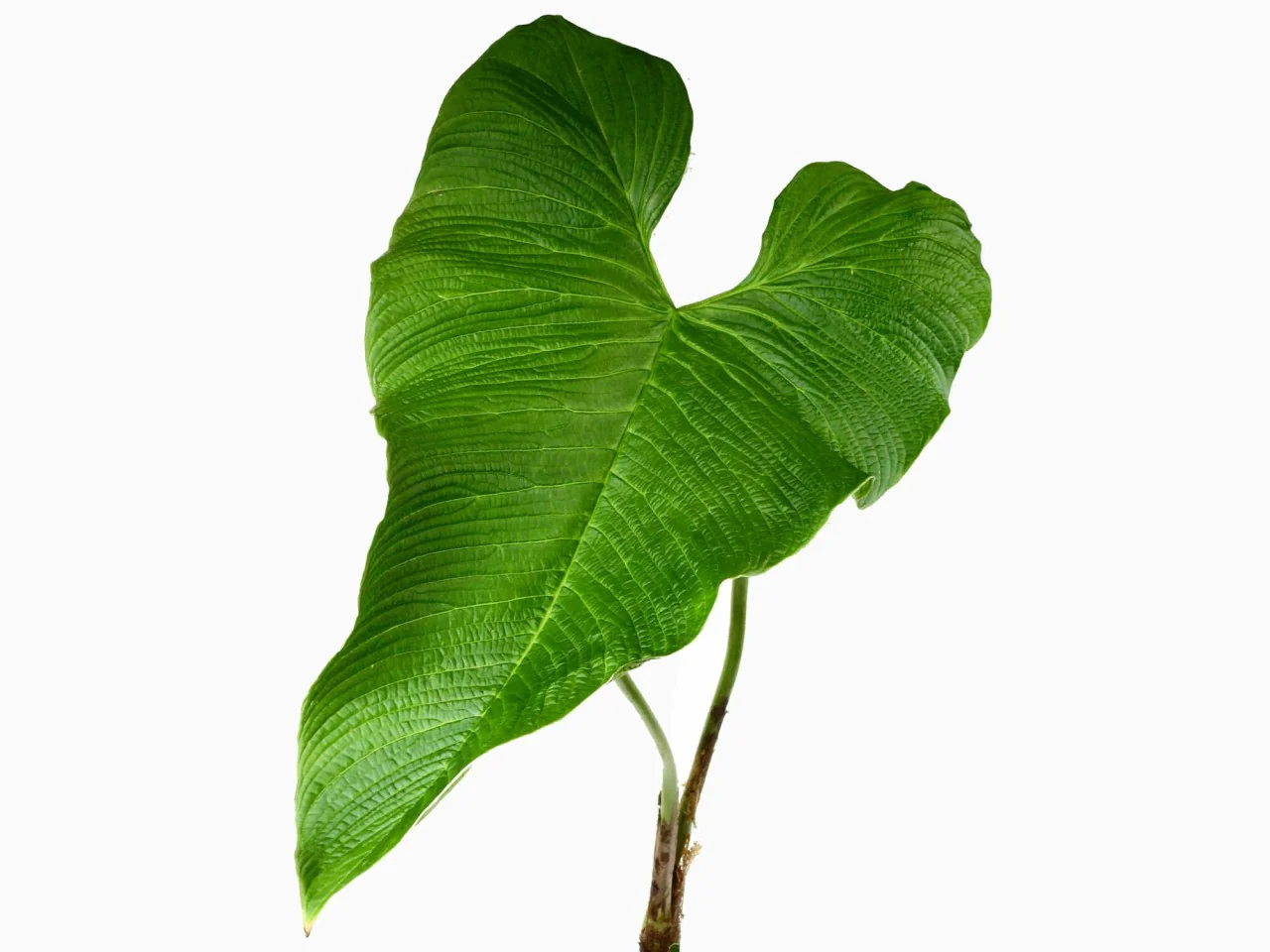
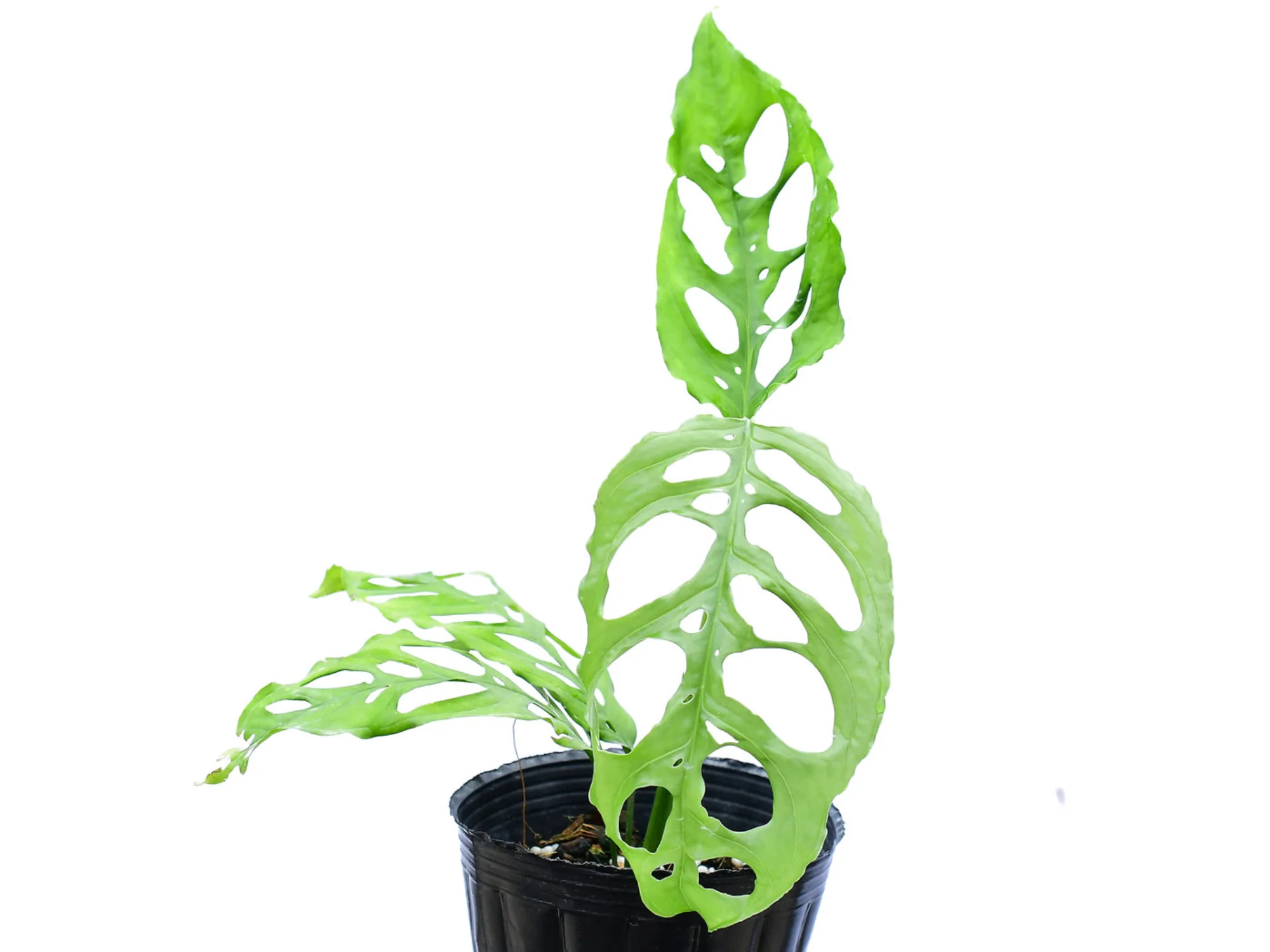
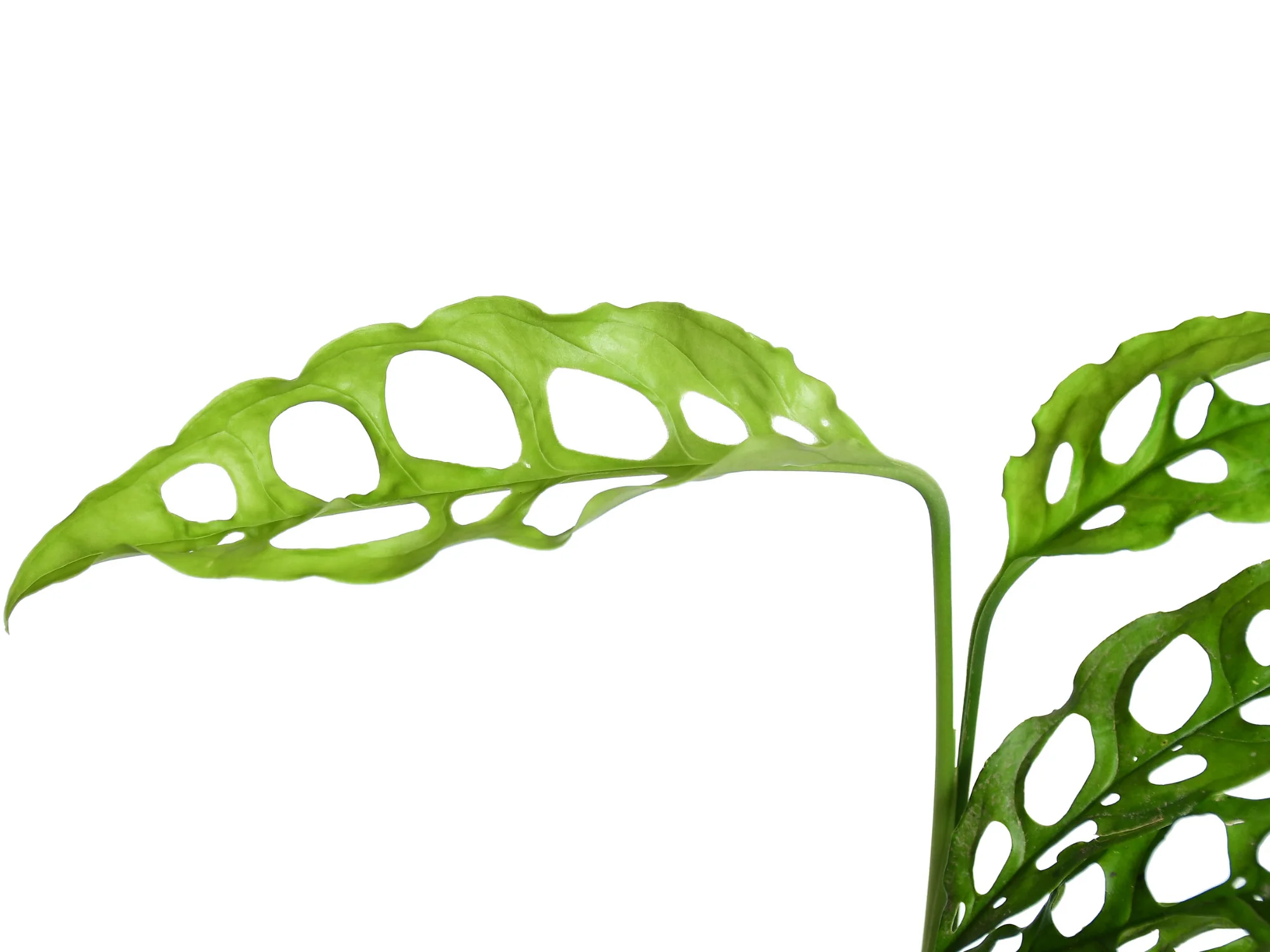
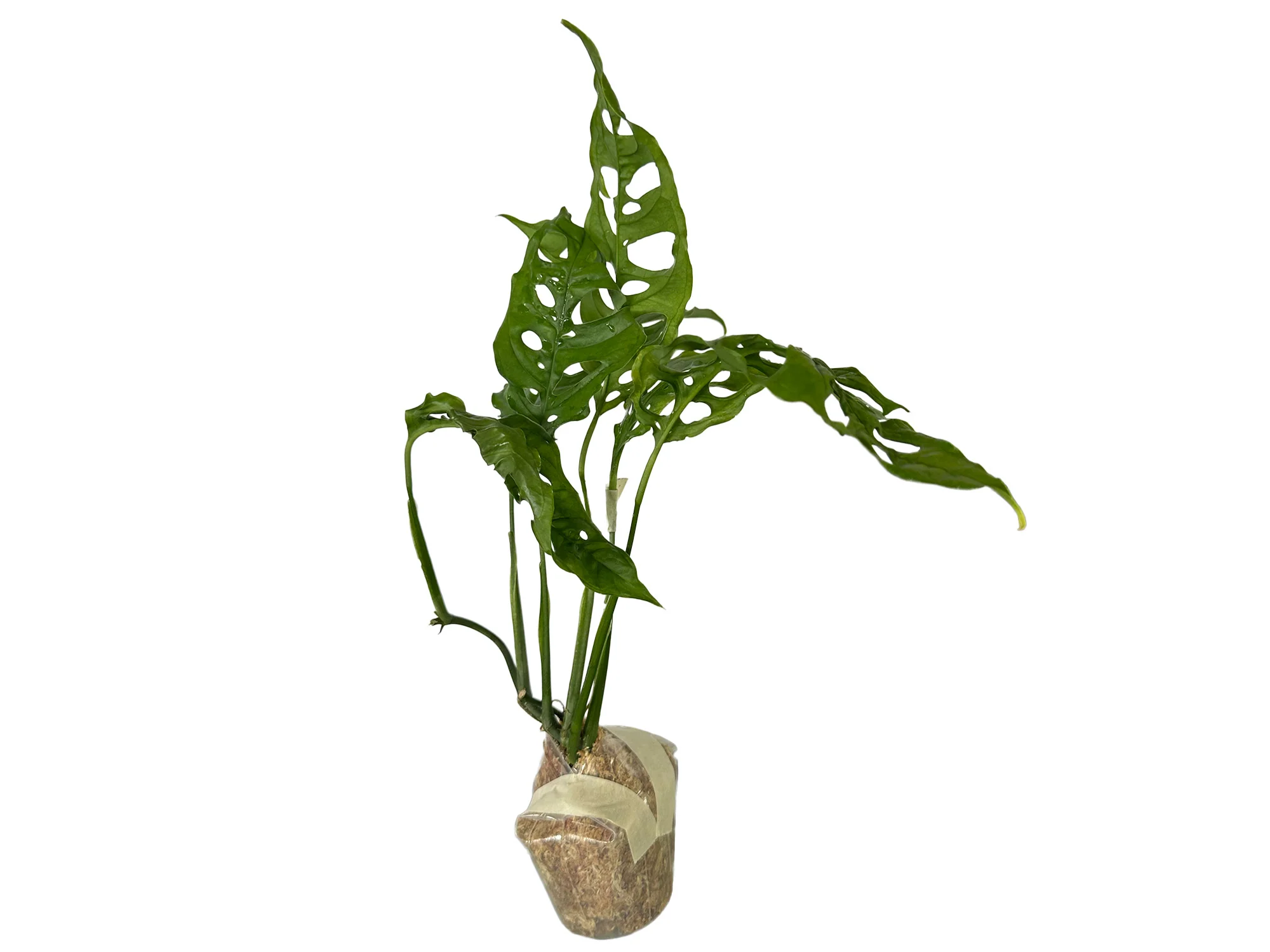
This is a highly prized, rare tropical vine, famous for its delicate, lacy foliage. Its paper-thin leaves have extreme fenestration (holes), often looking more like netting than leaf. Here are some tips for growing it successfully:
- Light: Prefers bright, indirect light. Direct sun must be avoided as it will easily scorch the thin, fragile leaves.
- Temperature: Thrives in warm, consistent temperatures, ideally between 65-85°F (18-29°C). It is highly sensitive to cold and temperature fluctuations.
- Humidity: Requires extremely high and stable humidity, ideally above 80%. It is typically necessary to grow this plant in a terrarium, cabinet, or greenhouse.
- Watering: Water when the top inch or two of a very loose, airy potting mix feels dry to the touch. The soil should stay consistently moist but never waterlogged.
Additional Notes
This climbing aroid uses aerial roots to attach to a support pole, which is essential for it to produce its largest, mature leaves. Like most Monsteras, this plant is considered toxic if ingested by humans or pets.
Original: $29.00
-70%$29.00
$8.70Product Information
Product Information
Shipping & Returns
Shipping & Returns
Description
This is a highly prized, rare tropical vine, famous for its delicate, lacy foliage. Its paper-thin leaves have extreme fenestration (holes), often looking more like netting than leaf. Here are some tips for growing it successfully:
- Light: Prefers bright, indirect light. Direct sun must be avoided as it will easily scorch the thin, fragile leaves.
- Temperature: Thrives in warm, consistent temperatures, ideally between 65-85°F (18-29°C). It is highly sensitive to cold and temperature fluctuations.
- Humidity: Requires extremely high and stable humidity, ideally above 80%. It is typically necessary to grow this plant in a terrarium, cabinet, or greenhouse.
- Watering: Water when the top inch or two of a very loose, airy potting mix feels dry to the touch. The soil should stay consistently moist but never waterlogged.
Additional Notes
This climbing aroid uses aerial roots to attach to a support pole, which is essential for it to produce its largest, mature leaves. Like most Monsteras, this plant is considered toxic if ingested by humans or pets.