🚚 Free Worldwide Shipping on All Orders!Shop Now

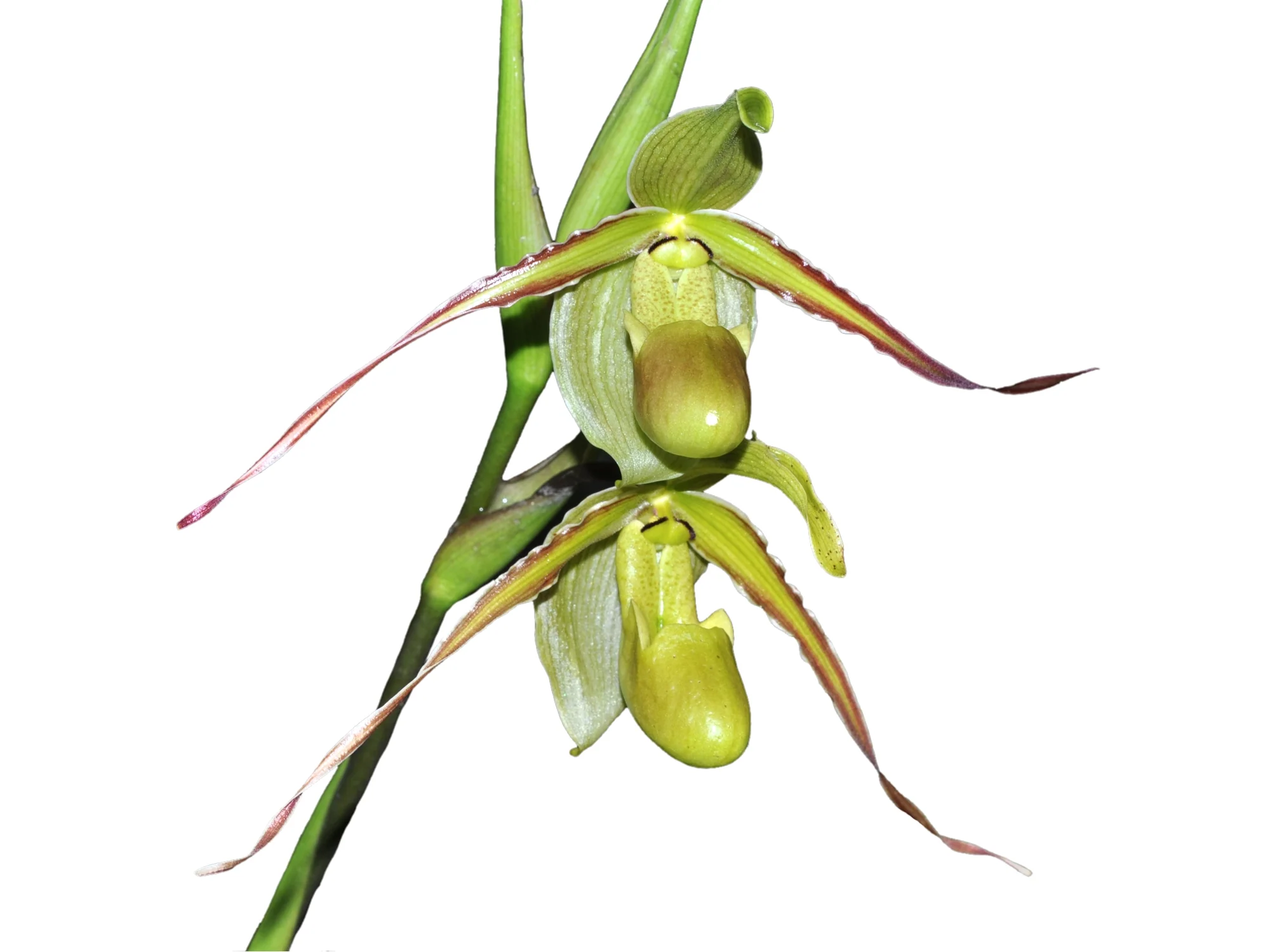
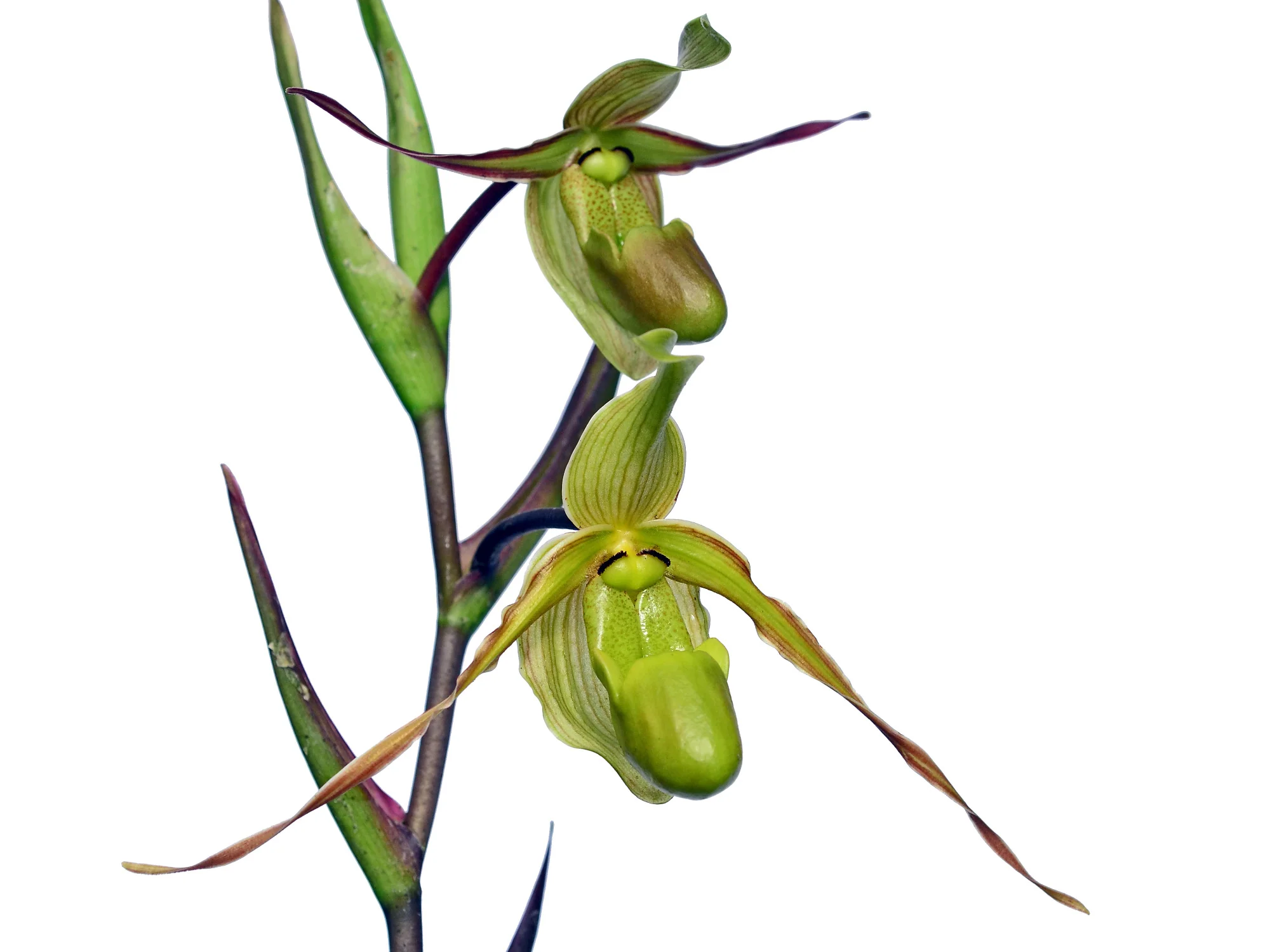
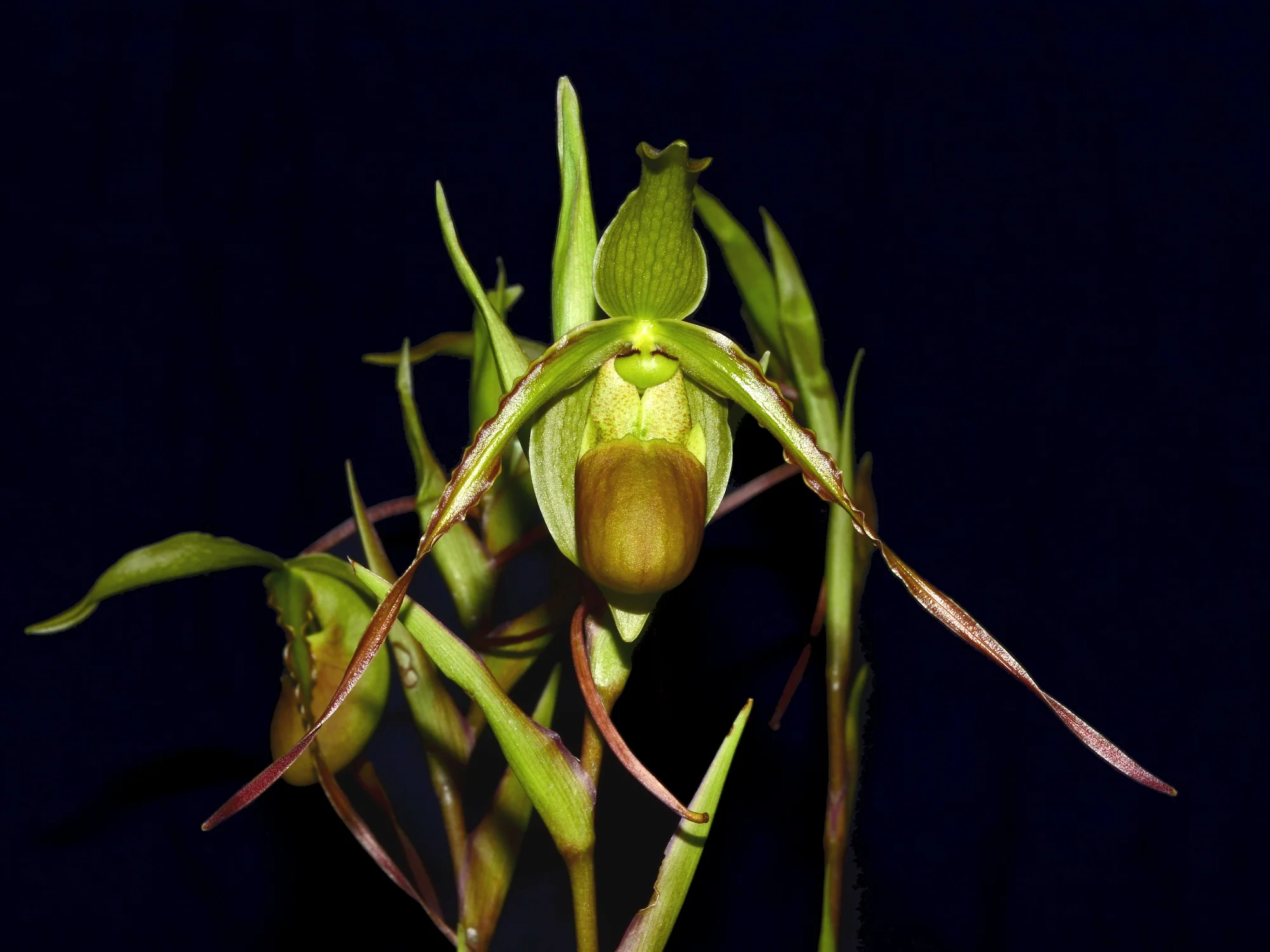
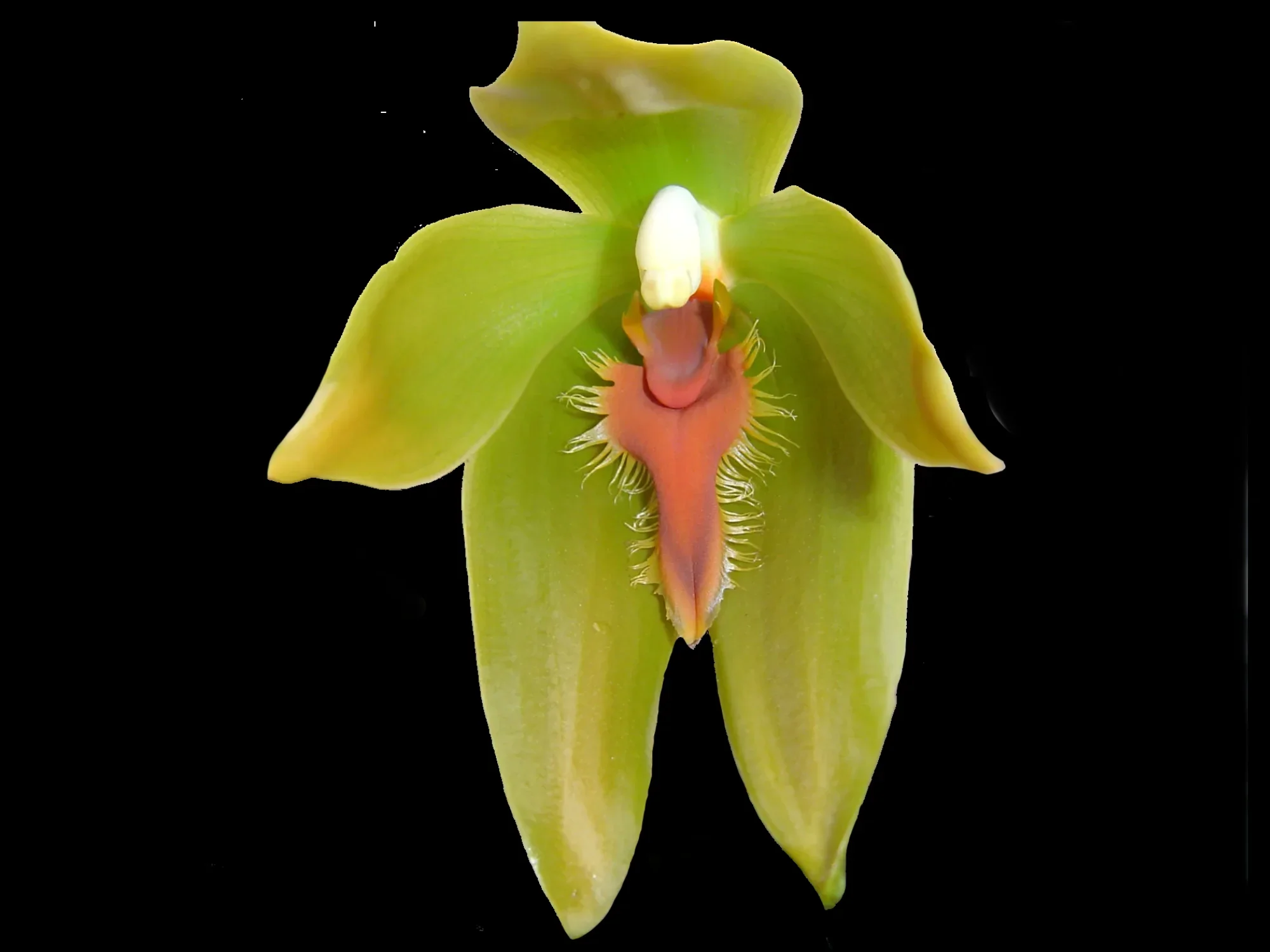
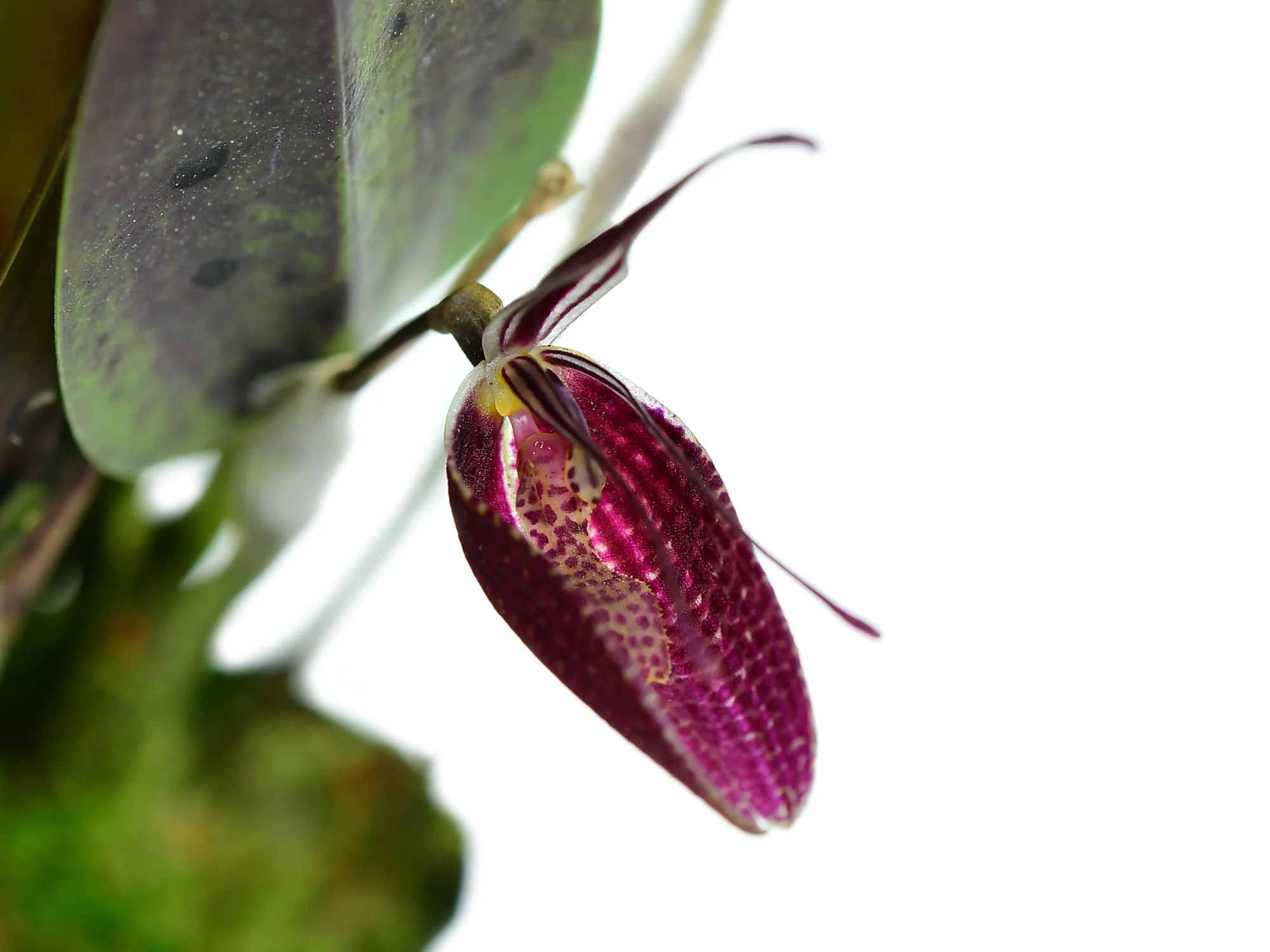
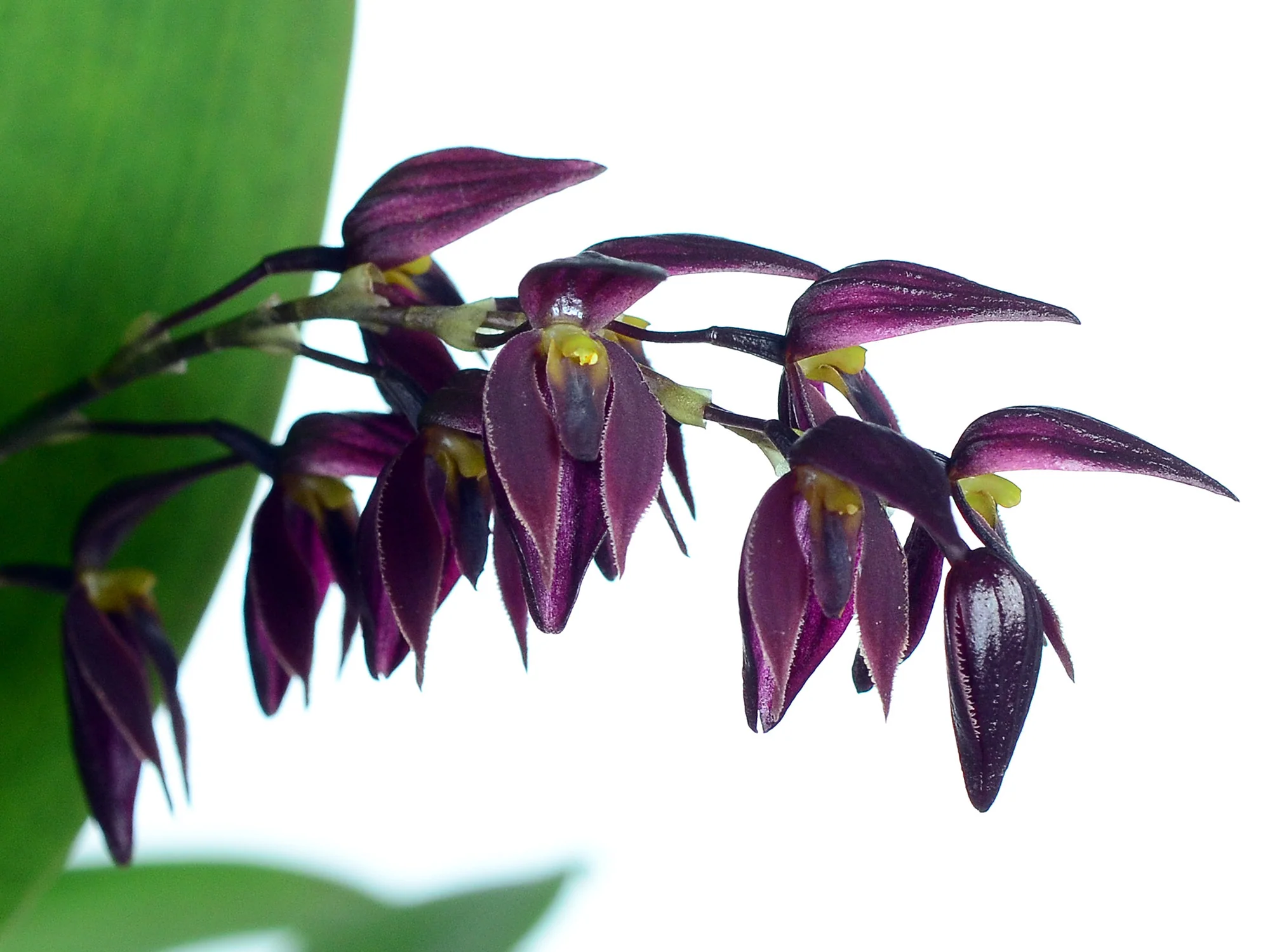
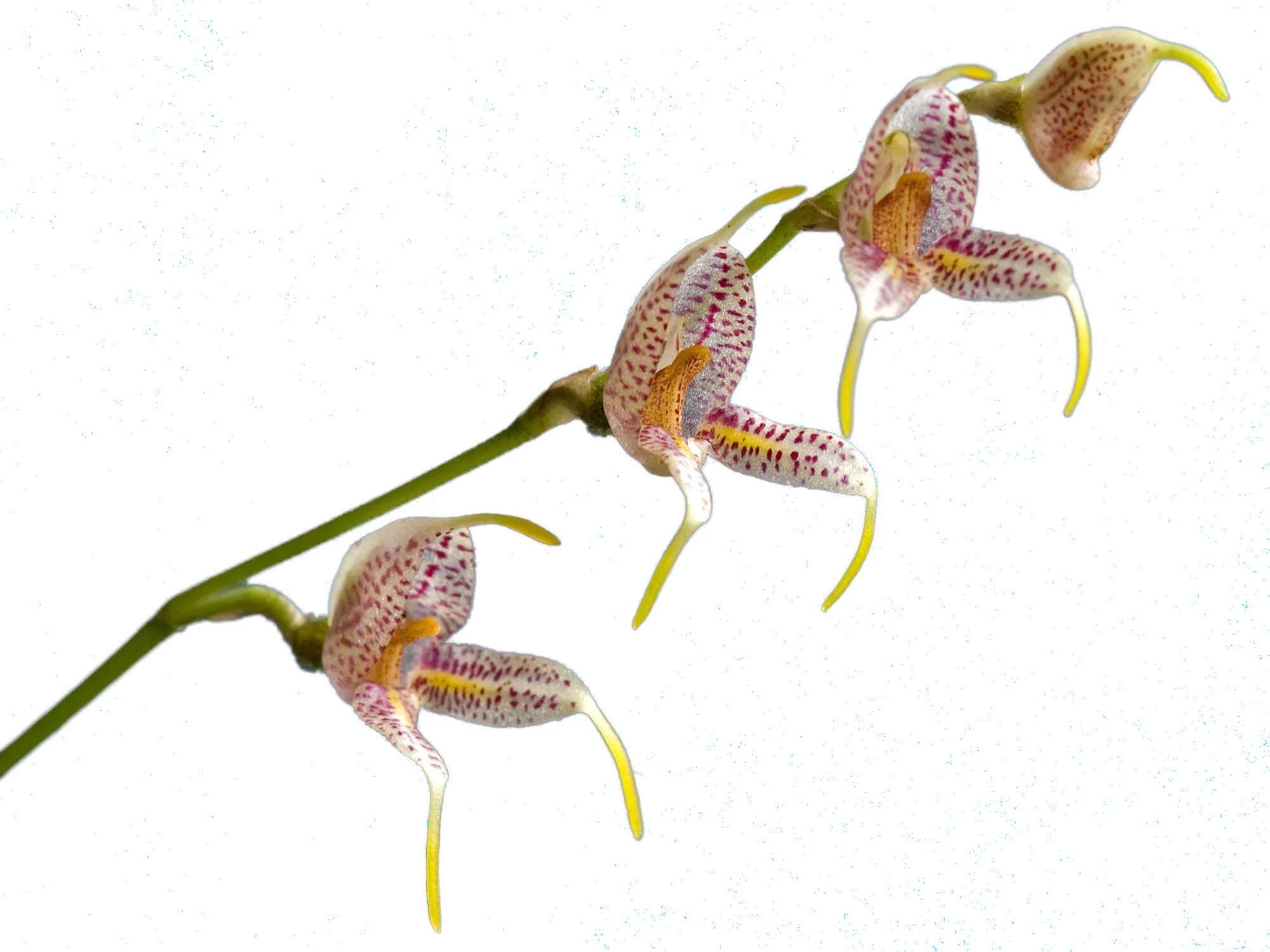
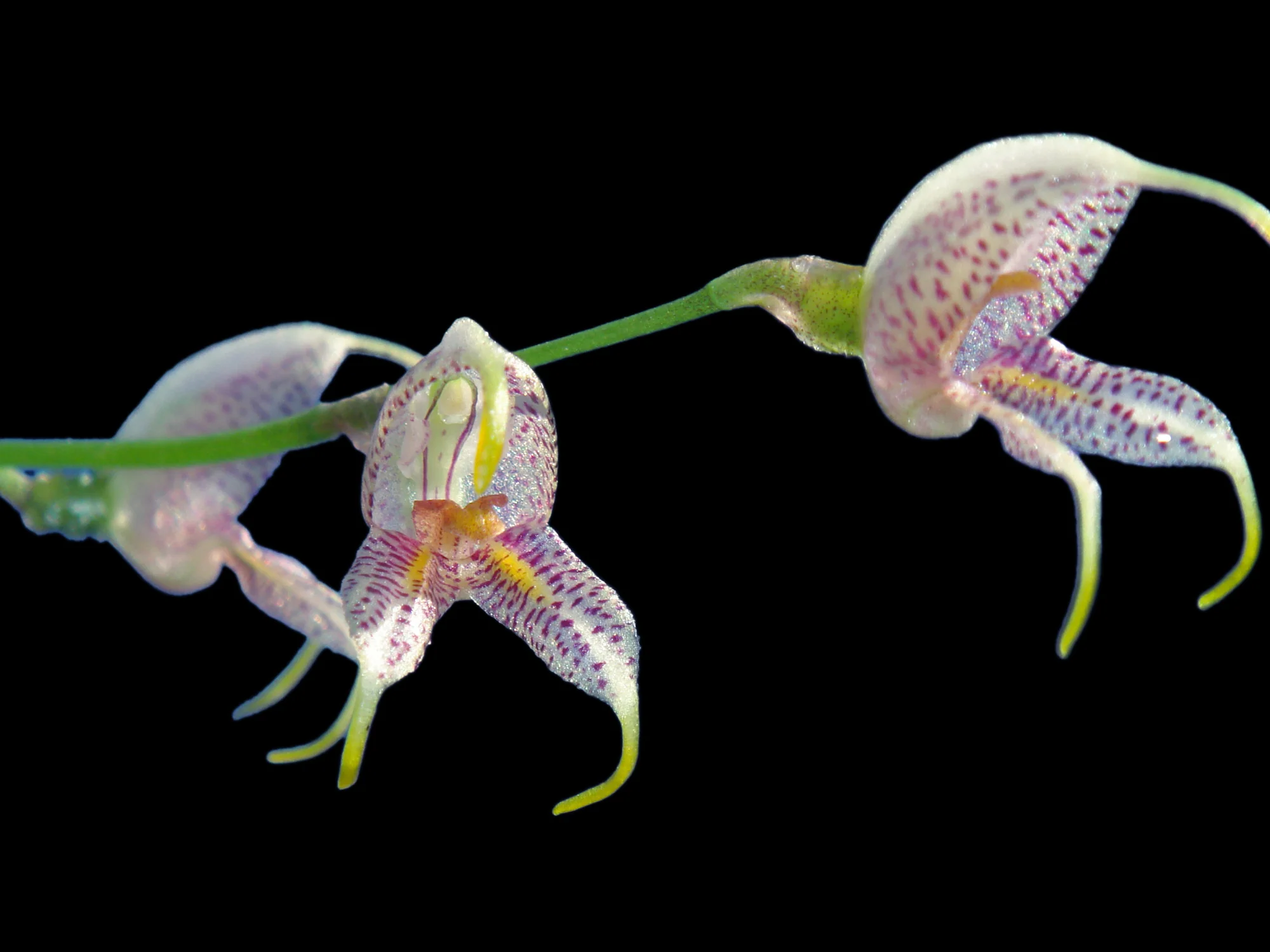
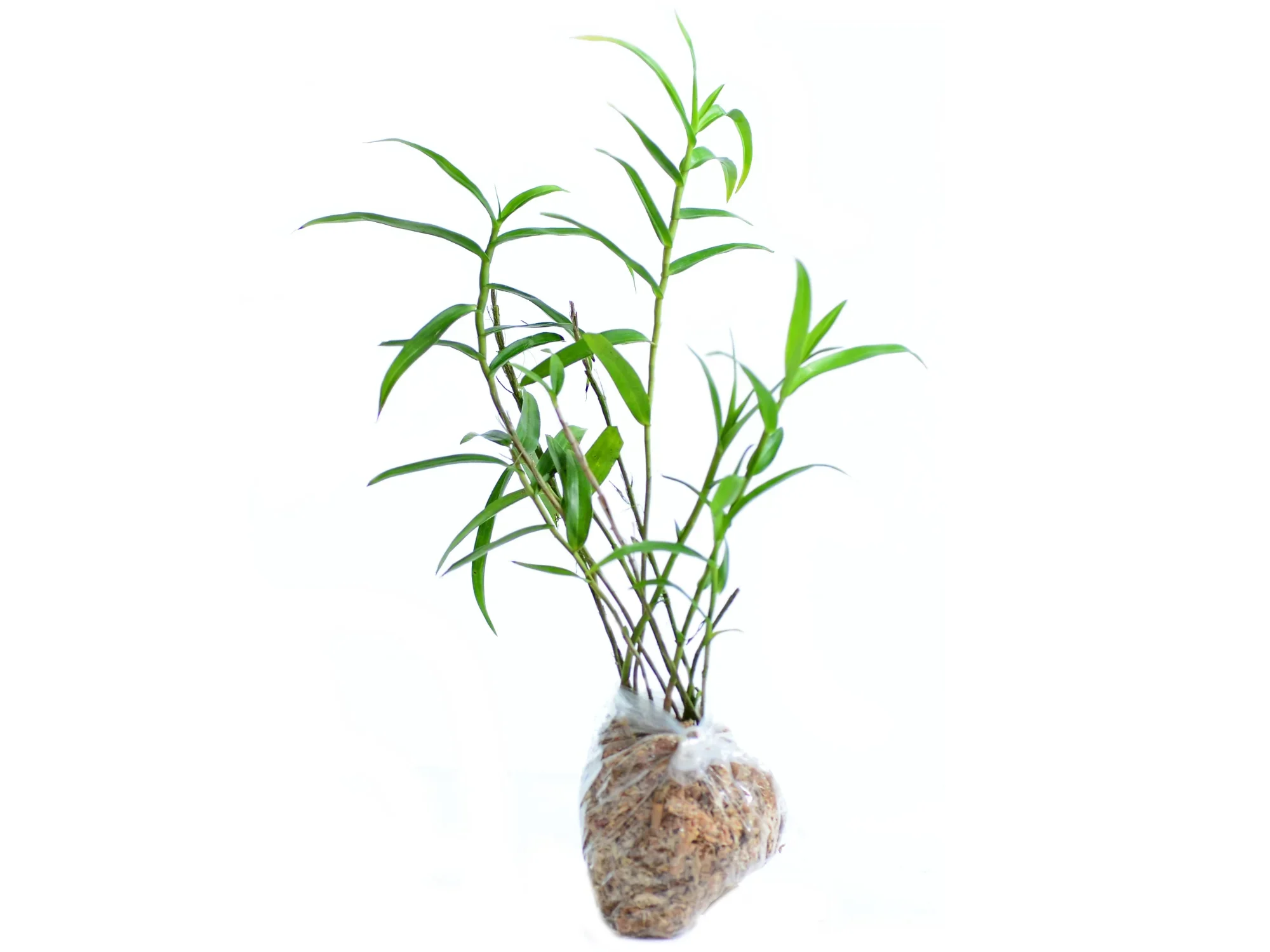
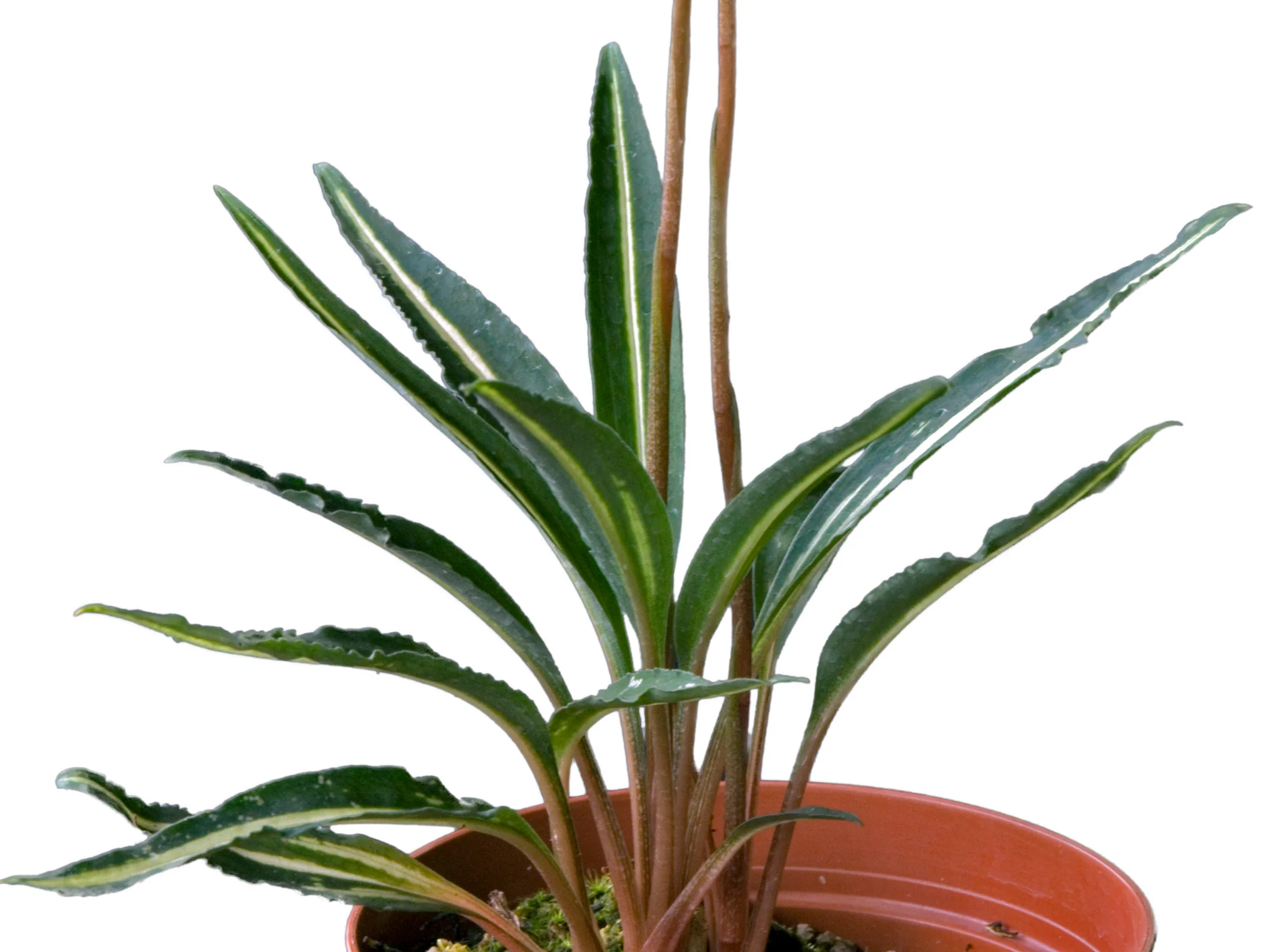
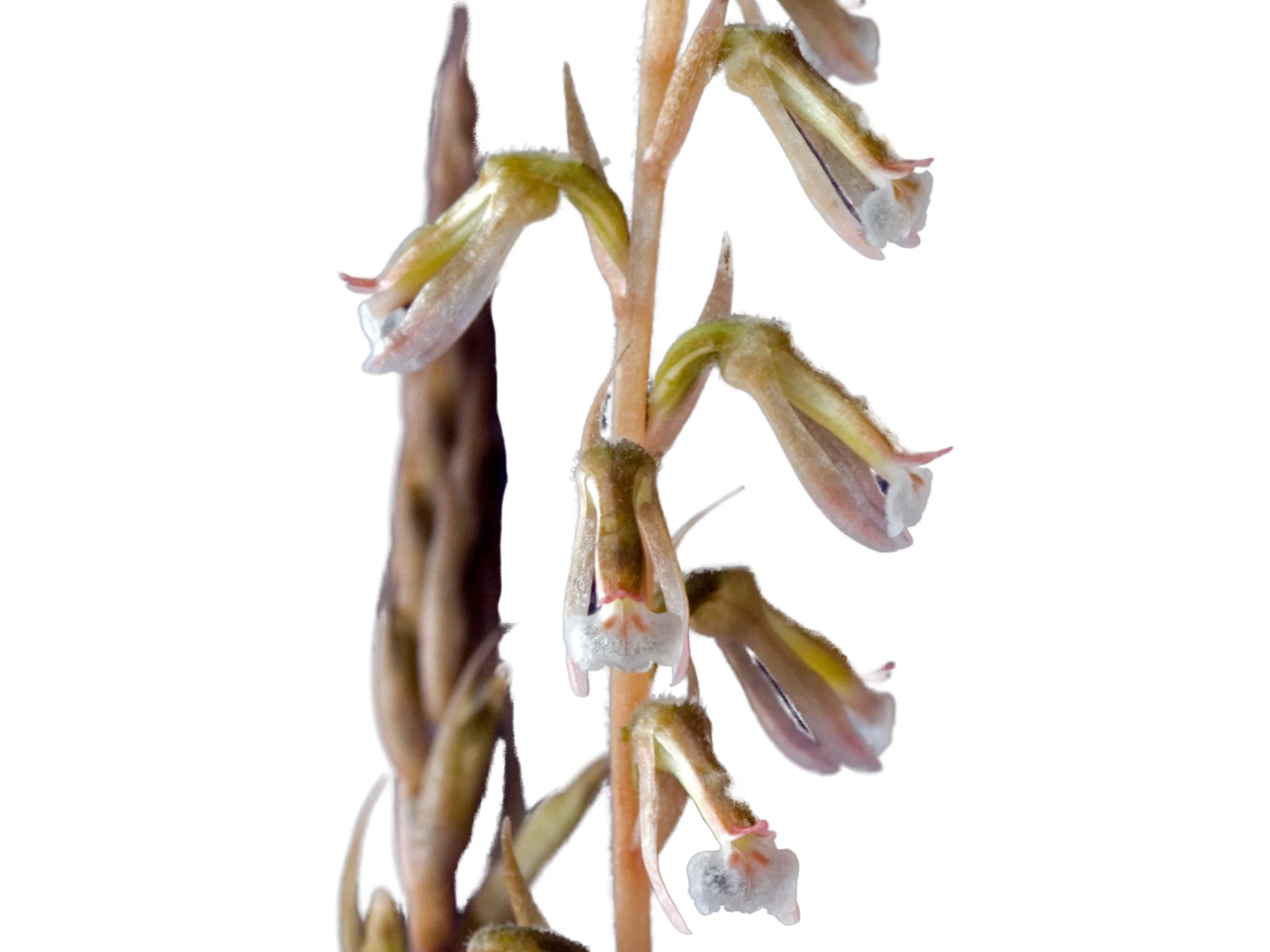
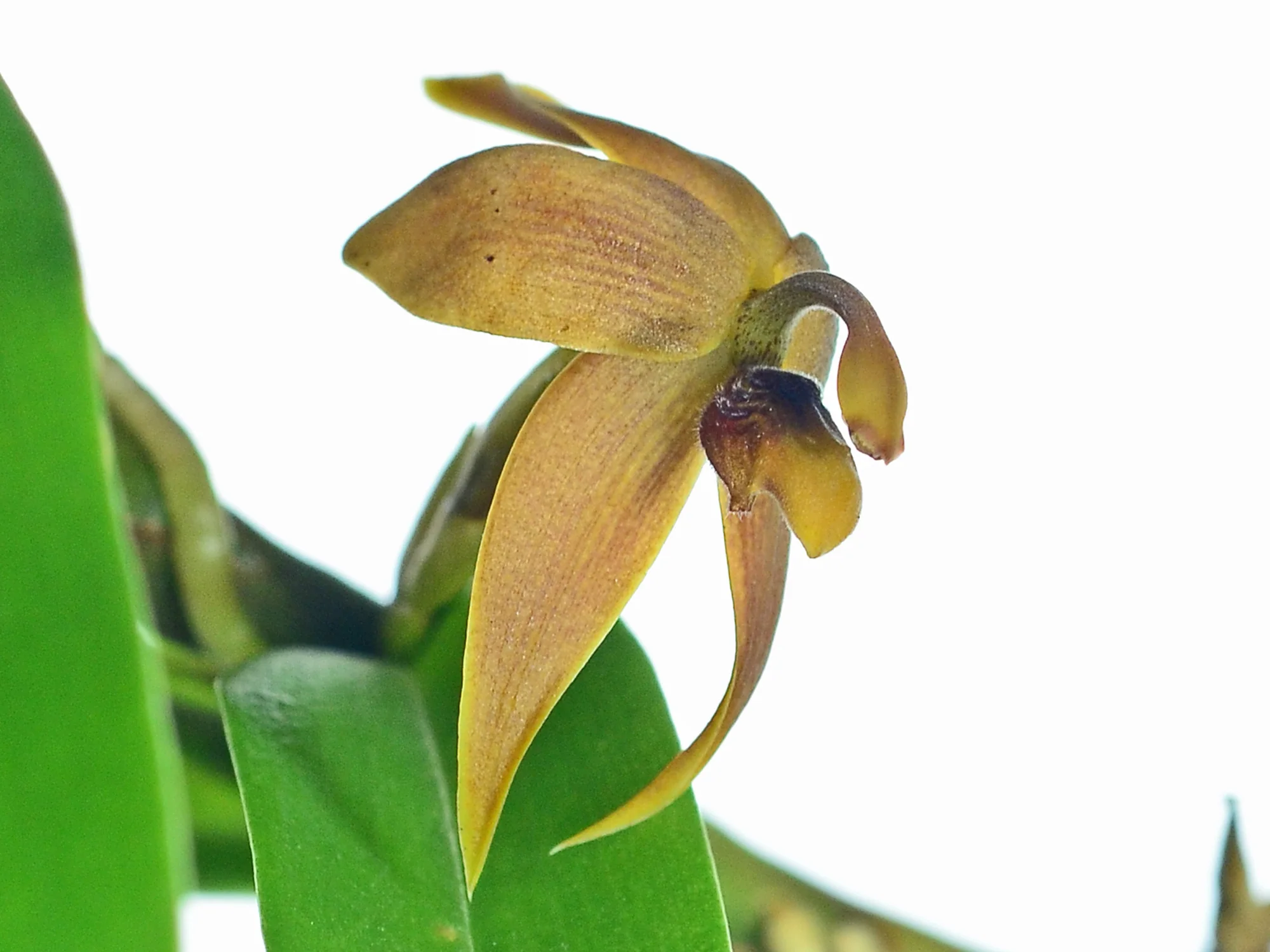
Phragmipedium longifolium
Successful cultivation of Phragmipedium longifolium. Here are some important cultural tips to ensure its thriving growth:
- Light: prefers bright, indirect light. Avoid direct sunlight, which can scorch the leaves.
- Temperature: This orchid enjoys intermediate temperatures. Daytime temperatures should be between 18-24°C (65-75°F), and nighttime temperatures should be between 12-18°C (54-64°F).
- Humidity: thrives in high humidity, around 60-80%. You can achieve this by using humidifiers, misting frequently, or growing it in a humid environment.
- Watering: prefers to be kept consistently moist. Do not allow the potting mix to dry out completely. Ensure proper drainage to prevent root rot.
Additional Notes:
- It is a terrestrial orchid, meaning it naturally grows in the ground.
- Information from available sources, shows that the flowers are very distinctive, and can be found in various colors, and patterns.
- Good water quality is essential. Use rainwater, reverse osmosis water, or distilled water if possible.
$6.90
Original: $23.00
-70%Phragmipedium longifolium—
$23.00
$6.90Product Information
Product Information
Shipping & Returns
Shipping & Returns
Description
Successful cultivation of Phragmipedium longifolium. Here are some important cultural tips to ensure its thriving growth:
- Light: prefers bright, indirect light. Avoid direct sunlight, which can scorch the leaves.
- Temperature: This orchid enjoys intermediate temperatures. Daytime temperatures should be between 18-24°C (65-75°F), and nighttime temperatures should be between 12-18°C (54-64°F).
- Humidity: thrives in high humidity, around 60-80%. You can achieve this by using humidifiers, misting frequently, or growing it in a humid environment.
- Watering: prefers to be kept consistently moist. Do not allow the potting mix to dry out completely. Ensure proper drainage to prevent root rot.
Additional Notes:
- It is a terrestrial orchid, meaning it naturally grows in the ground.
- Information from available sources, shows that the flowers are very distinctive, and can be found in various colors, and patterns.
- Good water quality is essential. Use rainwater, reverse osmosis water, or distilled water if possible.